Cultural & Artisan Trails by Car: Pottery Villages, Weaving Hubs, Traditional Crafts Routes
Best Cultural and Artisan Trails to Explore by Car in India
India’s culture is not confined to monuments; it lives in the hands of artisans who continue centuries-old crafts. While urban markets display their products, the real magic lies in visiting their villages and workshops. Driving through India’s countryside reveals pottery kilns, handlooms, block-print tables, and jewellery workshops where families have preserved their skills for generations.
A cultural and artisan trail by car is one of the best ways to engage with India’s living heritage. With a private driver in India, travellers can access rural areas safely, enjoy flexible stops, and connect with craftsmen directly. These journeys also contribute to sustainable tourism, ensuring artisans earn fair income from visitors who value their work.
Why Choose Cultural & Artisan Road Trips
- Authenticity: You see crafts being made, not just sold.
- Support Local Communities: Purchases directly benefit artisans.
- Educational Value: Children and students learn history through practice.
- Photography & Storytelling: Colorful workshops provide vivid frames.
- Flexibility: A driver takes you to villages that are otherwise hard to reach by public transport.
By combining cultural road trips in India with artisan visits, you create memories that go beyond sightseeing.
Pottery Villages – Clay Stories of India
Khurja (Uttar Pradesh)
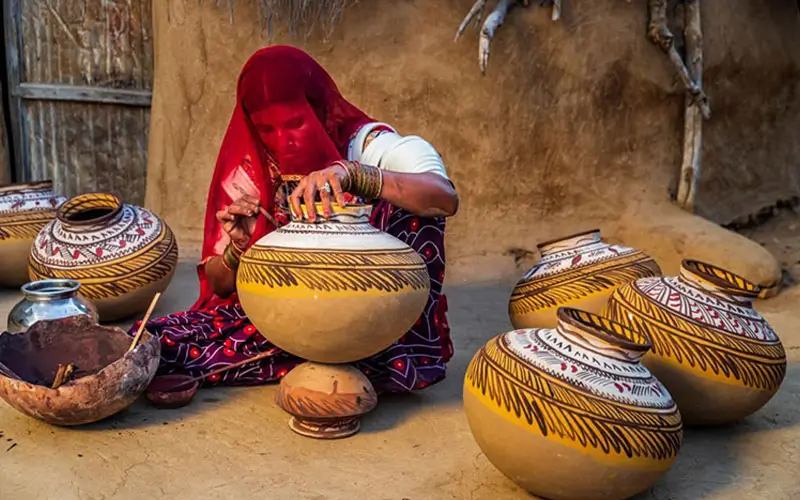
Known as the “ceramics city of India,” Khurja near Delhi produces colorful crockery and tiles. A Delhi to Khurja car trip with driver allows easy access to workshops where artisans demonstrate wheel-throwing and glazing.
Molela Terracotta (Rajasthan)
In this small village near Nathdwara, artisans craft terracotta plaques depicting gods and folk tales. Driving from Udaipur with a local driver makes it easy to combine temple visits with pottery experiences.
Andretta Pottery (Himachal Pradesh)
This Himachali village is an artist’s retreat where traditional and contemporary pottery blend. With a driver, travellers can safely explore winding roads and scenic landscapes while visiting studios.
Weaving Hubs – Threads of Tradition
Varanasi (Uttar Pradesh)
Varanasi is world-famous for Banarasi silk sarees. Visiting handloom clusters in small lanes is easier with a driver who knows where to park and guide you safely. Watching weavers at work on intricate zari patterns is an unforgettable experience.
Kanchipuram (Tamil Nadu)
Known for Kanchipuram silk sarees, this town near Chennai offers weaving demonstrations in family workshops. A Chennai to Kanchipuram road trip with private driver provides both comfort and cultural immersion.
Bhuj & Kutch (Gujarat)
The Kutch region is a living museum of crafts. From Ajrakh block prints to Bandhani tie-dye and handloom weaving, every village has a unique skill. Driving across Kutch with a local driver ensures you visit artisan cooperatives and authentic workshops.
Block Printing & Textile Routes
Sanganer & Bagru (Rajasthan)
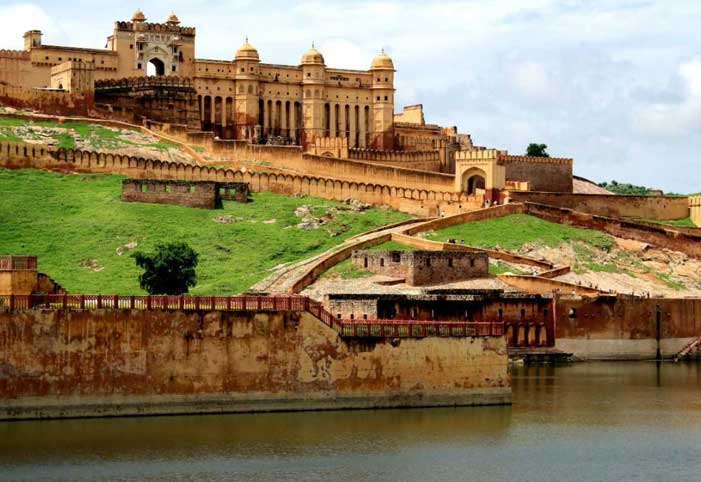
Near Jaipur, these towns are famous for natural-dye block printing. A Jaipur car tour with driver can combine Amber Fort sightseeing with artisan visits in Sanganer or Bagru.
Pochampally (Telangana)
Known for ikat weaving, this town near Hyderabad provides opportunities to see dyeing, warping, and weaving in action.
Chanderi (Madhya Pradesh)
Chanderi sarees are prized for their fine texture. Driving from Bhopal or Gwalior with a driver helps you explore weaving centres tucked away in narrow lanes.
Jewellery & Craft Villages
Jaipur Gemstone Workshops
Jaipur is India’s gem capital. With a driver, you can safely visit traditional gemstone cutting units and silver jewellery workshops without struggling in traffic.
Odisha’s Silver Filigree Work (Cuttack)
Artisans create delicate designs in pure silver. A Bhubaneswar to Cuttack car trip with driver is the most convenient way to experience this unique craft.
Moradabad (Uttar Pradesh)
Called “Peetal Nagri,” Moradabad is renowned for brassware. A road trip here provides firsthand exposure to metalwork workshops.
Festivals & Artisan Fairs on Road Trips
Many cultural fairs bring artisans together, making them perfect stops on artisan road trips in India.
- Surajkund Crafts Mela (Haryana).
- Shilpgram Festival (Udaipur).
- Rann Utsav (Kutch).
With a private driver, families can enjoy these festivals without worrying about parking or navigation.
Why a Private Car and Driver is Essential for Artisan Trails
- Accessibility: Many villages are off highways, requiring local navigation skills.
- Flexibility: You can stop for photography, food, or spontaneous detours.
- Safety: Drivers ensure smooth travel in rural terrain and night journeys.
- Convenience: Parking near crowded fairs or markets is handled by your driver.
A private car and driver in India also allows you to carry fragile crafts safely, unlike buses or trains.
Practical Tips for Artisan Road Trips
- Carry cash, as many villages don’t accept cards.
- Learn a few local phrases to connect with artisans.
- Respect artisans’ time; ask before taking photos.
- Buy directly from workshops to support families.
- Travel light to keep space for craft purchases.