India Road Etiquette for Foreign Travelers – What to Expect on the Highways
Road Etiquette Every Foreign Traveller Should Know in India
Driving across India is not just a way to move between places — it’s a window into the country’s rhythm.
For foreign visitors, the first impression of Indian roads can feel like organized chaos: honking vehicles, bustling intersections, and endless streams of people. Yet, behind this apparent disorder lies a system that locals navigate with instinct and ease.
This guide unpacks everything you should know about India’s road etiquette, explains what makes it different from Western norms, and shows why hiring a private car and driver in India is the smartest and safest way to travel the highways and city lanes.
Understanding India’s Driving Culture
To appreciate the roads of India, you must first understand its driving mindset.
Unlike countries where rules dominate behavior, India’s traffic is guided more by awareness, adaptability, and anticipation. It’s less about right of way and more about fluid cooperation.
In a single lane, you might see a car, a scooter, a camel cart, and a pedestrian — all moving in harmony through unspoken communication.
Honking is not aggression here; it’s a language of safety, used to signal presence rather than frustration.
Foreign travelers often find it overwhelming at first, but once you observe, it begins to make sense.
Every honk, every headlight flash, and every hand gesture has a purpose.
Why Hiring a Private Driver Is Essential for Foreign Visitors
India’s road system varies dramatically — from modern expressways like the Delhi–Agra Yamuna Expressway to narrow lanes in old Jaipur or Varanasi.
For someone unfamiliar with local driving styles, navigating this complexity can be risky.
A private driver brings local experience, language fluency, and calm control in situations where foreign travelers might hesitate.
Drivers understand regional etiquette — when to give way, when to overtake, and when to slow for animals crossing the road.
With a professional driver from India Trip Driver or similar trusted agencies, tourists enjoy comfort and security without having to interpret unpredictable traffic.
Instead of focusing on the wheel, you can focus on the journey — photographing temples, enjoying roadside chai, and observing the fascinating mosaic of India’s daily life.
The Logic Behind the Chaos
India’s roads may appear unstructured, but they operate on unspoken logic:
- Eye Contact Replaces Rules: Drivers often communicate through glances and gestures, yielding to each other’s instincts.
- Flexible Lanes: Lane markings exist, but movement adapts to available space.
- Speed Adjusts to Context: A highway may shift from 100 km/h to 20 km/h within seconds near villages.
- Animals and Pedestrians Coexist: Cows, goats, and even monkeys are natural parts of traffic.
This blend of spontaneity and rhythm keeps the system functioning — provided one respects its flow.
Key Etiquette Rules on Indian Roads
Even as a passenger, it helps to understand these norms so you appreciate your driver’s skill and decisions:
- Honking Is Communication: A short beep means “I’m here.” It prevents blind-spot collisions.
- Overtaking Requires Caution: Drivers flash headlights before overtaking, waiting for space.
- Left-Hand Traffic: India follows left-hand driving, opposite to the U.S. and Europe.
- No Sudden Brakes: Smooth driving ensures safety among mixed vehicle types.
- Respect for Pedestrians and Animals: Drivers slow down instinctively near crossings or livestock.
- Local Courtesy: Drivers often wave a hand to thank or let another pass — small gestures matter.
These unspoken codes make India’s roads surprisingly efficient when respected.
How Private Drivers Manage India’s Diverse Terrain
A single road trip in India can include city congestion, expressways, hilly switchbacks, and rural dust roads — sometimes all in one day.
A trained private driver knows how to adapt across terrains:
- City Driving: Navigating markets, rickshaws, and unpredictable signals.
- Highways: Maintaining safe distance and anticipating sudden merges.
- Hill Roads: Managing steep curves and downhill braking.
- Village Roads: Negotiating narrow paths where vehicles share space with people and animals.
Experienced drivers blend intuition with discipline, ensuring safety while maintaining schedule.
They know when to stop for fuel, clean restrooms, or authentic local meals — essential insights for foreign tourists.
Traffic Conditions Foreign Travelers Should Expect
India’s roads range from ultra-modern to historically charming (and occasionally chaotic).
Here’s what travelers often encounter:
- Delhi and Northern Highways: Broad, fast, and increasingly modern, especially on Golden Triangle routes.
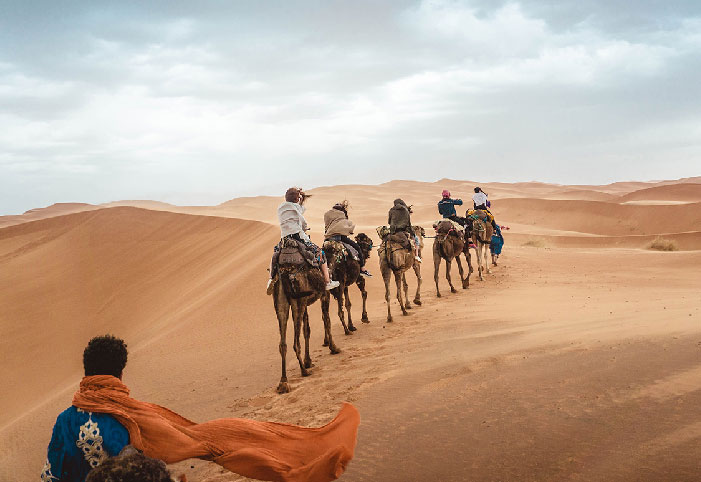
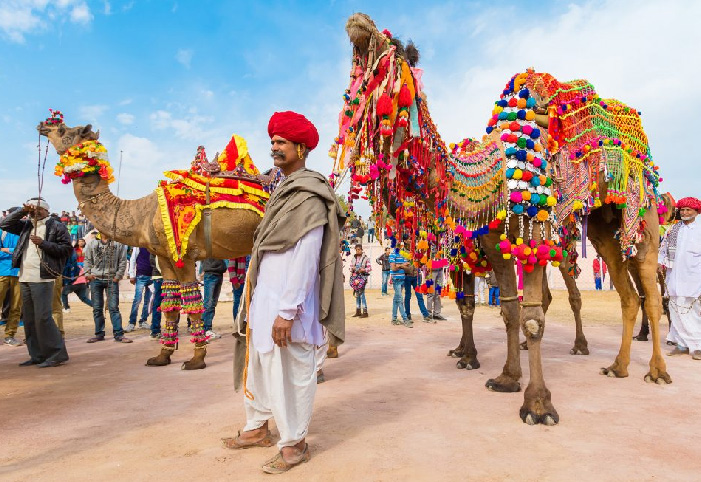
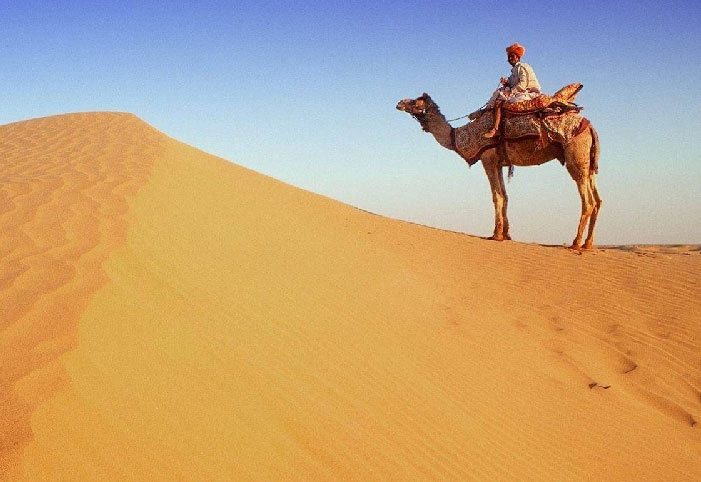
- Rajasthan Roads: Scenic with desert stretches and ancient towns — occasional camel carts and village crossings.
- Himalayan Roads: Narrow, winding, and breathtakingly beautiful — ideal for drivers with mountain experience.
- South India Routes: Lush greenery, well-marked roads, but occasional livestock and slower local pace.
Knowing what to expect helps set realistic timelines.
For instance, a 200 km journey may take four hours in Rajasthan but six in Kerala due to winding roads.
The Art of Defensive Driving in India
Professional Indian drivers rely on anticipation rather than aggression.
They read behavior — not just signals. They can predict when a motorbike will swerve or when a pedestrian might cross suddenly.
Defensive driving means maintaining composure, avoiding unnecessary risks, and letting intuition guide decisions.
This instinct comes from years on the road — something foreign visitors can rarely replicate in a short trip.
That’s why even seasoned global travelers prefer hiring a driver in India over self-driving.
Etiquette Between Drivers and Passengers
Politeness goes both ways. While your driver handles the road, you can maintain harmony through simple gestures:
- Greet your driver with a smile or handshake.
- Be patient during slow traffic — it’s normal in most Indian cities.
- Avoid giving sudden route changes without checking feasibility.
- Always acknowledge your driver’s effort with fair tipping or kind words.
These small acts create mutual respect and make the trip more enjoyable for both.
Honking – India’s Unique Traffic Language
For foreigners, constant honking may sound chaotic, but in India, it’s a functional tool.
Drivers honk to announce their position, alert slower vehicles, or indicate overtaking.
Unlike in the West, it isn’t considered rude.
A gentle honk means “I’m passing.” Two quick beeps say “Thank you.”
Heavy honking, however, is avoided in quiet or residential areas.
Understanding this nuance helps travelers appreciate how communication keeps Indian roads flowing — not fighting.
Safety Standards to Expect from a Professional Driver
When booking with reputable companies like India Trip Driver, travelers can expect:
- Licensed, English-speaking drivers with verified experience.
- Air-conditioned, well-maintained cars with seat belts for all passengers.
- Defensive driving discipline and awareness of tourist comfort.
- Navigation assistance using GPS and offline route knowledge.
- Rest stops and clean restaurants chosen for hygiene and safety.
Every detail contributes to peace of mind — from punctual airport pickups to smooth long drives between cities.
The Role of Patience in Indian Driving
India’s roads teach one universal lesson: patience.
Traffic jams, herds crossing highways, and unpredictable weather are part of the experience.
Drivers manage these delays calmly, understanding that honking or arguing achieves nothing.
For travelers, embracing the same attitude turns minor inconveniences into stories worth remembering.
A temporary stop may lead to tea with locals, a street market visit, or a spontaneous photo opportunity — moments that define India’s magic.
How Distance Works Differently in India
Google Maps might say “200 km, 3 hours,” but Indian roads often defy digital estimates.
Local conditions — weddings, festivals, or processions — can affect timing.
Professional drivers account for these variations automatically. They leave early, plan detours, and maintain buffer time.
This built-in flexibility is what makes driver-guided India tours efficient despite unpredictable road culture.
Night Driving and Highway Safety
Most reliable travel operators avoid long night drives in India, especially for tourists.
Visibility, unpredictable local vehicles, and animal crossings make late hours less ideal.
Your driver may suggest early morning departures instead — a safer and more scenic choice.
Trust their local wisdom; they know when highways are calm and when traffic peaks.
How Foreigners Can Engage Safely on the Road
Even as a passenger, you can engage respectfully in road culture:
- Wave to children or locals from your window — smiles are universal.
- Let your driver handle horn communication and overtaking.
- Ask about local customs and road signs; drivers love sharing insights.
- Avoid photographing traffic police or accident scenes.
Participation through curiosity, not interference, ensures cultural sensitivity and safety.
Regional Driving Differences Across India
Each region brings its own rhythm:
- North India: Fast highways and confident driving styles.
- Rajasthan: Calm but watchful; occasional herds and desert winds.
- South India: Courteous traffic; more lane discipline on state highways.
- East India: Busy urban roads; patient navigation essential.
- Hill States: Cautious driving with respect for sharp curves and limited visibility.
Professional drivers adapt seamlessly — switching techniques based on terrain, vehicle density, and weather.
Why Private Drivers Are Safer Than Self-Driving Rentals
India’s diverse road users, unpredictable signage, and occasional informal rules make self-driving difficult for foreigners.
A private driver handles it all while ensuring compliance with regional laws.
Additionally, foreign licenses often require an International Driving Permit (IDP) and local car insurance, which complicates the process.
Hiring a driver simplifies everything — one flat rate covers vehicle, fuel, tolls, and navigation.
With this arrangement, you enjoy flexibility without stress, and every journey becomes a story rather than a challenge.
How Drivers Handle Emergencies
Trained chauffeurs know how to react if your car breaks down, weather changes suddenly, or unexpected road closures occur.
They maintain calm, contact local mechanics, or reroute instantly.
Most carry spare tools, first-aid kits, and roadside assistance contacts.
Tour companies ensure that backup vehicles are available if necessary.
So even in rural zones, your journey continues with minimal delay — a reassurance no rental GPS can provide.
Traveling with Comfort on Indian Roads
Comfort is key on long drives.
Private cars come with bottled water, clean air-conditioning, and flexible rest stops.
Drivers plan tea breaks every few hours and choose scenic viewpoints or safe cafés for lunch.
Guests can stretch, refresh, and photograph landscapes — transforming even long rides into leisurely journeys.
How Road Travel Enhances Your India Experience
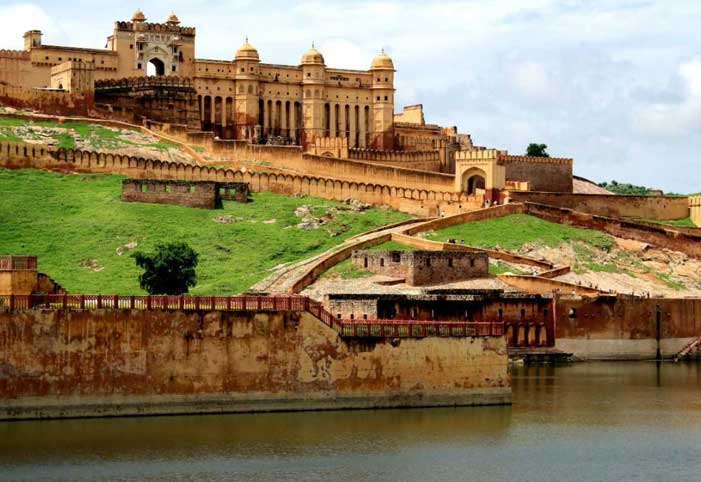
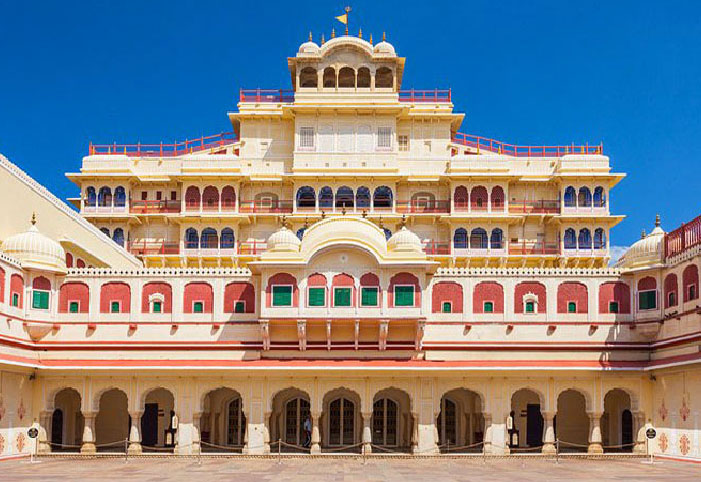
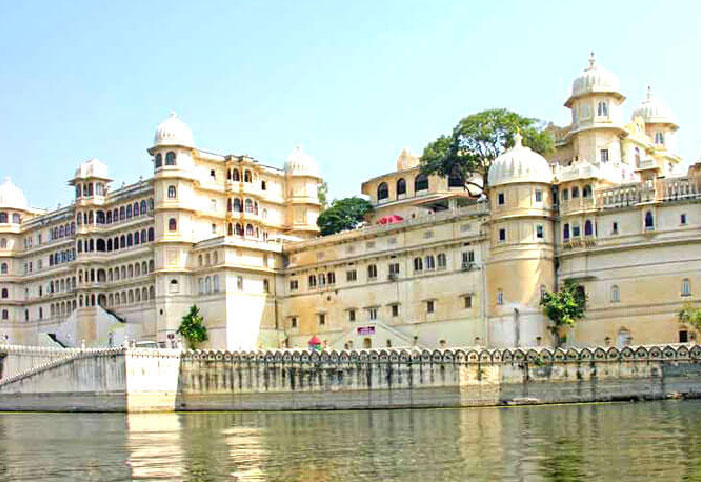
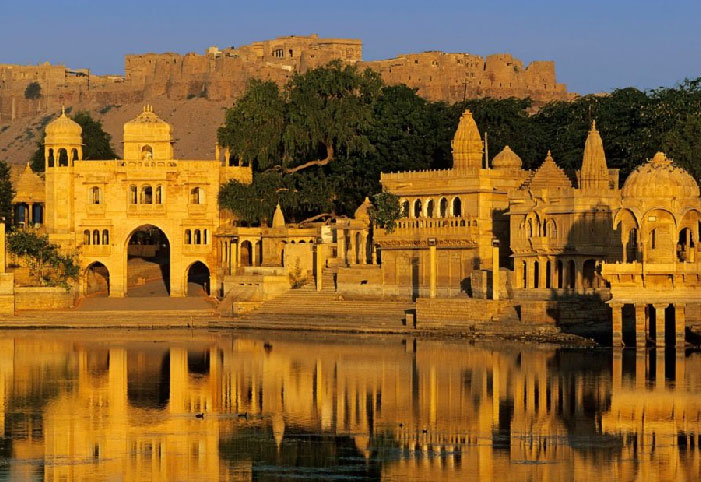
Roads connect not just destinations but emotions — from Delhi’s historical streets to Rajasthan’s royal forts and Kerala’s palm-lined backwaters.
Each drive unfolds countless scenes: women in colorful saris carrying water pots, roadside vendors selling fruit, children waving from bicycles.
The joy of a private car tour in India is this spontaneity — the freedom to stop wherever your heart feels drawn.
Your driver becomes your bridge to local life, translating culture beyond guidebooks.
Final Reflection: The Beauty Behind the Noise
India’s roads may challenge logic, but they reward curiosity.
Beneath the surface chaos lies harmony — a living metaphor for the country itself: unpredictable, diverse, yet deeply connected.
By trusting your driver, observing respectfully, and embracing the rhythm, you’ll see India not as a destination, but as a journey unfolding one road at a time.