Tribes of Rajasthan: Major Tribal Communities, Culture, Traditions & Travel Guide (2026)
Tribes of Rajasthan: A Complete Guide to Rajasthan's Tribal Communities, Culture & Traditions
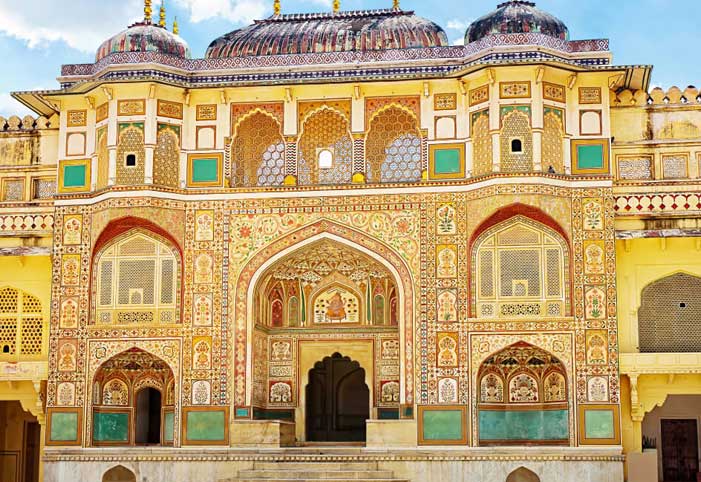
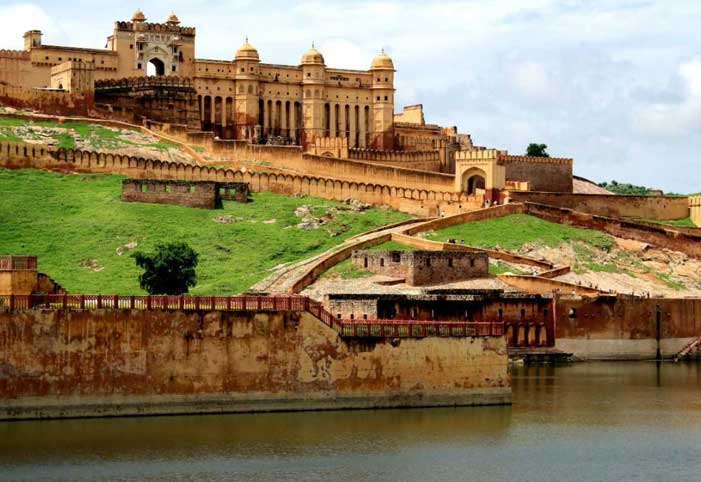
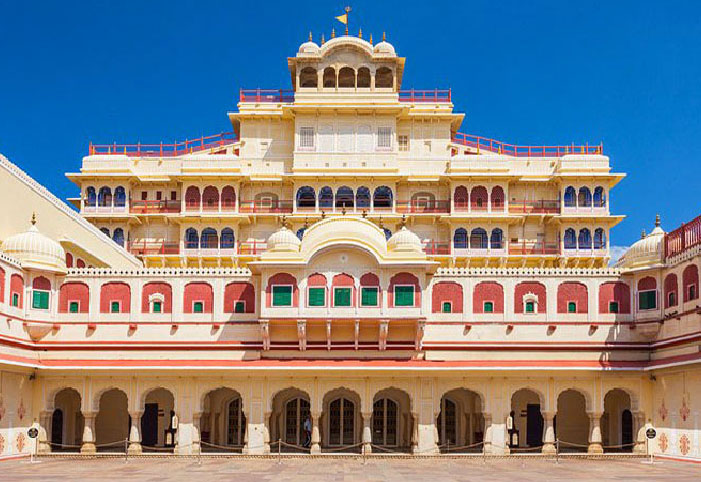
Rajasthan is famous for its magnificent forts, royal palaces and colourful festivals, but another equally fascinating part of the state is its tribal heritage. Several indigenous communities have lived in Rajasthan's forests, hills and rural regions for centuries, preserving traditions, languages, crafts and customs that remain an important part of the state's cultural identity today.
Most tribal communities are concentrated in southern and southeastern Rajasthan, particularly around Udaipur, Dungarpur, Banswara, Pratapgarh, Sirohi and parts of Chittorgarh. These communities continue to celebrate traditional festivals, create handmade crafts and follow lifestyles closely connected with nature. Rajasthan officially recognizes several Scheduled Tribes, with the Bhil community being one of the largest tribal groups in the state.
Whether you're interested in culture, photography or authentic village experiences, visiting Rajasthan's tribal regions offers a completely different perspective from the state's well-known royal heritage.
Major Tribes of Rajasthan
1. Bhil Tribe
The Bhil Tribe is the largest and one of the oldest tribal communities in Rajasthan. Historians believe the Bhils have lived in the forests and hills of western and central India for thousands of years. In Rajasthan, they are mainly found in Banswara, Dungarpur, Udaipur, Pratapgarh and Chittorgarh districts. Their close connection with forests and natural resources has shaped their traditions, occupations and way of life.
Agriculture remains the primary source of income for most Bhil families, although many also depend on livestock, forest produce and seasonal work. Traditionally, Bhils were known as skilled archers and hunters, and archery continues to hold cultural importance during festivals and celebrations.
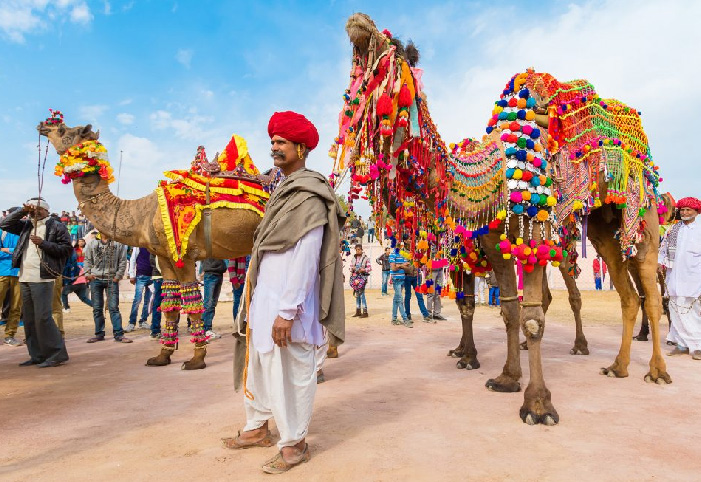
The Bhil community is famous for its colourful festivals, energetic folk dances and traditional music performed using drums and local musical instruments. During celebrations such as the Baneshwar Fair and Gavri Festival, visitors can witness vibrant cultural performances that showcase the community's heritage.
Women wear brightly coloured ghagras with heavy silver jewellery, while men traditionally wear turbans, dhotis and simple cotton garments. Bhil artisans also create bamboo products, handmade tools and decorative items that reflect generations of craftsmanship.
Today, the Bhil community continues to preserve its traditions while also participating in education, tourism and rural development, making it one of Rajasthan's most culturally significant tribal groups.
The Bhils are the largest tribal community in Rajasthan and among the oldest indigenous groups in India. They mainly live in:
- Udaipur
- Dungarpur
- Banswara
- Pratapgarh
- Chittorgarh
Highlights
- Traditional archery skills
- Colourful folk dances
- Nature-based lifestyle
- Bamboo handicrafts
- Traditional wall paintings
Visitors often experience Bhil culture during local fairs and village festivals where traditional music and dance performances take place.
2. Garasia Tribe
The Garasia Tribe mainly lives in the Aravalli hill region covering Udaipur, Sirohi, Pali and nearby districts. The Garasias are known for preserving many traditional customs that have remained unchanged for generations, giving visitors an authentic glimpse into Rajasthan's tribal lifestyle.
Agriculture and animal husbandry form the backbone of the Garasia economy. Families cultivate crops according to seasonal rainfall while maintaining a close relationship with nature. Their villages are usually surrounded by hills, forests and open farmland, creating beautiful rural landscapes.
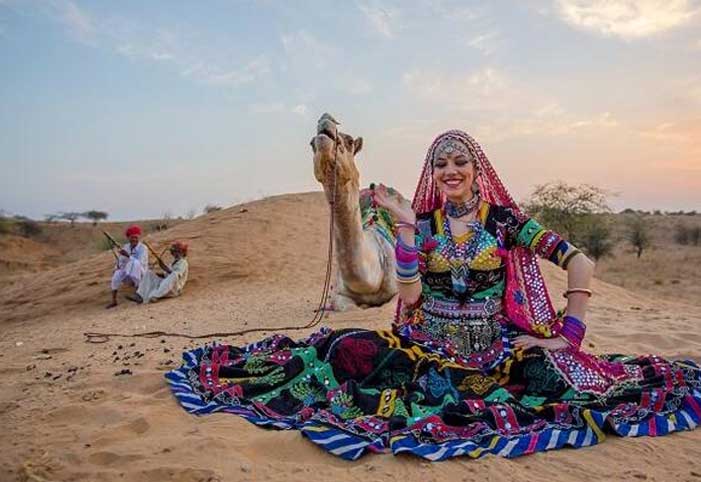
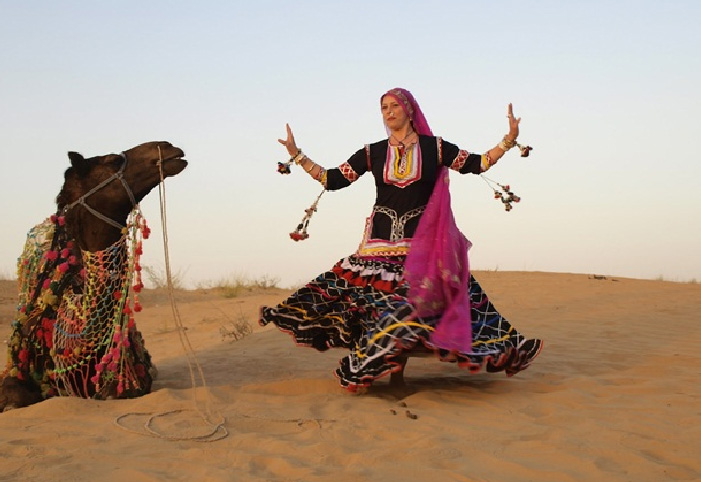
One of the most distinctive aspects of the Garasia community is its traditional dress. Women wear colourful embroidered ghagras, beautifully decorated blouses and heavy silver ornaments, while men are recognized by their vibrant turbans and simple traditional clothing. Their jewellery, embroidery and handcrafted accessories showcase exceptional artistic skills.
The Garasia people celebrate weddings, harvest festivals and local fairs with lively music and folk dances. Traditional songs often tell stories about family life, farming and local legends that have been passed from one generation to another.
Despite modernization, the Garasia community continues to preserve its language, customs and cultural identity, making their villages popular destinations for travellers interested in rural and cultural tourism.
The Garasia tribe primarily lives in the Aravalli hills around:
- Sirohi
- Udaipur
- Pali
The Garasias are well known for:
- Bright traditional clothing
- Silver jewellery
- Folk music
- Marriage customs
- Agricultural lifestyle
Their villages provide one of the most authentic rural experiences in Rajasthan.
3. Meena Tribe
The Meena Tribe is one of Rajasthan's largest Scheduled Tribe communities and has a long historical association with eastern Rajasthan. The community is widely distributed across Jaipur, Dausa, Karauli, Sawai Madhopur, Tonk and neighbouring districts.
Unlike many forest-based tribes, a large section of the Meena community has traditionally been engaged in agriculture and village administration. Over time, the community has made significant progress in education, government services, business and public administration while continuing to preserve its cultural traditions.
Traditional Meena households celebrate festivals such as Holi, Diwali and local religious fairs with enthusiasm. Folk music, community gatherings and traditional dances remain an important part of social life. Women wear colourful Rajasthani attire decorated with traditional jewellery, while men commonly wear dhotis and colourful turbans.
The Meena community also follows unique social customs and maintains strong family relationships. Weddings and religious ceremonies often include traditional rituals that have been practiced for centuries.
Today, the Meena Tribe represents a successful blend of cultural preservation and modern development, contributing significantly to Rajasthan's economy, education and social progress.
The Meena community is one of Rajasthan's largest Scheduled Tribes and mainly lives around:
- Jaipur region
- Sawai Madhopur
- Dausa
- Karauli
- Tonk
The community has a long historical connection with eastern Rajasthan and today contributes significantly to agriculture, education, administration and local governance.
4. Sahariya Tribe
The Sahariya Tribe is one of Rajasthan's most distinctive tribal communities and is primarily found in the forest regions of Baran, Kota and Jhalawar districts. The Sahariyas have traditionally depended on forests for food, medicine and livelihood, giving them extensive knowledge of local plants and natural resources.
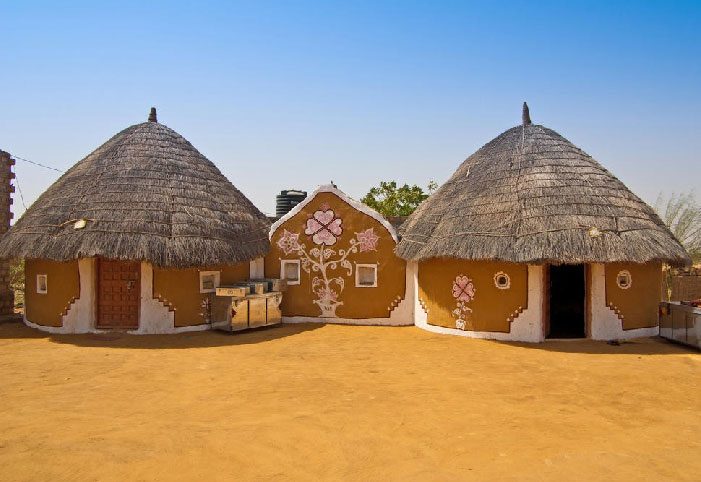
Many Sahariya families continue to engage in agriculture, forest-based work and daily wage employment. Their traditional lifestyle reflects a deep respect for nature and sustainable use of forest resources. Mud houses with simple construction are commonly found in Sahariya settlements.
The community celebrates various local festivals with traditional music, dance and religious ceremonies. Folk songs often describe nature, farming and everyday village life. Traditional healers within the community are also known for their knowledge of herbal medicine passed down through generations.
Women wear colourful sarees and silver ornaments, while men usually dress in simple cotton garments suitable for the local climate. Handcrafted household items and bamboo products are also produced in some villages.
Although the community has faced economic and social challenges, various government welfare and development programmes have helped improve access to education, healthcare and employment opportunities while supporting the preservation of their cultural heritage.
The Sahariya tribe is primarily found in:
- Baran
- Kota
- Jhalawar
Traditionally dependent on forests, the Sahariya community has unique customs, folklore and traditional medicinal knowledge.
Their settlements are generally located close to forest regions where they have lived for generations.
5. Damor Tribe
The Damor Tribe is mainly concentrated in the southern districts of Dungarpur and Banswara, close to the Gujarat border. The community shares several cultural similarities with neighbouring tribal groups while maintaining its own distinct traditions, customs and social practices.
Agriculture is the primary occupation, with families cultivating crops such as maize, wheat and pulses depending on seasonal rainfall. Animal husbandry also contributes to household income, and many families participate in local markets where agricultural products and handmade goods are sold.
Traditional festivals are celebrated with enthusiasm through folk music, dancing and community gatherings. Colourful clothing, handmade jewellery and embroidered garments are important parts of Damor cultural identity. Wedding ceremonies include traditional rituals, music and dance performances that strengthen community bonds.
Many Damor villages continue to preserve their traditional lifestyle while gradually adopting modern education and improved infrastructure. Visitors interested in rural Rajasthan often appreciate the warm hospitality and simple lifestyle of the community.
As tourism grows in southern Rajasthan, the Damor Tribe offers travellers an opportunity to experience authentic village life, traditional farming practices and indigenous cultural heritage.
The Damor tribe mainly lives in:
- Dungarpur
- Banswara
The community is known for:
- Farming
- Traditional music
- Colourful festivals
- Local handicrafts
6. Kathodi Tribe
The Kathodi Tribe is one of Rajasthan's smaller tribal communities and is mainly found in the forested areas of Udaipur and Sirohi districts near the Aravalli Hills. Historically, the Kathodis were closely associated with forest-based occupations, including the collection of forest produce and the preparation of catechu (katha), from which the community is believed to have derived its name.
Life in Kathodi villages has traditionally revolved around forests, with families depending on natural resources for food, fuel and livelihood. Over the years, agriculture and daily wage labour have also become important sources of income.
The community follows simple traditions that emphasize cooperation, respect for elders and harmony with nature. Festivals and social gatherings are celebrated with folk music, traditional dances and locally prepared food. Their customs reflect centuries of adaptation to the forest environment.
Traditional clothing is practical yet colourful, especially during festivals and weddings when people wear handmade ornaments and festive attire. Local handicrafts, bamboo products and simple household items demonstrate the community's traditional skills.
Kathodi communities inhabit forest regions around:
- Udaipur
- Sirohi
Historically they were associated with forest-based occupations and continue to preserve several traditional practices despite changing lifestyles.
Traditional Lifestyle of Rajasthan's Tribal Communities
Although every tribe has its own customs, several characteristics are commonly seen:
- Agriculture remains the primary occupation.
- Forest resources continue to support livelihoods.
- Families live in traditional mud houses.
- Local dialects are widely spoken.
- Community celebrations play an important social role.
- Folk music and dance remain part of everyday life.
Traditional Dress
Rajasthan's tribal attire is colourful and practical.
Men
- Colourful turbans
- Cotton dhoti
- Angarkha
- Handmade ornaments
Women
- Bright ghagras
- Embroidered blouses
- Heavy silver jewellery
- Glass bangles
- Traditional nose rings
The vibrant clothing reflects Rajasthan's rich artistic heritage and varies by region.
Tribal Art & Handicrafts
Many tribal communities continue producing handmade products using traditional techniques.
Popular crafts include:
- Bamboo work
- Wooden handicrafts
- Bead jewellery
- Tribal paintings
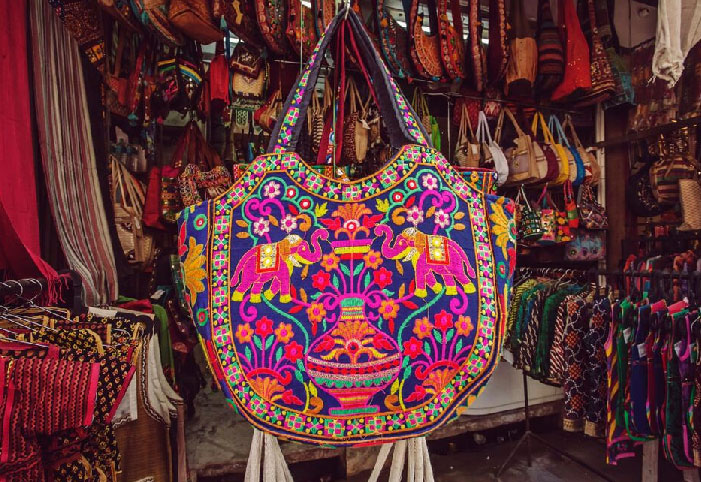
- Embroidery
- Handwoven textiles
- Natural fibre products
Purchasing these crafts directly from local artisans supports sustainable tourism.
Tribal Music & Dance
Music is central to tribal celebrations.
Popular performances include:
- Gair Dance
- Gavri Dance
- Traditional Bhil Dance
- Drum performances
- Folk singing
These performances are commonly seen during village festivals and cultural fairs.
Important Tribal Festivals
Several festivals celebrate tribal traditions throughout the year.
Popular celebrations include:
- Baneshwar Fair
- Gavri Festival
- Holi celebrations
- Bhagoria traditions (near tribal belt)
- Local harvest festivals
These festivals feature music, dancing, traditional food and community gatherings.
Traditional Food
Tribal cuisine is simple, nutritious and based on locally available ingredients.
Common foods include:
- Maize roti
- Bajra roti
- Wild vegetables
- Lentils
- Forest fruits
- Chutneys
- Local herbs
Many recipes have been passed down for generations.
Best Places to Experience Tribal Culture
Some of the best destinations include:
|
Destination |
Famous For |
| Banswara | Bhil Tribal Villages & Traditional Culture |
| Dungarpur | Bhil Heritage & Tribal Traditions |
| Udaipur Countryside | Garasia Tribal Communities |
| Pratapgarh | Colorful Tribal Festivals & Handicrafts |
| Sirohi | Aravalli Tribal Villages & Nature |
| Baran | Sahariya Tribal Settlements |
Responsible Tribal Tourism
When visiting tribal villages:
- Always ask before taking photographs.
- Respect local customs.
- Dress modestly.
- Buy directly from local artisans.
- Avoid disturbing religious ceremonies.
- Hire local guides whenever possible.
Responsible tourism helps preserve Rajasthan's tribal heritage while supporting local livelihoods.
Best Time to Visit Tribal Areas
The ideal time is:
October to March
The weather remains pleasant, making village visits, photography and cultural experiences much more comfortable.
Why Tribal Tourism is Growing in Rajasthan
Modern travellers increasingly seek authentic cultural experiences beyond forts and palaces. Tribal tourism allows visitors to interact with local communities, learn traditional crafts, attend village festivals and understand Rajasthan's diverse cultural heritage. State tourism initiatives also promote rural and tribal experiences as part of sustainable tourism development.