Tipping in India: 2026 Guide for Foreign Tourists
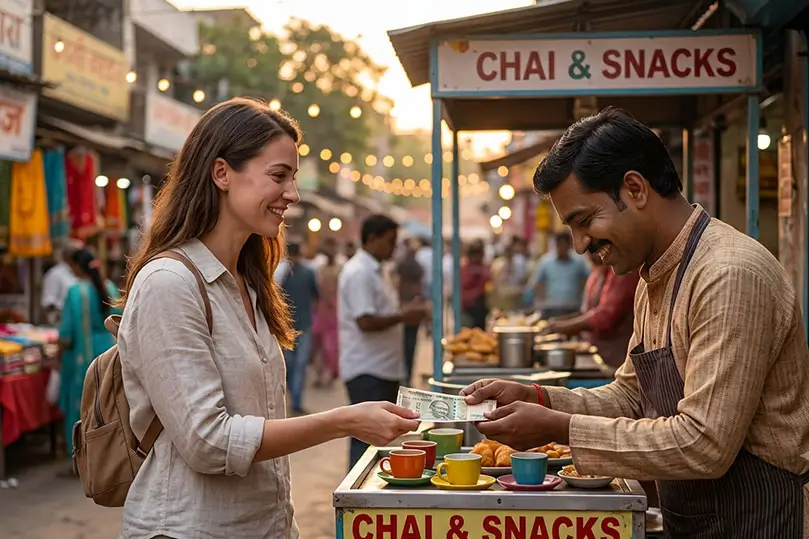
How Much to Tip in India: A Complete Tipping Guide for Foreign Tourists
Tipping in India can be confusing for first-time visitors.
Should you tip your private driver every day or at the end of the tour? How much should you give a local guide? Is an additional tip necessary when a restaurant has already added a service charge? Should hotel housekeeping be tipped daily? Can you tip through UPI, or is cash better?
The simple answer is that tipping in India is generally optional, but it is appreciated when someone provides good, attentive or personalised service.
Unlike countries where a fixed percentage is expected in almost every service situation, India does not have one universal tipping rule. The appropriate amount depends on the type of service, duration, location, group size and quality of assistance.
This practical guide explains how much to tip private drivers, local guides, hotel staff, restaurant servers, porters, spa therapists and other travel-service professionals in India.
Quick Answer: How Much Should You Tip in India?
|
Service |
Suggested Tip |
| Private Driver on a Multi-day Tour | ₹600–₹1,000 per Day, per Vehicle |
| Full-day Private Driver | ₹400–₹700 per Vehicle |
| Short Transfer | ₹100–₹300 |
| Half-day Local Guide | ₹400–₹600 per Group |
| Full-day Local Guide | ₹700–₹1,000 per Group |
| Hotel Porter | ₹50–₹100 for Light Luggage; More for Several Heavy Bags |
| Hotel Housekeeping | ₹100–₹300 per Room, per Night |
| Hotel Concierge | ₹200–₹500 for Substantial Assistance |
| Restaurant Server | 5–10% When No Service Charge Is Included |
| Food-delivery Rider | ₹20–₹50 |
| Spa Therapist | Around 10% for Good Service |
| Safari Driver | ₹300–₹500 per Safari |
| Safari Naturalist or Guide | ₹500–₹1,000 per Safari |
| Airport or Railway Porter | Agree on the Price First; Add a Tip Only for Helpful Service |
These amounts reflect mid-range generosity. Adjust slightly higher in luxury settings or for exceptional care.
Is Tipping Expected in India?
Many first-time visitors to India wonder whether tipping is expected. Unlike some countries where service charges are mandatory, tipping in India is generally voluntary but widely appreciated for good service.
In hotels, restaurants, guided tours, and private transportation, tipping is considered a gesture of appreciation rather than an obligation. However, the expected amount varies depending on the service, destination, and level of hospitality.
Understanding local tipping etiquette helps travellers avoid awkward situations while ensuring they reward good service appropriately.
Why Tipping Matters in India
India’s hospitality runs deep - a guest is traditionally seen as “Atithi Devo Bhava”, meaning “Guest is God.”
While service charges may appear on bills in hotels or restaurants, personal tipping remains a token of appreciation for the human effort behind every smile, smooth drive, or clean room.
For workers like private drivers and local guides, tips reflect acknowledgment more than obligation. They often spend long days ensuring safety, comfort, and smooth logistics across long distances.
When done right, tipping not only rewards professionalism but also fosters trust and warmth - the foundation of authentic Indian hospitality.
General Overview – Who Should Receive Tips
During your India tour by private car and driver, you’ll interact with several service professionals. Each plays a distinct role in shaping your experience. Here’s who commonly receives tips in the tourism ecosystem:
- Private Drivers – Manage long drives, safety, and navigation.
- Local Guides – Offer city tours, historical context, and personalized insights.
- Hotel Staff – Include porters, housekeeping, receptionists, and concierge.
- Restaurant Waiters – Serve meals and manage tables, often beyond their shift hours.
- Airport Porters and Train Attendants – Handle luggage at terminals.
While tipping isn’t legally required, it’s considered good manners when the service goes beyond basic expectations.
Tipping Private Drivers in India
Your private driver often becomes your closest companion on the road. From early morning pickups to helping find local food, they play multiple roles - chauffeur, translator, and sometimes even unofficial guide.
Because most driver-guided tours in India operate on modest daily rates, a reasonable tip at the end of the trip is a genuine reward for days of care and effort.
Suggested Tip for Drivers:
For short day tours (Delhi sightseeing, Jaipur day trip, Agra Taj Mahal visit): ₹400–₹700 (≈ $5–$8) per day.
For multi-day private car tours like the Golden Triangle or Rajasthan circuit: ₹600–₹1,000 (≈ $7–$12) per day, depending on comfort and service quality.
Always hand the tip personally at the end of the journey with a warm thank-you - it leaves a positive memory for both sides.
Tipping Local Guides
In India’s heritage cities, your local guide transforms monuments into living stories. These licensed professionals often freelance and rely heavily on gratuities.
A standard sightseeing tour usually lasts half a day (3–4 hours) or full day (6–8 hours).
Suggested Tip for Guides:
- ₹400–₹600 (≈ $5–$7) for a half-day tour.
- ₹700–₹1,000 (≈ $8–$12) for a full-day private guided tour.
For specialized experiences like photography walks, wildlife safaris, or temple rituals, a slightly higher tip is appreciated.
Avoid tipping in coins or foreign currency; local cash (Indian rupees) is the most convenient and respectful way.
Tipping Hotel Staff in India
Hotels in India, from boutique havelis to five-star chains, are known for attentive service. But tipping habits vary depending on the property type.
In 3-star and 4-star hotels:
- Bellboy/Porter: ₹100–₹200 per bag
- Housekeeping: ₹200–₹300 per night (leave in an envelope labeled “Housekeeping”)
- Concierge/Reception assistance: ₹300–₹500 for special arrangements (restaurant bookings, car rentals, etc.)
In luxury 5-star hotels:
- Service charges (around 10%) are often included in bills, yet personal tips are still appreciated for exceptional attention.
- A discreet ₹500–₹1,000 for a week-long stay goes a long way in building goodwill.
Always tip discreetly - Indians value humility, and excessive display of money can make staff uncomfortable.
How Much to Tip at Restaurants in India
Restaurant tipping depends mainly on the style of service and whether a service charge has already been included.
Restaurant With Table Service
When no service charge appears on the bill:
5–10% is a practical voluntary range for good service.
Example:
- Restaurant bill: ₹3,000
- Possible 5% tip: ₹150
- Possible 10% tip: ₹300
Restaurant With a Service Charge
When a service charge is already included:
No additional tip is automatically necessary.
You may still leave a small amount for an individual server when the service was exceptional.
Roadside Dhaba or Casual Eatery
At a small local eatery, you may:
- Round up the bill
- Leave ₹20–₹100
- Choose not to tip for counter service
Café With Counter Service
A tip is generally not expected when you order and collect the food yourself.
A small tip jar contribution is optional.
Fine-Dining Restaurant
Check the bill first.
When no service charge is included, use the same 5–10% guideline rather than combining a percentage with an additional fixed amount.
Food Delivery
For prompt or difficult delivery:
₹20–₹50
You may consider more during:
- Heavy rain
- Difficult building access
- A long wait
- A large order
- Late-night delivery
Cash Tip or Card Tip at a Restaurant?
Some restaurants allow customers to enter a tip on the card terminal.
Before doing so, ask whether the amount will be distributed to the service staff.
Cash can be more direct, but it is not compulsory. The best method is the one that is convenient, transparent and acceptable to the establishment.
Tipping Porters at Airports and Railway Stations
Porter services require extra care because the service fee and voluntary tip are not the same thing.
Before handing over your luggage:
- Confirm the person’s role
- Agree on the price
- Clarify how many bags are included
- Confirm the destination
- Keep valuable items with you
The agreed amount is payment for the service. Any additional tip comes afterward.
Suggested Additional Tip
- One or two bags: ₹50–₹100 for particularly helpful service
- Several heavy bags: ₹100–₹200
- Extra assistance for an elderly or disabled traveller: use your judgement according to the help provided
Do not hand passports, wallets, phones or expensive items to an unknown helper.
At railway stations, prices and arrangements can vary. Confirm the amount before the porter starts moving the luggage.
How Much to Tip at a Spa or Wellness Centre
Tipping at a spa is optional.
First check whether:
- A service charge is included
- The establishment accepts direct tips
- Tips are shared among the staff
- The therapist is permitted to accept money
For good service:
Around 10% is a reasonable voluntary guide.
You may give the amount directly to the therapist or ask the reception desk how gratuities are handled.
At medical, institutional or therapeutic centres, follow the establishment’s policy rather than assuming that a tip is expected.
When Not to Tip
There are moments when tipping is unnecessary or even discouraged:
- Government offices, museums, or temples - tipping attendants or guards is not appropriate.
- Prepaid taxis or app-based rides (Uber/Ola) - rounding up the fare is enough.
- Fixed-price shops and emporiums - tipping the salesperson is uncommon.
When in doubt, your driver or hotel concierge can advise on suitable tipping etiquette for any specific situation.
How to Hand Over a Tip Politely
Presentation matters. In India, tips are ideally given discreetly, with the right hand, along with a smile or short thank-you. Avoid leaving tips on tables unattended or offering money in public view.
If tipping a team of service staff, such as multiple drivers or housekeeping teams, it’s best to hand the total amount to the team leader or front desk with a note of appreciation for everyone.
Cultural Insight – Why Small Gestures Matter
Unlike western countries where tipping is standardized, India’s tipping culture is built on emotion and gratitude. A small, sincere gesture can make a big impact.
Many service workers travel from distant villages to earn a living in tourism. Your kindness often supports not just one person but entire families back home.
A thank-you note, a simple handshake, or a mention of your driver or guide in an online review adds immense value beyond money.
Common Mistakes Tourists Make
Even well-intentioned travelers can unintentionally offend by tipping incorrectly. Here are some mistakes to avoid:
- Overtipping immediately: Handing money before service may be misinterpreted as impatience. Wait until completion.
- Tipping with foreign currency: Small denominations of euros or dollars are difficult to exchange in villages. Always tip in Indian rupees.
- Leaving coins: Coins are considered less thoughtful; paper currency feels more respectful.
- Not tipping multi-day drivers properly: A driver who accompanies you for 7–10 days deserves recognition at the end, not per day - a single, generous amount shows trust.
How Tipping Differs by Region
India’s vastness brings subtle differences in etiquette across regions:
- North India (Delhi, Rajasthan, Agra): Tipping is expected for tourism services, especially for drivers and guides.
- South India (Kerala, Tamil Nadu): Modest tips are appreciated, but locals tend to be less vocal about it.
- Hill States (Himachal, Uttarakhand): Tipping hotel staff and drivers is more important than in restaurants.
- Goa & Mumbai: Westernized influence means tipping around 10% in cafés and bars is standard.
Understanding regional nuances helps travelers show sensitivity and confidence wherever they go.
How Much to Tip on Long Multi-State Tours
If you’re embarking on an extended circuit - say a 15-day Rajasthan or South India private car tour - your driver stays with you continuously, often handling luggage, routes, and safety.
A typical end-of-trip tip of ₹10,000–₹12,000 (≈ $120–$140) for excellent service is seen as generous and fair.
For co-drivers or assistants on large vehicles, an additional ₹2,000–₹3,000 each is appropriate.
Providing this amount personally at the end of the journey ensures your appreciation is clear and heartfelt.
Do Tips Have to Be in Cash?
Although India is rapidly digitizing, cash remains king for tips. Many small service providers don’t use online payment apps.
However, if someone explicitly shares a UPI ID (like Paytm or GPay), it’s acceptable to transfer electronically - especially for guides in major cities.
When in doubt, cash remains the most respectful choice.
Currency Conversion Guide
|
INR |
USD |
EUR |
| ₹100 | Approx. US$1.20 | Approx. €1.05 |
| ₹500 | Approx. US$6 | Approx. €5.30 |
| ₹1,000 | Approx. US$12 | Approx. €10.60 |
How Tour Operators Handle Tipping
Reputable companies like India Trip Driver maintain transparent policies - drivers and guides receive fair pay, but gratuities are left to the traveler’s discretion.
This ensures freedom: you tip only when you feel genuinely satisfied.
Tourists often mention that their drivers refuse advance tips but happily accept them with a smile on the final day - a hallmark of professionalism.
When Service Exceeds Expectation
Sometimes a driver goes out of his way - finding a lost wallet, helping with medical assistance, or taking photographs patiently.
In such cases, an extra tip (₹1,000–₹2,000) expresses genuine gratitude.
Indian hospitality thrives on such personal connections - these gestures turn trips into relationships remembered for years.
The Unspoken Rule – Tip Quietly, Respectfully, and Personally
The golden rule is discretion.
Tipping is not a transaction but a thank-you - done calmly, with sincerity. Avoid public handovers, excessive praise, or loud declarations.
India’s charm lies in humility; when you show it back, it’s always noticed.
Final Thought – Gratitude Beyond Money
A fair tip is valuable, but kindness and acknowledgment matter more. Smile, shake hands, and say “Dhanyavaad” (Thank you) - the Hindi word that carries warmth and grace.
By combining monetary appreciation with genuine respect, travelers not only honor local workers but also uphold the very essence of Indian hospitality.