5 things to remember on Golden Triangle Tour India
5 Things to Remember on Golden Triangle Tour India
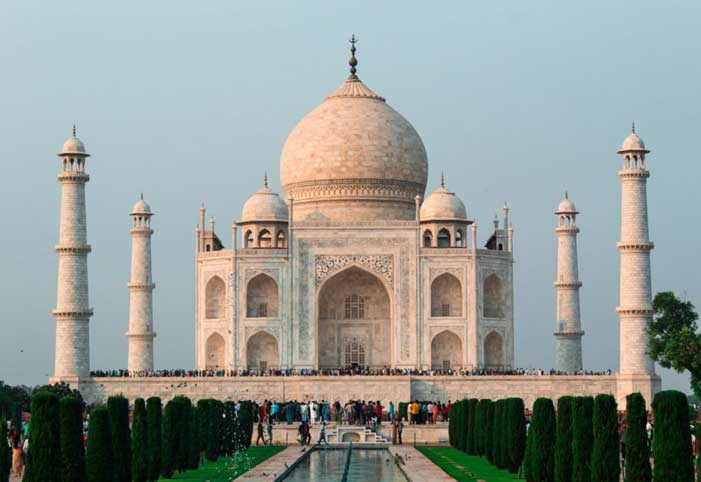
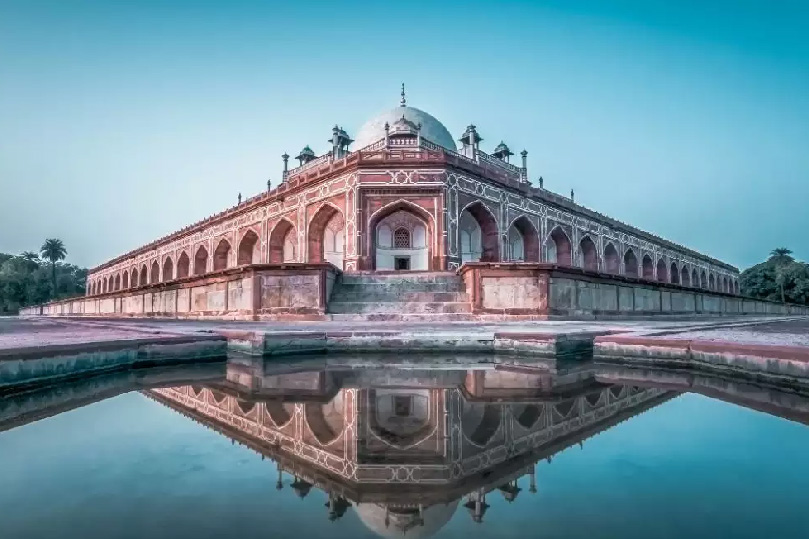
At India Trip Driver, we specialize in offering comfortable, safe, and fully customizable Golden Triangle Tour India experiences with private car, driver, and local guides. Covering Delhi, Agra, and Jaipur, this iconic travel circuit is ideal for travelers who want to explore India’s rich heritage, royal architecture, vibrant culture, and timeless monuments like the Taj Mahal, Amber Fort, and Humayun’s Tomb in a well-planned manner.
Whether you are a first-time visitor to India or planning a return journey with your family, partner, or small group, our Golden Triangle tours are designed to be smooth, flexible, and hassle-free. With experienced drivers, personalized itineraries, and handpicked hotels, India Trip Driver ensures that your journey through North India becomes truly memorable.
Why the Golden Triangle Tour is So Popular
Before diving into the key things to remember, it’s important to understand why the Golden Triangle is so famous:
- Covers three iconic cities in a short time
- Ideal for first-time travelers to India
- Rich mix of Mughal, Rajput, and British history
- Easy road connectivity and excellent tourist infrastructure
- Suitable for families, couples, solo travelers, and senior tourists
Now, let’s explore the 5 most important things to remember while planning your Golden Triangle Tour in India.
1. Plan the Right Duration and Travel Pace
One of the biggest mistakes travelers make is trying to rush the Golden Triangle Tour. While the route looks short on the map, each city has a lot to offer.
Ideal Duration for Golden Triangle Tour
- Minimum: 5 Nights / 6 Days (very rushed)
- Ideal: 6–7 Nights / 7–8 Days
- Relaxed: 8–10 Days (recommended for families and senior travelers)
Suggested Travel Pace
- Delhi: 2 nights (historical monuments + modern city)
- Agra: 1–2 nights (Taj Mahal, Agra Fort, Fatehpur Sikri)
- Jaipur: 2–3 nights (forts, palaces, markets)
Tip: Avoid covering multiple cities in one day. India is best enjoyed slowly, allowing time for sightseeing, local food, and cultural experiences.
2. Choose the Best Time to Visit Golden Triangle India
The weather plays a crucial role in your overall travel experience. India’s climate can be extreme, especially for international tourists.
Best Season for Golden Triangle Tour
- October to March: Best time (pleasant weather)
- April to June: Very hot (not ideal for sightseeing)
- July to September: Monsoon season (lush but humid)
Month-wise Overview
- October–November: Clear skies, festivals, great photography
- December–January: Cool mornings, light fog, comfortable days
- February–March: Mild temperatures, perfect for travel
Tip: If you plan to visit the Taj Mahal at sunrise, winter months offer magical views, but carry warm clothes.
3. Hire a Private Car, Driver, and Local Guide
Transportation and local guidance can make or break your Golden Triangle experience.
Why a Private Car & Driver is Important
- Comfortable long-distance travel
- Flexibility to stop anywhere
- Safe and stress-free journey
- Ideal for families and senior citizens
Importance of Local Tour Guides
Each city in the Golden Triangle has deep historical stories that are best explained by a licensed local guide.
- Delhi guide: Mughal & British-era history
- Agra guide: Taj Mahal architecture and love story
- Jaipur guide: Rajput culture and royal heritage
Tip: A knowledgeable guide helps you skip tourist traps and enhances your understanding of India’s heritage.
4. Respect Local Culture, Dress Code, and Etiquette
India is culturally rich and diverse, and respecting local traditions will make your trip smoother and more enjoyable.
Dress Code Tips
- Wear modest clothing at religious sites
- Cover shoulders and knees in temples and mosques
- Comfortable cotton clothes for summers
Cultural Etiquette
- Remove shoes before entering temples
- Ask before taking photos of locals
- Use right hand for giving or receiving items
Tip: Indians are warm and welcoming. A simple smile and polite behavior go a long way.
5. Be Smart About Safety, Food, and Shopping
Golden Triangle cities are tourist-friendly, but basic precautions are always important.
Safety Tips
- Keep valuables secure
- Avoid isolated areas late at night
- Use trusted transport and guides
Food Tips
- Eat at reputed restaurants or hotel dining
- Avoid raw street food if you have a sensitive stomach
- Drink only bottled or filtered water
Shopping Tips
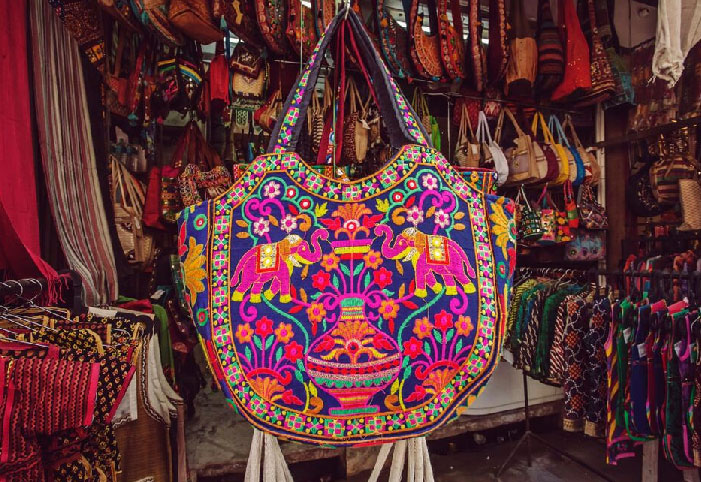
- Jaipur: Handicrafts, gemstones, textiles
- Agra: Marble inlay work, leather goods
- Delhi: Spices, souvenirs, handicrafts
Tip: Bargaining is common in local markets, but do it politely.
Bonus Tips for a Memorable Golden Triangle Tour
- Start sightseeing early to avoid crowds
- Keep some cash for local markets
- Book monuments tickets online to skip queues
- Add optional destinations like Fatehpur Sikri, Abhaneri Stepwell, or Neemrana Fort
Sample Golden Triangle Tour Itinerary (7 Days)
- Day 1: Arrival in Delhi – Sightseeing
- Day 2: Delhi – Old & New Delhi Tour
- Day 3: Delhi to Agra – Taj Mahal & Agra Fort
- Day 4: Agra to Jaipur via Fatehpur Sikri & Abhaneri
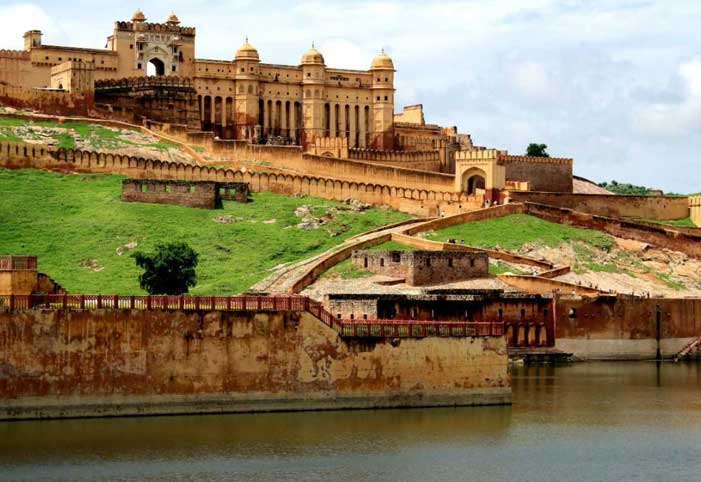
- Day 5: Jaipur – Amber Fort & City Tour
- Day 6: Jaipur – Local Markets & Cultural Show
- Day 7: Departure from Jaipur / Delhi
Conclusion
The Golden Triangle Tour India is the perfect introduction to the country’s heritage, culture, and diversity. By remembering these 5 essential things—right planning, best travel season, private transport, cultural respect, and smart safety practices—you can turn your journey into a truly unforgettable experience.
Whether you are traveling with family, friends, or as a couple, thoughtful planning will ensure comfort, safety, and lifelong memories.