Best Time to Visit India for Budget Travelers – July to September Monsoon Deals on Golden Triangle Tour with Private Car
Best Monsoon Travel Deals in India for Budget-Conscious Travelers
India is often perceived as a year-round destination, but for travelers who prioritize value without compromising experience, timing makes a significant difference. The months from July to September, known as the monsoon season, present one of the most overlooked yet financially rewarding windows for international visitors. For those planning a Golden Triangle Tour with Private Car, this period unlocks lower hotel tariffs, discounted chauffeur services, and fewer crowds at major monuments.
Budget travel in India does not mean sacrificing comfort. During monsoon, luxury hotels reduce rates, tour operators offer promotional packages, and airfare often becomes more competitive. Cities like Delhi, Agra, and Jaipur transform visually as rain refreshes landscapes, softens temperatures, and enhances monument photography with dramatic skies.
Understanding how weather, pricing cycles, and tourist patterns align during these months helps travelers maximize savings while enjoying a more relaxed pace.
Why July to September Is the Smartest Budget Window for India Travel
The monsoon season significantly shifts tourism dynamics across northern India. While many travelers avoid this period due to concerns about rain, experienced planners recognize it as the most strategic time for budget travel in India. Demand decreases compared to peak winter months, leading to competitive pricing across accommodations and transport services.
Hotels in Delhi and Jaipur frequently offer reduced tariffs, sometimes lowering rates by thirty to forty percent compared to peak season. Luxury heritage properties that remain unaffordable during winter suddenly become accessible. This makes it possible for budget-conscious travelers to enjoy upgraded stays without exceeding planned expenses.
Tour operators adjust pricing to stimulate bookings, particularly for the Golden Triangle with private driver circuit. Private car services, which are typically premium-priced in high season, become more affordable due to lower demand. This creates an opportunity for travelers to experience comfortable, air-conditioned transport rather than relying on public systems.
Additionally, flight fares often reflect off-season pricing. With fewer international arrivals, airlines introduce promotional rates, further enhancing savings.
Monsoon travel requires flexibility rather than avoidance. Rainfall usually comes in short bursts rather than continuous downpours, leaving ample time for sightseeing. For travelers willing to adapt, July to September provides exceptional value without diminishing experience quality.
Plan Your Budget Trip to India
Need help planning your trip? Talk to our local travel expert and get a customized itinerary.
Golden Triangle During Monsoon – Weather Reality vs Perception
The Golden Triangle India Tour connects Delhi, Agra, and Jaipur, forming one of the country’s most iconic travel circuits. Many assume monsoon weather disrupts sightseeing; however, rainfall in these cities is typically intermittent rather than constant.
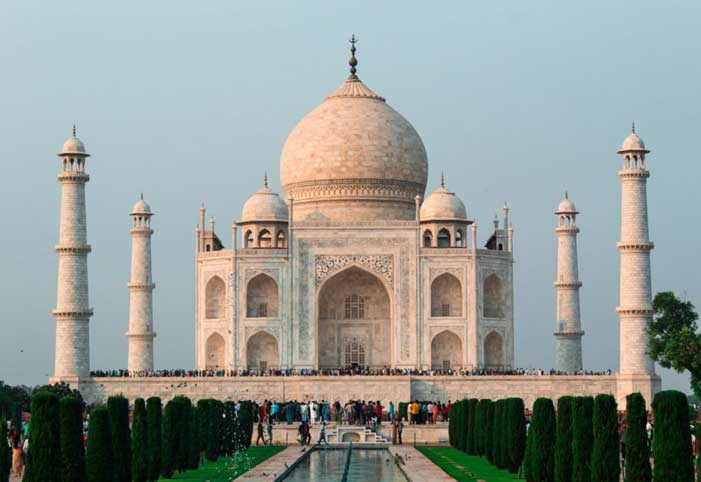
Delhi experiences occasional showers that cool the otherwise intense summer heat. Agra benefits from clearer skies after rain, enhancing reflections around the Taj Mahal. Jaipur’s pink sandstone architecture contrasts beautifully against dramatic monsoon clouds.
Temperatures during monsoon remain significantly lower than peak summer months. While humidity may increase slightly, air-conditioned private vehicles and well-equipped hotels ensure comfort. Morning sightseeing sessions often proceed without interruption.
Rain can enhance photography rather than hinder it. Wet marble surfaces at the Taj Mahal reflect light uniquely, and overcast skies soften harsh midday glare. The cityscapes feel fresher and greener compared to dry seasons.
Perception often deters travelers unnecessarily. With proper scheduling and professional guidance, monsoon weather becomes an aesthetic advantage rather than a logistical challenge.
Hotel Discounts and Luxury Stays at Reduced Prices
Accommodation pricing defines overall travel budget. During peak months, premium properties in Delhi and Jaipur command high nightly rates. Monsoon months shift this equation dramatically.
Five-star hotels and heritage palaces frequently introduce seasonal promotions targeting international visitors. Complimentary upgrades, added breakfast inclusions, and extended stay discounts become common. This makes monsoon hotel deals in India particularly attractive.
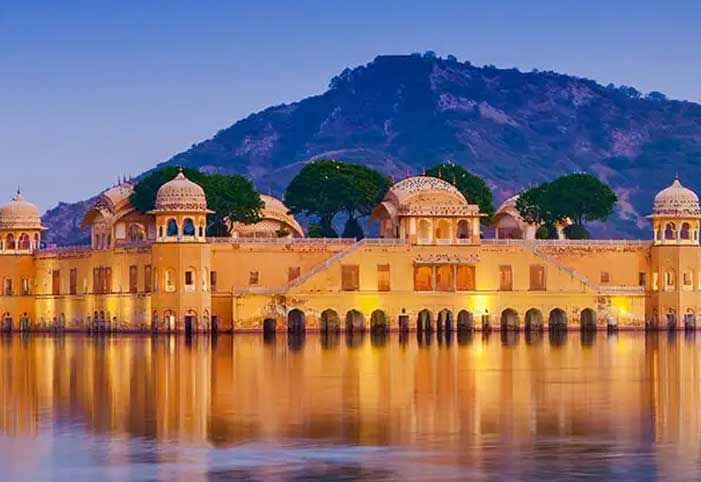
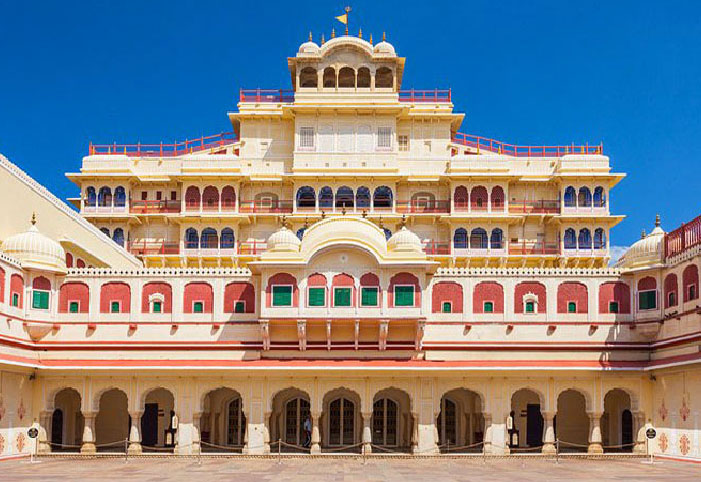
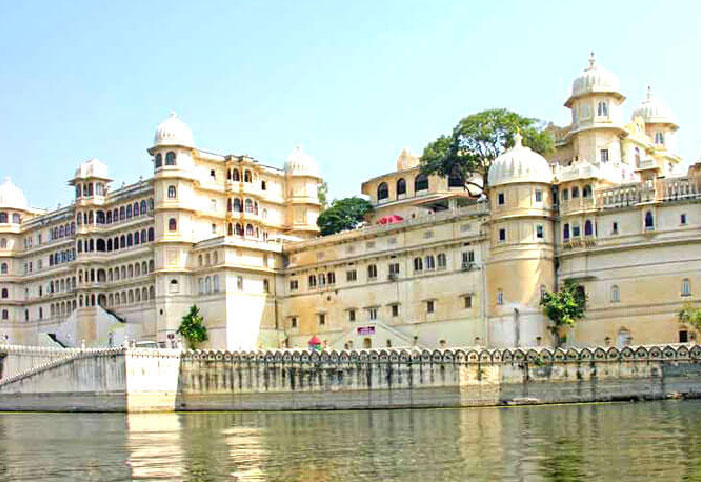
For travelers seeking experiential stays—such as palace hotels in Jaipur—off-season pricing enables access to rooms otherwise beyond budget range. Boutique properties similarly offer incentives to maintain occupancy.
Lower occupancy also means quieter common areas, more attentive service, and enhanced privacy. Budget travelers gain the advantage of premium ambiance without peak crowd density.
Strategic hotel selection during July to September transforms travel perception. Instead of compromising quality to reduce cost, travelers upgrade experience while spending less.
Private Car with Driver – Cost Efficiency and Comfort
Choosing a Private Car with Driver in India enhances flexibility and safety. During monsoon, chauffeur-driven services become more competitively priced, making them accessible to mid-range budgets.
Air-conditioned vehicles protect against humidity and sudden rain showers. Drivers familiar with regional road conditions adjust routes accordingly, ensuring minimal disruption.
Unlike fixed group tours, private transport allows flexible departure times to avoid rainfall peaks. If weather delays occur, itineraries can shift smoothly without pressure.
Cost efficiency emerges because off-season rates lower overall tour pricing. When split among couples or small groups, private car travel becomes surprisingly economical compared to multiple domestic flights or train tickets.
Monsoon savings therefore extend beyond accommodation to transportation infrastructure.
Need Help Planning Your India Trip?
Get expert advice, the best routes, and budget-friendly travel plans for your India journey. Our local travel experts are ready to help you.
Crowd Levels and Monument Access During Off-Season
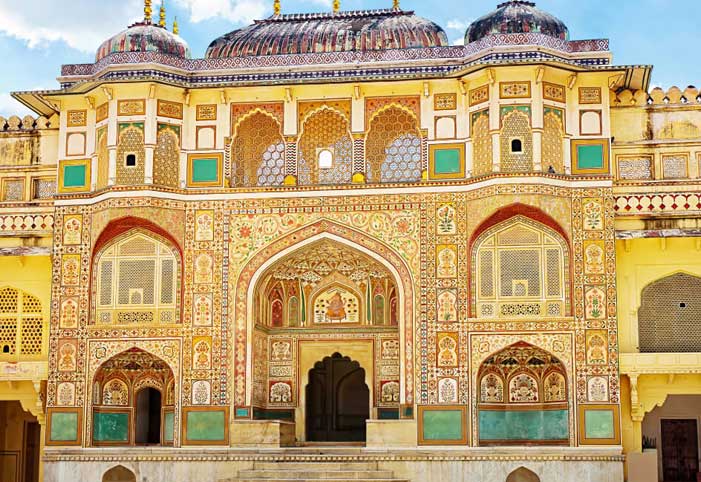
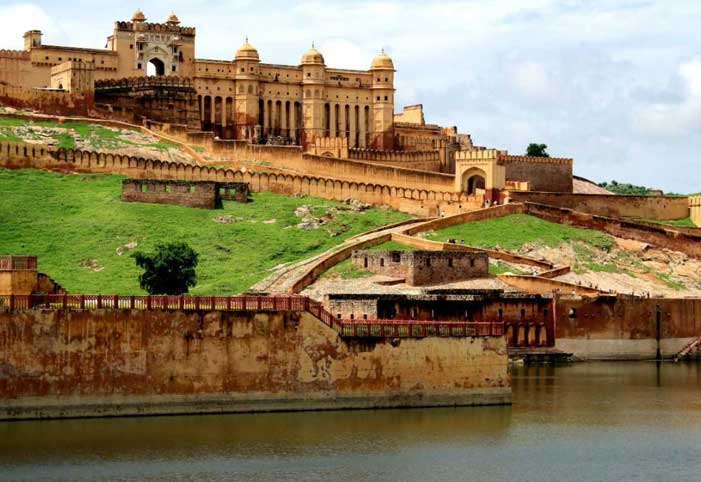
Crowd density at major attractions influences travel enjoyment. Peak winter months see heavy lines at the Taj Mahal and Amber Fort. Monsoon months reduce this congestion significantly.
Fewer visitors translate to shorter security queues, easier photography access, and quieter exploration of palace interiors. The overall atmosphere becomes more relaxed.
For budget travelers, this also means less pressure to book premium “skip the line” experiences. Natural crowd reduction provides inherent convenience.
Traveling during July to September enhances experiential quality while simultaneously lowering cost.
Smart Itinerary Planning for Monsoon Travelers
Effective scheduling maximizes comfort. Morning sightseeing often avoids potential afternoon showers. Flexible buffer time ensures stress-free adjustments.
Carrying lightweight rain protection and breathable clothing supports adaptability. Professional tour planners monitor forecasts and advise accordingly.
Balanced pacing, combined with strategic hotel selection and private transport, ensures monsoon travel remains smooth.