Best Time to Visit India for Festivals - Month-by-Month Travel Guide
Understanding the Best Time to Visit India for Festivals
Imagine planning a journey to India not just around destinations but around moments, where each trip aligns with a celebration that reflects the culture, traditions, and diversity of the country. India is not a place where festivals are limited to a single season or region; instead, they are spread across the entire calendar, offering something unique almost every month. For foreign tourists, understanding the best time to visit India for festivals is not just about choosing dates; it is about aligning your travel experience with the kind of cultural environment you want to explore. The diversity of festivals in India means that your experience can vary significantly depending on when you visit, as each season brings a different set of celebrations, weather conditions, and travel dynamics.
Some festivals are energetic and interactive, such as Holi, where participation is the main attraction, while others are more visual and structured, such as Diwali, where the focus is on lights, decoration, and cultural observation. There are also region-specific festivals like Onam in Kerala or the Hornbill Festival in Nagaland, which provide a deeper insight into local traditions. For travelers, this variety creates an opportunity to customise their journey based on personal preferences, whether they are looking for excitement, cultural depth, or a relaxed atmosphere. Weather plays a crucial role in determining the best time for festival travel in India, as the country experiences diverse climatic conditions ranging from hot summers to monsoon rains and cooler winters. Choosing the right season ensures that your travel is comfortable and allows you to enjoy the festival without being affected by extreme weather. Using a private car with driver in India becomes particularly useful when planning festival-based travel, as it allows you to move between destinations efficiently and adapt your itinerary according to festival dates and locations. For foreign tourists, understanding the timing of festivals is the key to unlocking a more meaningful travel experience, where each visit becomes more than just sightseeing and turns into a cultural journey that reflects the essence of India.
Experience India's Festivals at Their Most Spectacular
From the colorful celebrations of Holi and the dazzling lights of Diwali to the spiritual grandeur of Kumbh Mela and the cultural charm of regional festivals, every season in India offers something extraordinary.
Winter Season Festivals in India – October to February Travel Experience
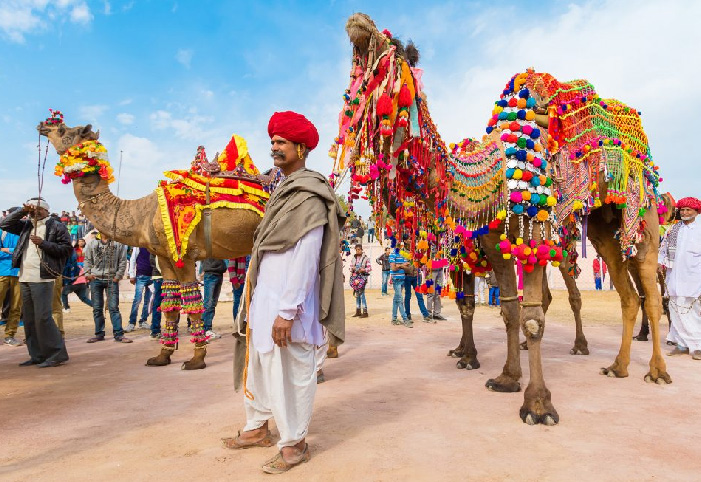
The winter season is widely considered the best time to visit India for festivals, as it offers a combination of pleasant weather and some of the most iconic celebrations in the country. During this period, temperatures are generally comfortable across most regions, making it ideal for travel, exploration, and participation in outdoor events. Festivals such as Diwali, Pushkar Camel Fair, and various desert and cultural festivals take place during these months, creating a vibrant and diverse travel experience. For foreign tourists, this season provides an opportunity to explore multiple destinations while enjoying different types of festivals, from spiritual events to cultural fairs. The northern regions of India, including Rajasthan and Delhi, are particularly appealing during winter, as the weather allows for comfortable sightseeing and travel.
The festival travel experience in India during winter is characterised by a balance between activity and comfort, as the cooler temperatures make it easier to attend events, explore markets, and visit historical sites. This is also the peak tourist season, which means that infrastructure, accommodation, and services are well-prepared to handle visitors. However, it also requires advance planning, as demand for hotels and transport increases significantly. Using a private car with driver in India during this season ensures that you can navigate busy routes and reach festival locations without delays. The winter season also offers a variety of experiences, from desert festivals in Rajasthan to cultural celebrations in cities and spiritual gatherings in places like Varanasi. The combination of favourable weather, diverse festivals, and well-developed travel infrastructure makes this period one of the most recommended times for foreign tourists to explore India. Understanding the opportunities available during winter allows you to plan a trip that is both comfortable and culturally rich, ensuring that you experience some of the most memorable festivals in the country.
Spring and Holi Season – March Travel Experience in India
Spring in India marks the arrival of one of the most energetic and interactive festivals in the country, making it another strong contender for the best time to visit India for festivals. The highlight of this season is Holi, the festival of colours, which transforms cities and towns into vibrant spaces filled with music, dance, and celebration. For foreign tourists, the Holi festival travel experience in India is unique because it encourages participation rather than observation, allowing visitors to become part of the celebration. The weather during this time is generally pleasant, with moderate temperatures that make outdoor activities enjoyable. This creates an ideal environment for travelers who want to experience India in a lively and dynamic setting. Unlike the structured and visually focused festivals of winter, spring festivals are more spontaneous and interactive, requiring a different approach to travel planning. Choosing the right location is important, as some cities offer safer and more organised celebrations for tourists, while others may feel overwhelming.
Destinations such as Jaipur, Pushkar, and certain areas of Delhi are popular for safe Holi travel in India, providing a balance between authenticity and comfort. Using a private driver in India for festival travel is particularly useful during this time, as it allows you to move between locations safely and avoid crowded public transport. Accommodation should be booked in advance, although demand is generally lower than during winter. The spring season also offers an opportunity to explore other parts of India, as the weather remains favourable in many regions. The energy of Holi combined with comfortable travel conditions makes spring an exciting time for visitors who are looking for a more interactive and memorable festival experience. Understanding the nature of spring festivals helps you decide whether this season aligns with your travel preferences and expectations.
Monsoon Season Festivals – July to September Cultural Experience
The monsoon season offers a completely different perspective when considering the best time to visit India for festivals, as it combines cultural celebrations with a landscape transformed by rain and greenery. While some travelers may initially hesitate to visit during this period due to weather concerns, it is actually one of the most unique times to experience certain regional festivals that are deeply connected to nature and seasonal changes. Festivals such as Teej in Rajasthan and Onam in Kerala take place during this time, each offering a distinct cultural experience that reflects the environment and traditions of the region.
For foreign tourists, the festival travel experience in India during monsoon is less about large crowds and more about observing local traditions in a calmer and more scenic setting. Kerala, in particular, becomes a highlight during this season, with its backwaters, lush landscapes, and cultural events creating a peaceful and visually appealing environment. Rajasthan, on the other hand, celebrates the arrival of rain with festivals that bring colour and life to its otherwise dry landscape. Travel during the monsoon requires preparation, as rain can affect schedules and outdoor activities. However, using a private car with driver in India ensures that you can navigate these challenges comfortably and maintain flexibility in your itinerary. Accommodation prices are often lower during this period, making it a more budget-friendly option for travelers. The monsoon season also offers fewer crowds compared to peak tourist months, allowing for a more relaxed travel experience. Understanding the unique characteristics of monsoon festivals helps you appreciate this season as an opportunity rather than a limitation, providing a different and more intimate way to explore India’s cultural diversity.
Don't Just Visit India—Celebrate It
The best way to experience India is through its festivals. Witness centuries-old traditions, vibrant street celebrations, and unforgettable cultural moments.
Choosing the Right Time for Your India Festival Trip
Selecting the best time to visit India for festivals ultimately depends on your travel style, preferences, and expectations, as each season offers a different type of experience. If you prefer structured and visually rich celebrations with comfortable weather, the winter season is the most suitable choice. If you are looking for energy, interaction, and a more dynamic environment, spring and the Holi festival provide an exciting option. For travelers who value scenic beauty, cultural depth, and a quieter atmosphere, the monsoon season offers unique opportunities that are often overlooked. Understanding these differences allows you to align your travel plans with your interests, ensuring that your experience matches your expectations.
Planning your itinerary around festivals also requires flexibility, as dates can vary and travel conditions may change. Using a private driver in India for festival travel provides the convenience and adaptability needed to navigate different regions and schedules, making your journey smoother and more enjoyable. Budget considerations also play a role, as peak seasons such as winter may involve higher costs for accommodation and transport, while off-peak seasons offer more affordable options. For foreign tourists, the key to a successful festival-based trip is preparation, including researching festival dates, booking accommodation in advance, and understanding local customs. By carefully choosing the right time to visit, you can transform your trip into a cultural journey that goes beyond sightseeing and allows you to experience the true essence of India through its festivals.