Best Time to Visit Taj Mahal for Foreign Tourists

When to Visit the Taj Mahal for the Best Experience
The Taj Mahal is not just a monument; it is an atmosphere shaped by light, temperature, crowd movement, and seasonal rhythm. For foreign tourists, selecting the right time to visit the Taj Mahal has a direct impact on comfort, photography quality, visibility, and overall satisfaction. A poorly timed visit can feel rushed and exhausting, while the right timing turns the experience into something calm and memorable.
India’s climate, regional conditions, and visitor patterns differ significantly from many Western countries. Understanding these variations allows international travelers to plan a Taj Mahal visit that feels smooth rather than overwhelming.
Understanding Weather Conditions Around the Taj Mahal
Agra experiences extreme seasonal variations. Summers can be intensely hot, winters can be cold during early mornings, and monsoon months bring humidity and visibility challenges. For foreign travelers unfamiliar with these conditions, timing becomes essential.
The most comfortable period for visiting the Taj Mahal is when temperatures remain moderate, skies are clear, and walking conditions around the complex feel manageable. This balance allows visitors to spend more time appreciating architectural details without physical discomfort.
Why Morning Visits Are Preferred by Foreign Tourists
Early morning visits are widely considered ideal for the Taj Mahal. The softer light enhances the marble’s color, and the complex feels calmer before large crowds arrive. For foreign tourists dealing with jet lag, early starts often align naturally with internal body clocks.
Morning visits also help avoid peak heat and allow smoother movement through security checks. This timing is especially beneficial for travelers interested in photography or those who prefer quieter sightseeing.
Plan Your Visit to Taj Mahal with Expert Guidance!
Discover the best time to visit the Taj Mahal and make your trip unforgettable!
Late Afternoon and Sunset Considerations
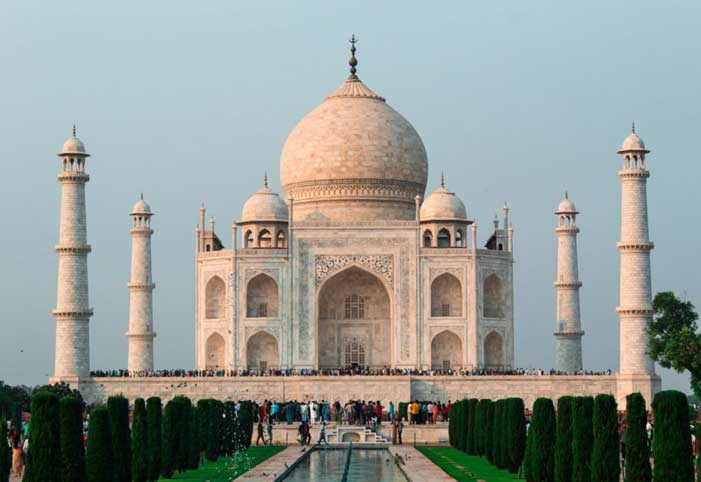
Late afternoon visits offer a different atmosphere. The Taj Mahal reflects warmer tones as the sun lowers, creating a romantic and serene environment. However, crowd density can increase during these hours, especially on high-traffic days.
Foreign tourists choosing afternoon visits should account for security queue times and ensure sufficient daylight remains to enjoy the complex fully.
Seasonal Crowd Patterns at the Taj Mahal
Crowd levels at the Taj Mahal fluctuate throughout the year. Certain months attract higher numbers of international visitors due to favorable weather and global travel patterns. During these periods, entry queues can be longer, and the interior may feel congested.
Travelers seeking a quieter experience should aim for periods when domestic tourism is lower and international arrivals are more evenly spread. Proper timing allows for a more relaxed visit and better opportunities to explore the complex without pressure.
Visibility and Air Quality Factors
Visibility plays a significant role in the Taj Mahal experience. Clear skies highlight the monument’s symmetry and detail, while haze can dull its appearance. Foreign tourists often prioritize visibility, especially those traveling long distances specifically to see the Taj Mahal.
Periods with lower humidity and minimal air pollution offer clearer views and more satisfying photography conditions.
Best Timing for Photography-Oriented Visitors
Photography-focused travelers benefit greatly from strategic timing. Early morning light produces softer shadows, while late afternoon sunlight creates warm reflections on the marble surface.
Crowd movement is also easier to manage during off-peak hours, allowing photographers to frame shots with fewer distractions. This timing is especially important for travelers planning a Taj Mahal photography-focused visit.
Comfort for Senior Travelers and Families
For senior travelers and families, comfort becomes the primary consideration. Moderate temperatures reduce fatigue and make walking around the expansive complex more manageable.
Choosing the right season and time of day ensures that the visit remains enjoyable rather than physically demanding. Rest areas, shaded pathways, and manageable crowds contribute significantly to comfort.
Cultural and Weekly Patterns to Consider
Certain days experience higher visitor numbers due to local travel habits. Foreign tourists benefit from selecting days when domestic tourism is lighter, allowing for smoother entry and quieter exploration.
Understanding weekly patterns helps travelers avoid peak congestion and enhances the overall experience.
The Role of Private Transport in Timing Optimization
Foreign tourists using private car and driver services in Agra gain greater control over timing. Drivers adjust pickup times, avoid traffic congestion, and ensure arrival during optimal entry windows.
This flexibility is especially valuable for early morning or late afternoon visits when public transport options may be limited.
Entry Flow and Security Timing
Security procedures at the Taj Mahal are thorough. Arriving at the right time reduces waiting periods and allows visitors to move through checkpoints efficiently.
Foreign tourists unfamiliar with local entry procedures often find early or mid-morning arrivals smoother and less stressful.
Weather Comfort and Walking Distance
The Taj Mahal complex involves significant walking. Comfortable weather conditions directly affect how long visitors can explore without fatigue.
Choosing the right season ensures that foreign tourists can spend adequate time inside the complex without rushing due to heat or discomfort.
Planning Around Travel Itineraries
Many foreign tourists visit the Taj Mahal as part of a larger itinerary, often traveling from Delhi or Jaipur. Aligning Taj Mahal timing with travel days improves energy levels and sightseeing quality.
Private transport allows travelers to arrive rested and ready, rather than fatigued from rushed connections.
Emotional Impact of Timing
The Taj Mahal evokes emotion through atmosphere as much as architecture. Quiet moments, gentle light, and calm surroundings deepen the emotional connection.
Foreign tourists often find that visiting during peaceful hours enhances appreciation and creates lasting memories.
Choosing Timing Based on Travel Style
Different travel styles require different timing strategies. Couples often prefer quieter, romantic hours. Families prioritize comfort and ease. Photographers focus on light quality. Senior travelers value pacing and accessibility.
Understanding personal travel style helps determine the most suitable visit time.
Avoiding Rushed Experiences
Poor timing can turn the Taj Mahal visit into a rushed checklist item. Long queues, heat, and crowd pressure reduce enjoyment.
Careful planning allows foreign tourists to experience the monument at a natural pace, appreciating details and surroundings.
Planning Ahead for a Smooth Visit
Advance planning is key. Understanding opening hours, local conditions, and travel logistics ensures a smoother experience.
Foreign tourists benefit from coordinating timing with transport providers who understand local conditions.
Plan Your Visit to Taj Mahal with Expert Guidance!
Discover the best time to visit the Taj Mahal and make your trip unforgettable!
Why Timing Matters More Than People Expect
Many travelers underestimate the impact of timing. The same monument can feel vastly different depending on when it is visited.
For foreign tourists traveling long distances, choosing the right time maximizes the value of the visit.
Making the Taj Mahal Visit Truly Rewarding
The Taj Mahal deserves unhurried attention. Timing choices shape comfort, clarity, and emotional response.
Foreign tourists who plan carefully often describe their visit as calm, immersive, and deeply satisfying.