Beyond the Taj: Exploring Agra's Hidden Mughal Gardens & Stepwells by Car
What to Explore Beyond the Taj Mahal in Agra
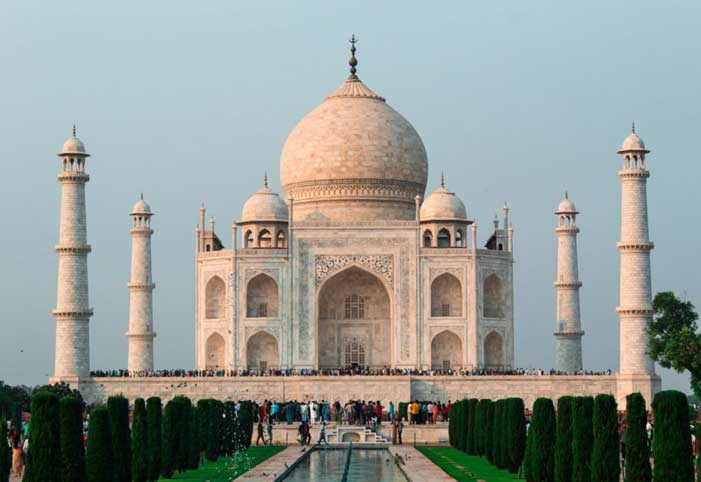
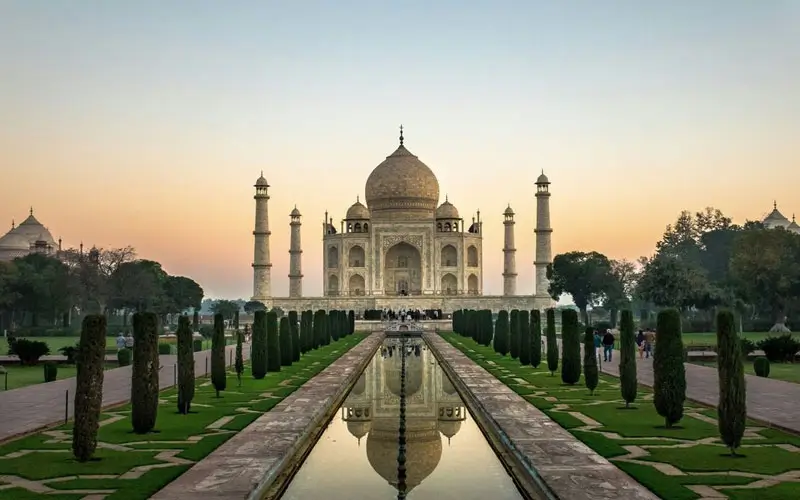
Agra is widely known around the world because of the Taj Mahal. Millions of visitors arrive every year to admire the white marble masterpiece built during the Mughal era. Yet focusing only on the Taj Mahal reveals only a small part of the city's remarkable heritage. Beyond the famous monument lies a fascinating network of gardens, historic structures and architectural spaces that tell a deeper story of Mughal design.
During the height of the Mughal Empire, Agra served as one of the most important imperial capitals in India. Emperors and nobles commissioned gardens, tombs and water structures that reflected Persian architectural influence blended with Indian craftsmanship. Many of these places remain preserved but receive far fewer visitors compared to the Taj Mahal.
Exploring these lesser-known sites reveals how Mughal rulers designed landscapes that combined architecture, water and nature into harmonious environments. Travelers interested in history and architecture often discover that these hidden locations offer peaceful settings where the grandeur of Mughal design can be appreciated without large crowds.
A carefully planned Agra heritage road trip allows travelers to explore these overlooked sites comfortably. Moving through the city with a private car and driver in Agra makes it possible to reach monuments, gardens and stepwells that are scattered across different parts of the region.
The Mughal Garden Tradition
Gardens played a central role in Mughal architecture. Inspired by Persian traditions, Mughal rulers believed that gardens symbolized paradise. These landscapes were carefully designed using geometric layouts, water channels and symmetrical pathways.
The typical Mughal garden followed the charbagh garden design, a layout divided into four sections by flowing water channels. Trees, flowering plants and shaded walkways created spaces where visitors could rest and reflect. Water was especially important because it represented purity and life.
While the Taj Mahal gardens are the most famous example of this tradition, several other gardens in and around Agra reflect similar design principles. These spaces reveal how Mughal emperors valued harmony between architecture and the natural environment.
Travelers exploring Mughal garden architecture in Agra often appreciate the calm atmosphere these landscapes provide. Walking through quiet pathways lined with trees offers a completely different experience compared to the busy main monument areas.
Explore More Than Just the Taj Mahal
Go beyond the iconic Taj Mahal and discover hidden gems, heritage sites, and local experiences around Agra. Travel with a private driver and enjoy a deeper, more enriching journey.
Mehtab Bagh: The Taj Mahal's Riverside Garden
Located across the Yamuna River from the Taj Mahal, Mehtab Bagh offers one of the most beautiful perspectives of the monument. The garden was originally created during the Mughal era as part of a symmetrical landscape plan aligned with the Taj Mahal.
The garden’s name translates to "Moonlight Garden," reflecting the idea that the Taj Mahal would glow softly when viewed from this location during the night. Even during daylight hours, the view remains extraordinary.
From Mehtab Bagh, travelers can photograph the Taj Mahal framed by trees and garden pathways while the Yamuna River flows quietly in the foreground. The peaceful setting allows visitors to appreciate the monument’s symmetry without the heavy crowds found on the main side.
Photographers often consider this location one of the best places for Taj Mahal river view photography. Early morning and late afternoon light create especially dramatic reflections across the landscape.
Traveling here with a private driver Agra sightseeing tour makes it easy to include Mehtab Bagh alongside other hidden monuments around the city.
Ram Bagh: The Oldest Mughal Garden in India
Ram Bagh is considered the oldest surviving Mughal garden in India. Originally commissioned by Emperor Babur, the founder of the Mughal Empire, the garden reflects early design principles that later evolved into the grand landscapes seen during the reign of Shah Jahan.
Unlike the Taj Mahal gardens, Ram Bagh offers a quieter environment where visitors can observe the geometric layout of traditional Mughal landscaping. Stone pathways divide the garden into symmetrical sections while water channels once flowed through the center.
The garden also contains historic pavilions where emperors once relaxed while enjoying the surrounding scenery. These structures reveal how Mughal rulers used gardens not only for decoration but also for leisure and reflection.
Exploring historic Mughal gardens in Agra such as Ram Bagh allows travelers to understand how landscape design developed during the early Mughal period.
A private car heritage tour in Agra provides convenient access to this peaceful site located slightly away from the main tourist areas.
Itmad-ud-Daulah: The Jewel Box of Agra
Often referred to as the "Baby Taj," the tomb of Itmad-ud-Daulah represents a transitional moment in Mughal architecture. Built before the Taj Mahal, the monument introduced delicate marble inlay techniques that later became famous in the Taj Mahal.
The tomb stands within a beautiful garden complex along the Yamuna River. Intricate carvings and semi-precious stone decorations cover the walls, creating a level of detail that fascinates architecture lovers.
Because it receives fewer visitors than the Taj Mahal, the atmosphere around the monument feels peaceful. Visitors can spend time examining the craftsmanship up close while walking through the surrounding gardens.
For travelers interested in Mughal marble architecture in Agra, this site provides a remarkable example of artistic innovation during the Mughal era.
Discover Hidden Gems Beyond the Taj
Explore lesser-known attractions, historic sites, and local experiences around Agra beyond the Taj Mahal. Book a private driver and enjoy a comfortable journey filled with unique discoveries.
Ancient Stepwells Around Agra
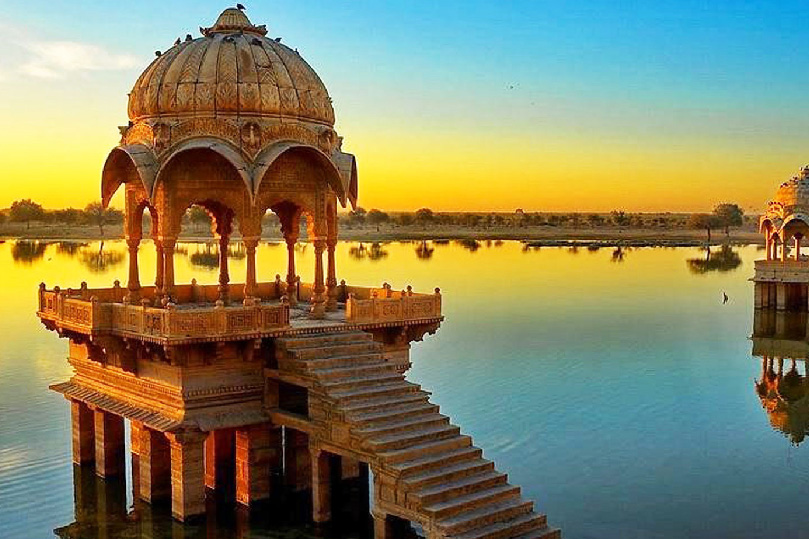
Water management was an essential element of historic Indian architecture. Stepwells were constructed to collect rainwater and provide reliable water sources throughout the year. These structures often featured elaborate staircases descending toward deep wells.
While stepwells are more commonly associated with Rajasthan and Gujarat, several historic water structures exist in regions surrounding Agra. These stepwells reveal the ingenuity of traditional engineering systems that allowed communities to store water efficiently.
The architectural beauty of stepwells lies in their geometric staircases and symmetrical patterns. As sunlight filters through the descending levels, dramatic shadows create fascinating visual compositions for photographers.
Exploring historic stepwells near Agra during a road journey allows travelers to see how water architecture played an important role in everyday life centuries ago.
A private driver heritage road trip from Agra makes it easier to visit these locations, many of which are located outside the main city center.
Mughal Architecture Beyond Famous Monuments
Agra’s heritage extends far beyond the monuments most visitors recognize. The city once hosted imperial residences, gardens, mosques and administrative complexes that reflected the power of the Mughal Empire.
Even today, smaller tombs, garden pavilions and historical neighborhoods preserve fragments of this legacy. Exploring these areas offers a deeper understanding of how Mughal cities were organized.
Architectural historians often note that the Mughal period introduced advanced urban planning principles that integrated gardens, water systems and residential spaces into harmonious environments.
Travelers who take time to explore hidden Mughal architecture in Agra often discover quiet corners that reveal the elegance of the empire’s design philosophy.
Planning an Agra Heritage Road Journey
Visitors interested in exploring Agra’s lesser-known monuments benefit from a flexible travel schedule. Many of the city’s historical locations are spread across different areas, making private transportation extremely convenient.
A typical Agra heritage exploration by car might begin with sunrise at the Taj Mahal before continuing to Mehtab Bagh across the river. From there, travelers can visit Ram Bagh, Itmad-ud-Daulah and surrounding historic neighborhoods.
Traveling with a professional transportation service such as India Trip Driver ensures comfortable travel while allowing visitors to explore Agra at their own pace. Experienced drivers help navigate the city’s busy streets while guiding travelers toward lesser-known cultural sites.
A thoughtfully planned private driver tour in Agra reveals the deeper history of the Mughal capital and transforms a simple visit into a rich architectural journey.