Chittorgarh Fort Day Trip from Udaipur - The Largest Fort in India You've Never Heard Of
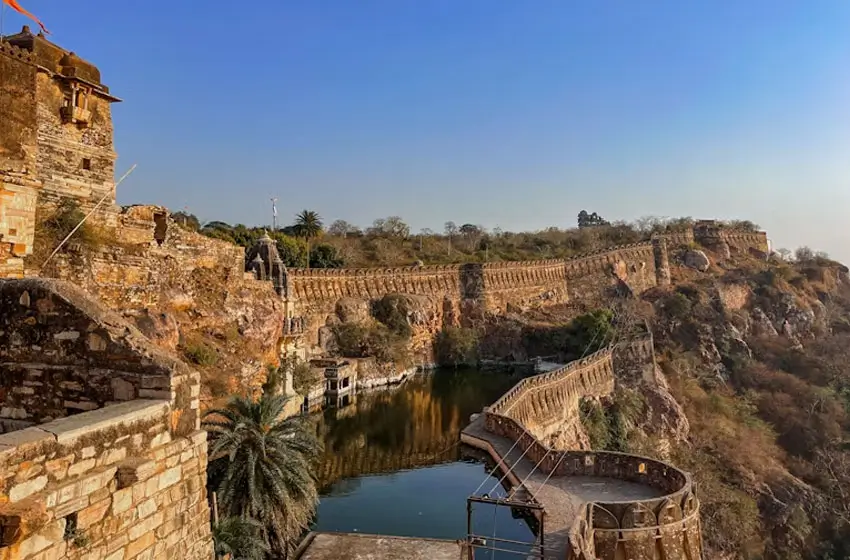
Chittorgarh Fort Day Trip from Udaipur – Exploring India's Largest Fort and the Legendary Heart of Rajput History
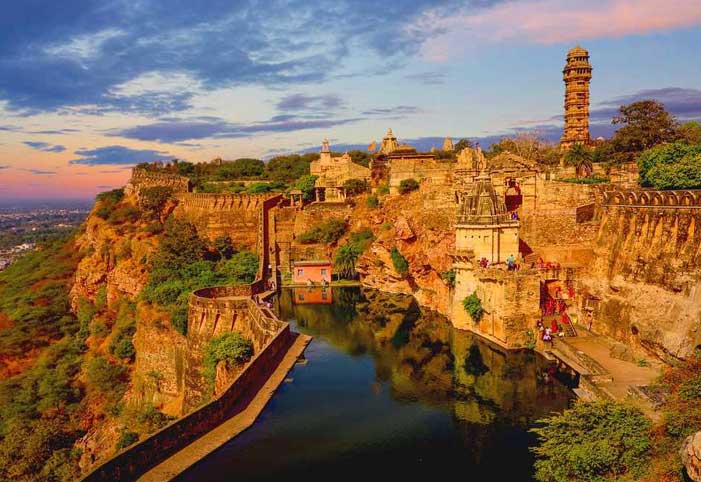
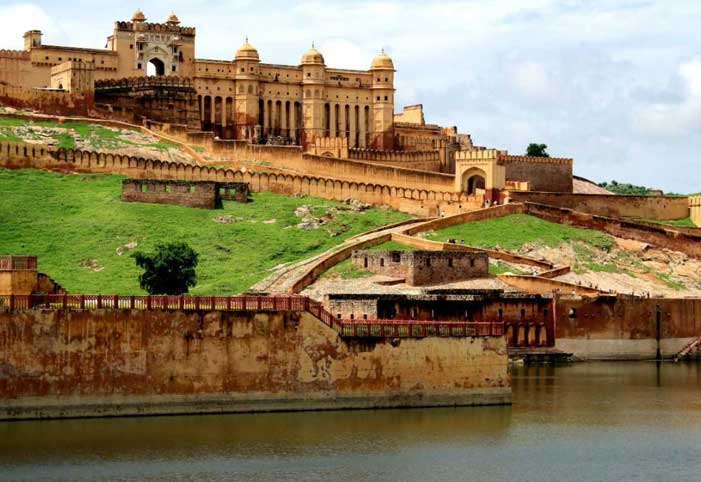
Few places in India embody courage, sacrifice, resilience, and royal pride as powerfully as Chittorgarh Fort. Rising dramatically above the plains of southern Rajasthan, this vast hilltop fortress is not only the largest fort in India but also one of the most historically significant. Covering hundreds of acres and containing palaces, temples, towers, reservoirs, gates, and monuments, Chittorgarh represents far more than a military structure. It stands as a symbol of Rajput honor and one of the most important heritage sites in the country.
Despite its extraordinary significance, many international travelers remain unfamiliar with Chittorgarh until they begin researching Rajasthan in greater detail. Visitors who make the journey often discover that the fort rivals, and in many cases surpasses, more famous attractions in terms of historical depth, architectural variety, and emotional impact.
A Chittorgarh Fort day trip from Udaipur is one of the most rewarding excursions available in Rajasthan. Located approximately 120 kilometers from Udaipur, the fort can be comfortably explored within a full-day itinerary while still allowing sufficient time to appreciate its major landmarks. Traveling by private car provides flexibility, comfort, and the ability to experience the journey at a relaxed pace.
The road between Udaipur and Chittorgarh passes through attractive countryside landscapes that gradually reveal the region's historical importance. Upon arrival, visitors immediately understand why the site occupies such a prominent position in Rajasthan's cultural memory. Massive walls stretch across the hilltop, while ancient gateways guard access to one of India's most remarkable fortifications.
Unlike many heritage attractions that focus primarily on architecture, Chittorgarh tells stories that continue to resonate across generations. Tales of rulers, warriors, queens, sieges, resistance, and sacrifice are woven into every section of the fort. These narratives have become central to Rajput identity and remain among the most powerful historical legends in India.
For history enthusiasts, photographers, architecture lovers, and travelers seeking deeper cultural experiences, a Chittorgarh sightseeing tour by private car offers an unforgettable journey into Rajasthan's heroic past.
Why Chittorgarh Fort Is the Largest Fort in India
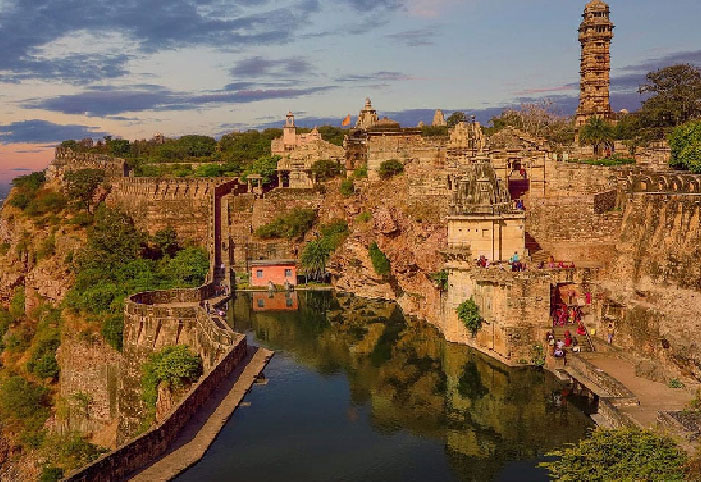
One of the most remarkable aspects of Chittorgarh Fort is its sheer scale. Visitors often arrive expecting a large fortress but quickly realize that the site functions more like an entire fortified city. Spread across approximately 700 acres atop a vast hill, the fort contains an extraordinary collection of structures connected by roads, pathways, and defensive systems.
Unlike compact forts where major attractions are concentrated within a small area, Chittorgarh extends across a substantial landscape. Exploring the entire complex on foot can be challenging due to distances between monuments. This is one reason why a private car tour of Chittorgarh Fort is particularly valuable.
The fort's strategic location contributed significantly to its historical importance. Elevated above the surrounding plains, it offered commanding views of the region while providing natural defensive advantages. Massive walls, fortified gates, and carefully designed access routes made it one of the most formidable strongholds in Rajasthan.
As visitors move through the complex, they encounter evidence of a once-thriving urban center. Palaces, temples, reservoirs, administrative buildings, military structures, and residential areas demonstrate that the fort served not only as a defensive installation but also as the heart of a powerful kingdom.
The engineering achievements associated with the site are equally impressive. Water storage systems, reservoirs, and sophisticated infrastructure supported large populations during periods of siege and ensured long-term sustainability within the fortifications.
A Chittorgarh heritage tour reveals how the kingdom's rulers transformed the hilltop into a self-contained city capable of withstanding prolonged military campaigns. Every section of the fort reflects careful planning and strategic thinking.
The scale of the site becomes particularly apparent when viewed from elevated viewpoints. Monuments appear scattered across a vast landscape connected by walls and pathways that stretch far into the distance. These perspectives help visitors appreciate why Chittorgarh remains unmatched in size among India's historic forts.
Understanding the fort's dimensions is essential because its scale influences every aspect of the visitor experience. Exploring Chittorgarh is not simply visiting a monument; it is discovering an entire historical world preserved atop a hill.
Explore the Legendary Chittorgarh Fort on a Comfortable Trip
Take a memorable day trip from Udaipur to the magnificent Chittorgarh Fort, India's largest fort complex and a UNESCO World Heritage Site. Visit Vijay Stambh, Kirti Stambh, Rana Kumbha Palace, Padmini Palace, and ancient temples while enjoying a private chauffeur-driven car, flexible sightseeing, and a hassle-free travel experience.
The Heroic History of Chittorgarh and the Rajput Spirit
The significance of Chittorgarh extends far beyond its architecture. The fort occupies a central place in Rajput history because of the extraordinary events that unfolded within its walls over several centuries.
As the capital of the Kingdom of Mewar, Chittorgarh became a symbol of independence and resistance. Its rulers repeatedly faced powerful adversaries yet remained committed to defending their sovereignty. These struggles gave rise to stories that continue to inspire admiration throughout India.
Among the most famous chapters in the fort's history are the sieges that tested the courage and determination of its inhabitants. During these conflicts, warriors defended the kingdom against overwhelming odds while civilians faced unimaginable challenges.
The stories associated with Rani Padmini, Maharana Kumbha, Rana Sanga, and other historical figures have become legendary. Whether viewed through the lens of history, folklore, or cultural memory, these narratives contribute significantly to the fort's enduring importance.
The concept of honor occupies a central role in many of these stories. Rajput rulers and communities placed immense value on dignity, loyalty, and courage. These principles shaped decisions during times of conflict and helped define the identity of Mewar.
A private Chittorgarh Fort tour allows visitors to explore locations associated with these historical events while gaining a deeper understanding of their significance. The physical environment helps bring historical narratives to life in ways that books and documentaries often cannot.
Walking through the fort creates a strong sense of connection to the past. Massive walls, ancient gates, and surviving structures provide tangible evidence of the struggles and achievements that shaped Rajasthan's history.
For many visitors, the emotional impact of Chittorgarh comes not from any single monument but from the collective weight of the stories associated with the site. These narratives transform the fort from an architectural attraction into a symbol of resilience and determination.
The history of Chittorgarh remains one of the most compelling reasons to include the destination in any Rajasthan itinerary.
Vijay Stambha – The Tower of Victory
Perhaps the most iconic monument within the fort complex is the magnificent Vijay Stambha, or Tower of Victory. Rising dramatically above the surrounding landscape, this extraordinary structure commemorates a significant military victory achieved by Maharana Kumbha.
Constructed during the fifteenth century, the tower stands as one of the greatest achievements of Rajput architecture. Its intricate carvings, impressive height, and symbolic importance make it one of Rajasthan's most celebrated landmarks.
The tower's exterior is covered with detailed sculptures, inscriptions, decorative motifs, and religious imagery. Every level reveals another layer of artistic sophistication, demonstrating the remarkable skill of the craftsmen responsible for its construction.
Visitors standing near the base of the tower are often surprised by its scale and complexity. The monument appears elegant from a distance but becomes increasingly impressive upon closer inspection. Fine details emerge across every surface, rewarding careful observation.
Historically, the structure served not only as a memorial but also as a statement of power and confidence. It celebrated military success while reinforcing the prestige of Mewar's rulers.
A Vijay Stambha tour in Chittorgarh provides opportunities to learn about both the monument's artistic features and the historical events that inspired its creation. Understanding this context greatly enhances appreciation for the structure.
The tower also offers excellent photography opportunities. Its architectural details, dramatic proportions, and elevated position make it one of the most visually striking monuments within the fort.
For many travelers, Vijay Stambha becomes the defining image of Chittorgarh and a highlight of their visit.
Rana Kumbha Palace and the Royal Legacy of Mewar
Among the most important structures within the fort is Rana Kumbha Palace, once one of the principal residences of Mewar's rulers. Although portions of the palace now exist as ruins, the site remains deeply significant due to its historical associations and architectural importance.
The palace complex contains courtyards, halls, residential sections, and defensive features that provide insight into royal life within the fort. Walking through the remains allows visitors to imagine the ceremonies, political discussions, and daily activities that once took place here.
The site is closely associated with several of Chittorgarh's most famous historical stories. As a result, it occupies an important place within local traditions and historical narratives.
Architecturally, the palace demonstrates how Rajput builders combined functionality with aesthetic considerations. Even in its current condition, the structure conveys a sense of grandeur and authority.
A Rana Kumbha Palace tour often forms a central component of broader Chittorgarh itineraries because it provides valuable context regarding the kingdom's rulers and political history.
The elevated position of certain sections also offers attractive views across the fort complex and surrounding landscape. These perspectives help visitors appreciate the scale of the kingdom's capital and its strategic location.
For travelers interested in royal history and architecture, Rana Kumbha Palace remains one of the most important attractions within Chittorgarh.
Discover Rajasthan's Glorious Past at Chittorgarh Fort
Escape from Udaipur for an unforgettable journey to the historic Chittorgarh Fort. Explore magnificent gateways, royal palaces, impressive towers, sacred temples, and centuries-old monuments while learning about the legendary Rajput rulers.
Rani Padmini Palace and One of Rajasthan's Most Famous Legends
Few locations within the fort attract as much attention as Rani Padmini Palace. Situated beside a picturesque water body, the palace is associated with one of the most famous legends in Rajasthan's history.
According to tradition, the beauty of Rani Padmini became known far beyond the kingdom, eventually contributing to events that shaped the destiny of Chittorgarh. While historians continue to debate aspects of the story, the legend remains deeply embedded in regional culture.
The palace itself is relatively modest compared to some of the fort's larger structures, yet its historical and symbolic significance make it one of the most visited sites within the complex.
The setting contributes greatly to its appeal. Reflections in the surrounding water create attractive visual compositions while enhancing the atmosphere of the location.
A Rani Padmini Palace visit provides opportunities to explore the intersection of history, legend, and cultural memory. Regardless of how one interprets the associated narratives, the site offers valuable insight into the stories that continue to shape perceptions of Chittorgarh.
Photography enthusiasts often appreciate the palace because of its scenic location and historical associations.
The monument remains one of the most emotionally resonant locations within the fort and an essential stop during any visit.
Temples, Reservoirs, and Hidden Treasures Inside the Fort
Beyond its famous palaces and towers, Chittorgarh contains numerous temples, reservoirs, and lesser-known monuments that contribute to the richness of the visitor experience.
The fort's religious architecture includes important Jain and Hindu temples distinguished by detailed carvings and elegant design. These structures reveal the spiritual diversity that characterized the kingdom and demonstrate the importance of religion within daily life.
Water management systems also deserve special attention. Reservoirs, tanks, and storage facilities played a critical role in supporting populations during periods of siege. Their presence reflects sophisticated planning and engineering capabilities.
Exploring quieter sections of the fort often leads to unexpected discoveries. Ancient gateways, ruined structures, scenic viewpoints, and hidden architectural details reward travelers willing to venture beyond the most famous landmarks.
A Chittorgarh Fort private sightseeing tour provides the flexibility needed to explore these lesser-known areas while maintaining a comfortable pace.
These hidden attractions help create a more complete understanding of the fort's historical significance and demonstrate that its value extends far beyond a handful of iconic monuments.
Why a Private Car Is the Best Way to Visit Chittorgarh from Udaipur
A private car tour from Udaipur to Chittorgarh offers several important advantages. The distance between the two destinations is ideal for a day trip, and private transportation ensures maximum flexibility throughout the journey.
The fort's enormous size makes transportation within the complex particularly valuable. Major attractions are spread across a large area, and moving efficiently between them allows visitors to see far more than would otherwise be possible.
Comfort is another important consideration. Rajasthan's climate can be demanding, especially during warmer months. Air-conditioned transportation provides relief while allowing travelers to focus on sightseeing.
Experienced drivers often offer useful recommendations regarding timing, viewpoints, photography locations, and local attractions. These insights frequently enhance the overall experience.
Families, photographers, senior travelers, and history enthusiasts all benefit from the convenience and efficiency offered by private transportation.
A well-planned Chittorgarh day trip by private car ensures that visitors can fully appreciate one of India's greatest heritage sites while enjoying a relaxed and memorable journey.