Diwali Festival in India - Meaning, Celebration & Travel Guide for Visitors
What is Diwali Festival and Why It Attracts Foreign Tourists
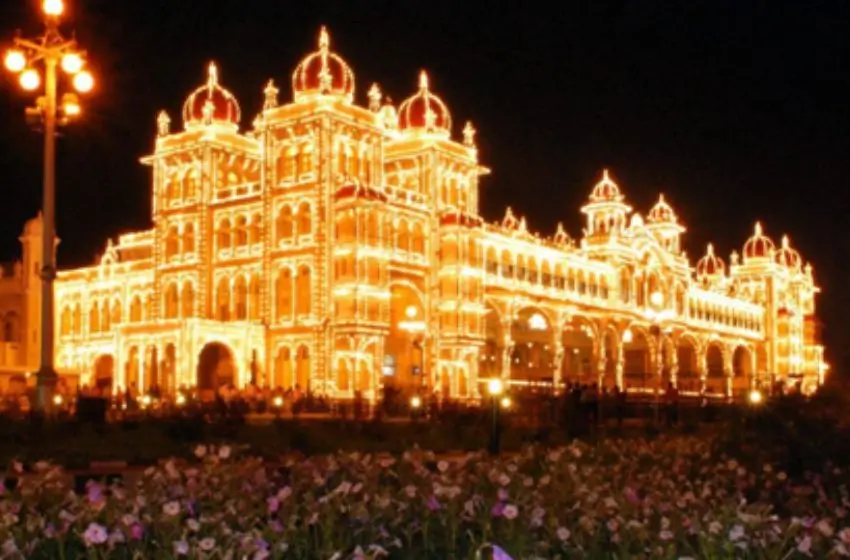
Imagine arriving in India during a time when every street is glowing with lights, homes are decorated beautifully, markets are full of energy, and the atmosphere feels magical. This is what the Diwali festival in India looks like. Often called the festival of lights, Diwali is one of the most important celebrations in the country, and for foreign tourists, it offers a completely different cultural experience compared to any other festival.
Diwali represents the victory of light over darkness and good over evil. While the story behind it varies across regions, the central idea remains the same—celebration, positivity, and new beginnings. For travelers, this deeper meaning adds value to the experience because it is not just about watching decorations or fireworks; it is about understanding a tradition that has been followed for generations.
For foreign tourists visiting India during Diwali, the festival provides an opportunity to see the country at its most vibrant. Cities, towns, and even small villages come alive with lights, candles, and decorations. Homes are cleaned and decorated, people wear traditional clothes, and families come together to celebrate.
From a travel perspective, Diwali feels more organised and less chaotic compared to some other festivals. It is more about observation and participation within structured environments. Tourists often attend cultural events, visit temples, and enjoy festive dinners.
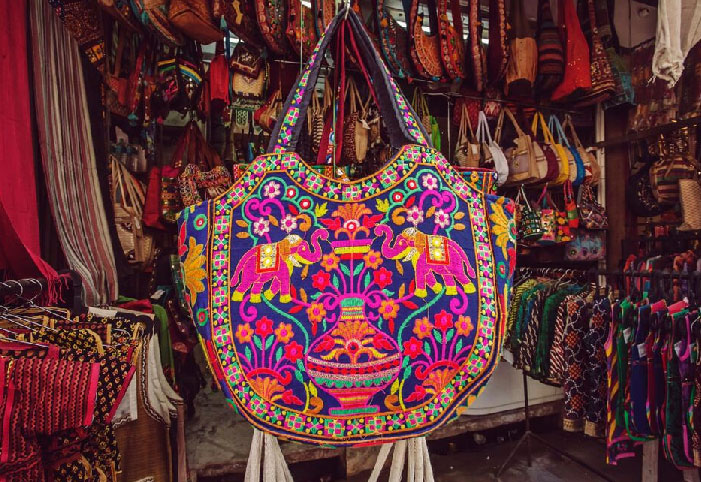
Markets play a huge role during Diwali. Shopping areas are filled with lights, decorations, and festive products. This creates a lively atmosphere that tourists find fascinating.
Using a private car with driver in India during Diwali is extremely useful because traffic can increase, and having a reliable transport option ensures smooth travel between locations.
Diwali is not just a festival—it is a complete cultural experience that combines tradition, beauty, and celebration in a way that feels welcoming for visitors.
Discover India at Its Brightest and Most Beautiful
Diwali is more than a festival—it's a celebration of light, joy, and togetherness. Explore India's rich traditions, visit iconic attractions, and immerse yourself in festive experiences.
Meaning and Cultural Importance of Diwali in India
Understanding the meaning behind the Diwali festival in India enhances the travel experience significantly. While the festival is visually stunning, its cultural and spiritual importance is what makes it truly special.
Diwali is associated with different stories across India, but the most widely known is the return of Lord Rama to his kingdom after defeating evil forces. To celebrate his return, people lit lamps to guide his way, symbolising the victory of good over evil. This tradition continues today in the form of lighting diyas and decorating homes.
For tourists, this meaning adds depth to the experience. It helps them understand why the festival is celebrated with such enthusiasm and emotion. It is not just about lights and fireworks—it is about values, beliefs, and traditions.
Another important aspect of Diwali is prosperity. Many people consider this time ideal for new beginnings, business activities, and financial decisions. Markets and shops are decorated beautifully, reflecting this sense of growth and positivity.
Families play a central role in Diwali celebrations. People travel long distances to be with their loved ones, and this creates a warm and welcoming atmosphere. For visitors, this sense of togetherness is often one of the most memorable parts of the festival.
Temples and religious places are also important during Diwali. Many travelers include temple visits in their itinerary to experience the spiritual side of the festival.
For tourists experiencing Diwali in India, understanding its meaning transforms the festival from a visual event into a meaningful cultural experience.
How Diwali is Celebrated – Real Experience for Visitors
Experiencing Diwali celebration in India is very different from simply reading about it. The festival usually lasts several days, with each day having its own significance and activities.
The main celebration takes place on the day of Diwali, when homes and streets are illuminated with lights and diyas. The atmosphere becomes festive as people decorate their homes with rangoli designs and colourful patterns.
Fireworks are one of the most noticeable aspects of Diwali. In the evening, the sky lights up with displays of fireworks, creating a visually stunning experience. For tourists, this can feel both exciting and overwhelming.
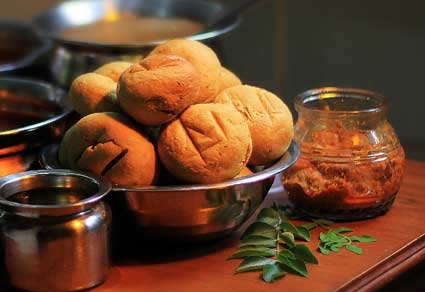
Food is another important part of the celebration. Families prepare special dishes and sweets, which are shared with friends and guests. Many visitors get the opportunity to taste traditional Indian festive food during this time.
Gift-giving is also common during Diwali. People exchange sweets, decorations, and other items as a gesture of goodwill. This creates a sense of generosity and connection.
For tourists, the experience depends on where they celebrate. In cities, Diwali feels grand and vibrant, while in smaller towns, it feels more traditional and intimate.
Using a private driver in India for tourists helps in exploring different parts of the city during Diwali without dealing with traffic and confusion.
Diwali is not just about watching—it is about feeling the atmosphere, understanding the traditions, and becoming part of the celebration.
Best Places to Celebrate Diwali in India for Tourists
Choosing the right destination is important for enjoying the Diwali festival travel in India.
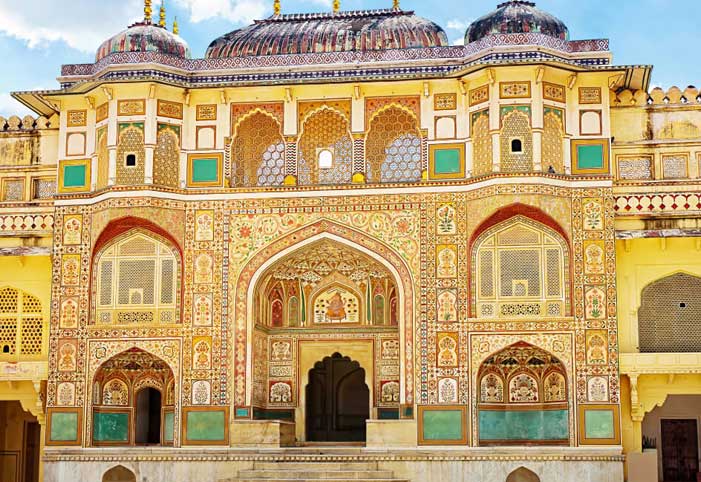
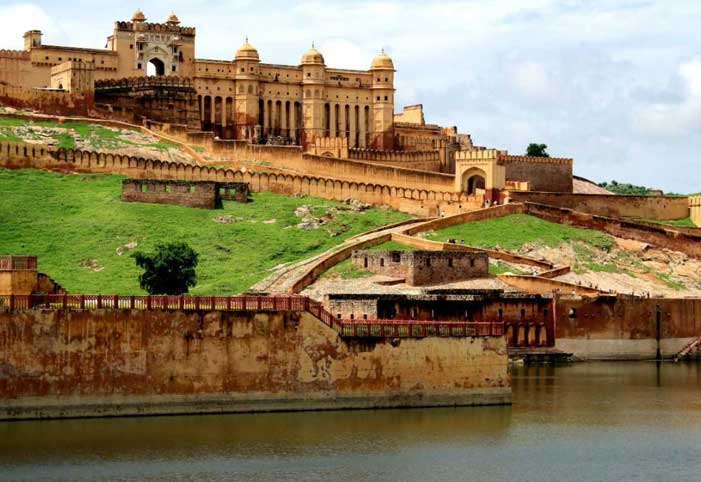
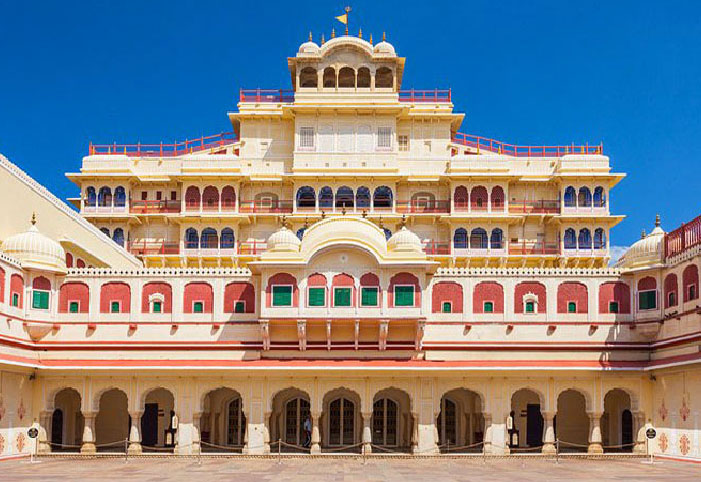
Jaipur is one of the best places to experience Diwali. The entire city is decorated with lights, especially markets and streets. The organised environment makes it comfortable for tourists.
Varanasi offers a more spiritual experience. The ghats along the river are beautifully lit, creating a peaceful and unique atmosphere.
Delhi provides a mix of traditional and modern celebrations. Tourists can attend events, visit markets, and enjoy festive activities.
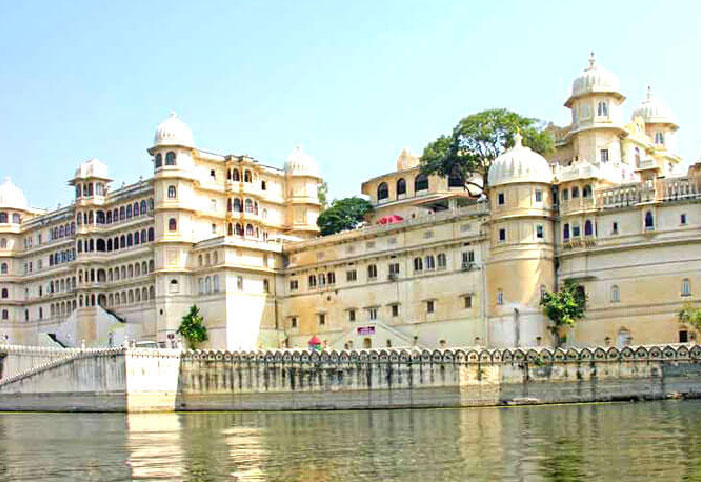
Udaipur offers a royal experience, with celebrations often taking place in palace settings.
Goa provides a different perspective, with local traditions and cultural events adding variety to the experience.
Traveling between these destinations becomes easier with a private car with driver in India, ensuring comfort and flexibility.
Choosing the right place ensures that your Diwali experience matches your expectations.
Experience the Magic of Diwali in India
Celebrate India's Festival of Lights with an unforgettable journey through its most vibrant cities and cultural landmarks. Witness beautifully illuminated streets, traditional ceremonies.
Travel Tips and Cost Planning for Diwali Trip
Planning your Diwali travel in India requires attention to detail.
Accommodation prices may increase during the festival, so booking in advance is important. Mid-range hotels typically cost $50–$120 per night, while luxury options can go higher.
Transport costs remain similar, with a private car with driver in India costing around $40–$70 per day.
Food expenses range between $10–$30 per day depending on your choice of dining.
Planning your itinerary in advance ensures that you can enjoy the festival without stress.
Avoid crowded areas during peak hours and choose organised events for a comfortable experience.
Respect local customs and traditions, especially when visiting temples or attending cultural events.
These small steps ensure that your Diwali journey remains smooth and enjoyable.