Golden Triangle in August – Is It Worth It? Real Weather Data, Crowd Levels & Smart Itinerary for Summer Travelers
Is August a Good Time for the Golden Triangle Tour? Complete Travel Guide
Travelers researching India’s most iconic circuit often default to winter months, assuming summer and monsoon are unsuitable for exploration. However, visiting the Golden Triangle in August presents a very different reality than common assumptions suggest. The classic route covering Delhi, Agra, and Jaipur transforms during late monsoon season into a landscape of dramatic skies, reduced crowds, and surprisingly competitive hotel rates.
August sits within India’s monsoon calendar, yet rainfall patterns across North India are typically intermittent rather than continuous. Instead of relentless downpours, travelers often encounter short bursts of rain followed by clear, humid afternoons. The result is washed monuments, cleaner air, and intensified color contrast across sandstone and marble structures.
Exploring the Golden Triangle tour in August requires smart itinerary planning rather than avoidance. Lower tourist density at major attractions such as the Taj Mahal and Amber Fort allows deeper appreciation without peak-season congestion. Additionally, premium hotels frequently adjust pricing during this period, creating access to luxury accommodations at more reasonable rates.
For travelers willing to plan strategically, August becomes not a compromise but a calculated advantage.
Real Weather Conditions in Delhi, Agra and Jaipur During August
Understanding realistic weather patterns is essential before evaluating the suitability of an August trip. Delhi, Agra, and Jaipur all experience monsoon influence, yet rainfall typically occurs in intervals rather than constant storms. Morning hours often remain clear, with showers developing later in the afternoon or evening.
Daytime temperatures usually range between warm and humid conditions, but they are significantly moderated compared to peak May and June heatwaves. Cloud cover reduces harsh sunlight, making monument exploration more comfortable than expected.
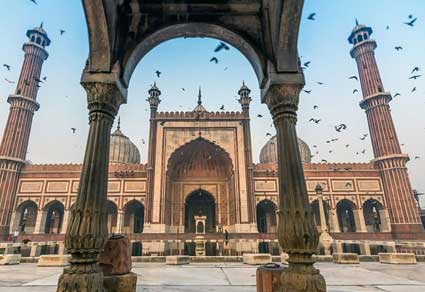
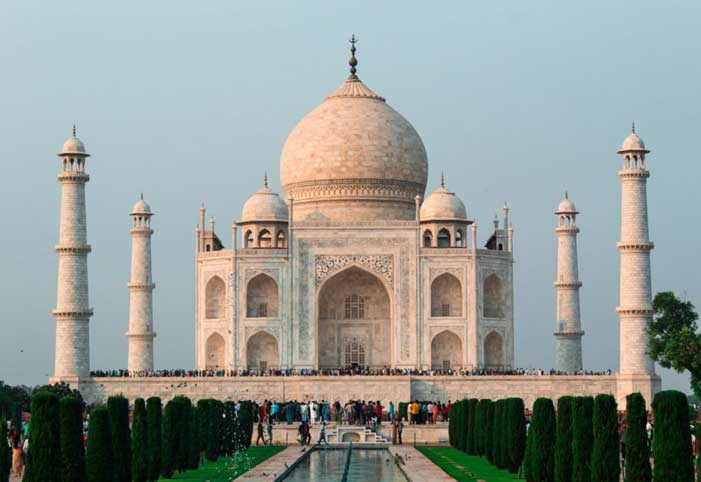
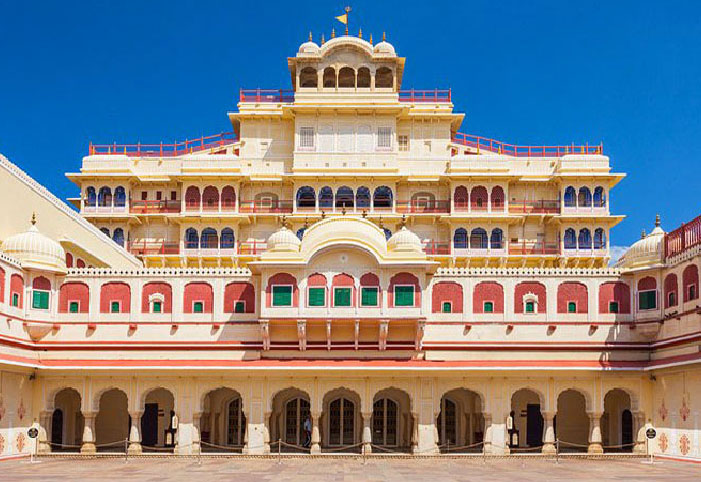
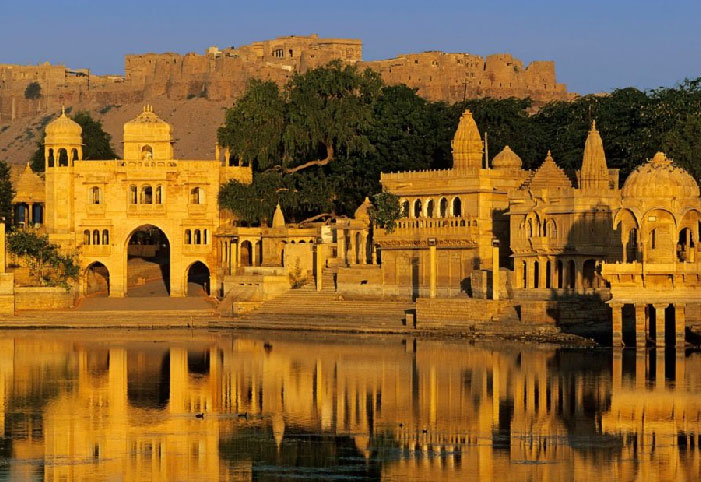
In Delhi, tree-lined avenues appear greener due to seasonal rainfall. In Agra, the Taj Mahal’s white marble gleams after showers wash away dust. Jaipur’s pink sandstone architecture contrasts dramatically against grey monsoon skies.
Travelers booking a Golden Triangle private car tour in August benefit from air-conditioned transport, ensuring comfort between sightseeing stops. Planning early morning monument visits avoids peak humidity periods.
Weather in August is manageable with light rain gear and flexible scheduling. It is rarely disruptive enough to cancel itineraries entirely.
Plan Your Golden Triangle Trip This August
Enjoy the beauty of Delhi, Agra, and Jaipur during the monsoon season with fewer crowds and refreshing weather. Book a private car with driver and explore India’s iconic destinations comfortably.
Crowd Levels at Taj Mahal and Major Monuments
One of the strongest advantages of visiting the Golden Triangle in monsoon season is reduced crowd density. Winter months witness heavy international and domestic tourist inflow, particularly at the Taj Mahal. August, by contrast, experiences noticeably lower visitor numbers outside national holidays.
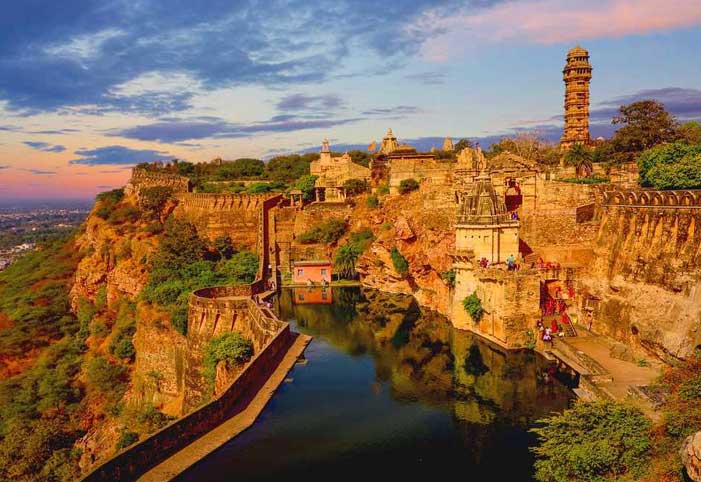
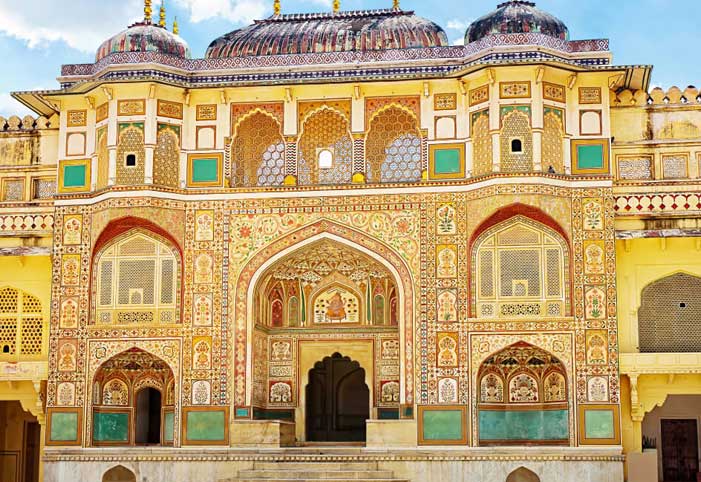
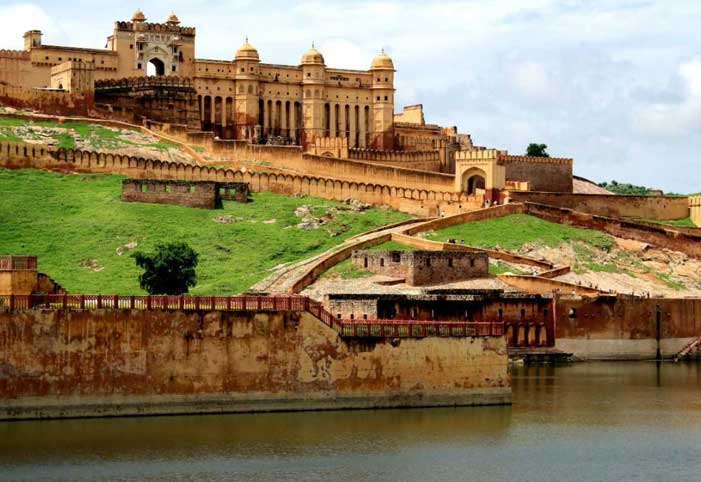
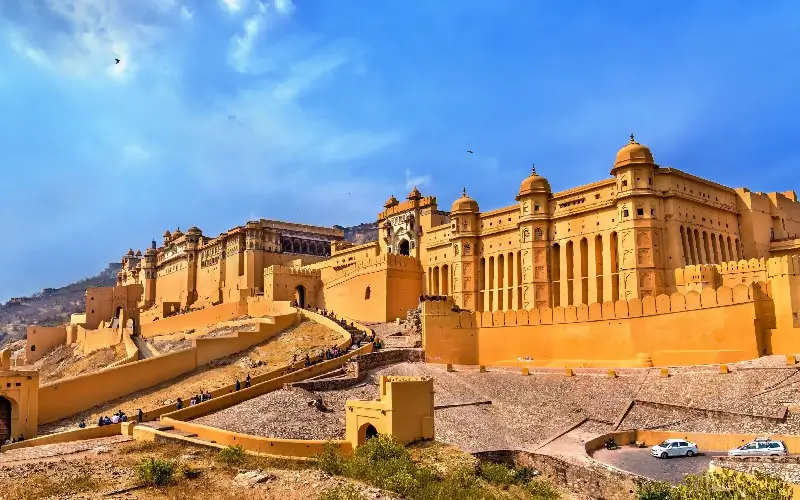
Shorter ticket queues and more open viewing areas improve photography opportunities. Capturing reflection shots at the Taj Mahal without dense crowds becomes easier. Amber Fort in Jaipur feels more spacious, allowing visitors to appreciate architectural details without rushing.
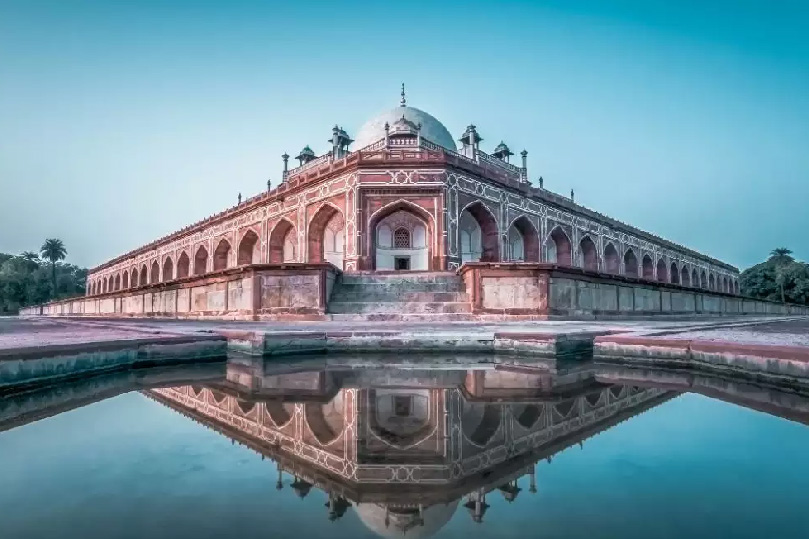
Delhi’s Humayun’s Tomb and Qutub Minar also experience moderate footfall compared to peak winter.
Lower crowd levels enhance not only comfort but also guide interaction. Licensed guides can provide more personalized attention when managing smaller groups.
For photographers and slow travelers, August presents a calmer monument experience rarely available in high season.
Hotel Pricing and Luxury Deals in August
August typically falls within off-peak pricing cycles for many North Indian hotels. Five-star properties in Delhi, Agra, and Jaipur frequently offer promotional rates during monsoon months. Travelers researching Golden Triangle hotel deals in August often discover significant price reductions compared to winter tariffs.
Lower occupancy results in better room category upgrades, flexible check-in times, and enhanced service personalization. Luxury palace hotels in Jaipur, which command premium rates in December, may become more accessible during late monsoon.
Boutique hotels and heritage properties also introduce seasonal packages that include breakfast, spa credits, or airport transfers.
Travelers booking a Golden Triangle luxury tour in August can therefore elevate accommodation standards without proportionally increasing overall budget.
Cost efficiency becomes one of August’s strongest strategic benefits.
Explore India’s Golden Triangle in the Rainy Season
Travel through Delhi, Agra, and Jaipur during August and enjoy lush landscapes, peaceful attractions, and a refreshing travel experience. Book your private driver today for a smooth and comfortable journey.
Smart Itinerary Planning for August Travel
Planning a successful August itinerary requires strategic timing rather than avoidance of outdoor activities. Early morning monument visits allow cooler conditions and clearer skies before afternoon showers develop.
Midday hours can be reserved for indoor attractions such as museums, palace interiors, and curated shopping experiences. Evenings often clear up after rainfall, offering pleasant rooftop dining opportunities.
A private chauffeur Golden Triangle tour allows real-time schedule adjustments if unexpected rain occurs. Professional drivers coordinate alternate routes or timing shifts without disrupting the journey.
Including buffer time between cities ensures stress-free transfers during occasional heavy showers.
Flexibility remains the key to maximizing comfort during August travel.
Photography Advantages of Monsoon Skies
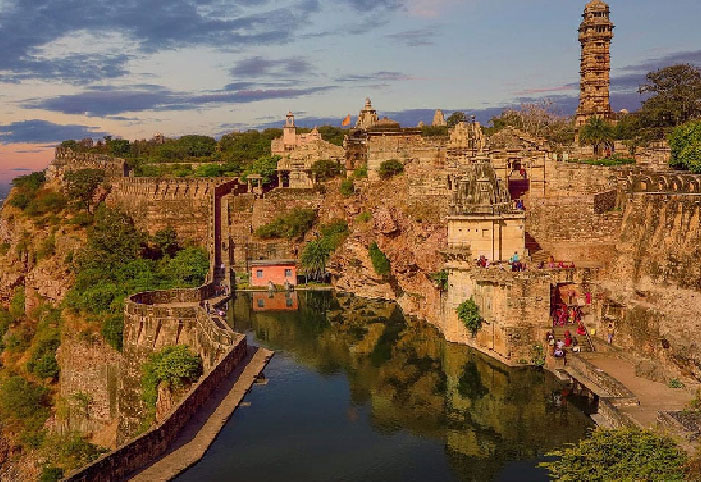
August skies often feature dramatic cloud formations that elevate monument photography. The Taj Mahal’s white marble contrasts beautifully against darker clouds, creating striking compositions. Jaipur’s Amber Fort appears more cinematic under diffused lighting conditions.
Monsoon rain washes away dust particles, improving clarity and color saturation. Gardens surrounding monuments appear greener, enhancing visual depth.
Professional photographers often prefer overcast skies for softer lighting without harsh shadows.
Travelers seeking unique perspectives may find August more visually rewarding than peak winter’s clear but flatter skies.
Who Should Consider Golden Triangle in August
Travelers prioritizing budget efficiency, reduced crowds, and atmospheric photography benefit most. Couples seeking quieter monument experiences and luxury hotel upgrades also gain advantage.
However, travelers intolerant of humidity may prefer winter months.
Families with flexible schedules can comfortably manage August travel with smart planning.