Golden Triangle Itinerary for First-Time Visitors
The Perfect Golden Triangle Itinerary for First-Time Visitors
For first-time visitors to India, nothing captures the country’s essence better than the Golden Triangle Tour, which connects the three most iconic cities: Delhi, Agra, and Jaipur. Together, these destinations offer the perfect introduction to India’s history, culture, food, and architecture. From the majestic Taj Mahal in Agra to the royal Amber Fort in Jaipur and the bustling bazaars of Old Delhi, the Golden Triangle is a journey into India’s vibrant soul.
But how many days should you dedicate to this tour? The truth is, it depends on your pace, travel style, and interests. Some travelers want a quick introduction in 5 days, while others prefer a slower pace with deeper cultural immersion in 7 or 10 days. In this guide, we will break down 5-day, 7-day, and 10-day Golden Triangle itineraries, explain their differences, and provide expert travel tips for making the most of your journey.
Why the Golden Triangle is the Best First Trip to India
For anyone visiting India for the first time, the Golden Triangle is often considered the most rewarding route. It combines three of India's most famous destinations - Delhi, Agra, and Jaipur - into one well-connected journey that showcases the country's history, architecture, cuisine, and culture.
Unlike longer itineraries that require domestic flights and extensive planning, the Golden Triangle can be comfortably explored by road within a week. The highways between the cities are well maintained, making travel convenient, especially with a private car and driver.
Another reason this route is ideal for first-time visitors is the variety of experiences it offers. In Delhi, travelers witness the contrast between Mughal monuments and modern city life. Agra introduces the timeless beauty of the Taj Mahal and Mughal heritage, while Jaipur offers magnificent forts, royal palaces, colorful markets, and authentic Rajasthani traditions.
Whether you are traveling as a couple, family, solo traveler, or senior visitor, the Golden Triangle provides a balanced introduction to India without feeling rushed or overwhelming.
The Essence of the Golden Triangle
The Golden Triangle covers around 720 km by road, forming a triangle between the national capital Delhi, the Mughal capital Agra, and the Rajput capital Jaipur. Each city offers a distinct experience:
- Delhi: A blend of old-world charm and modern energy. From Mughal-era monuments like the Red Fort to colonial structures like India Gate, Delhi is history layered over centuries.
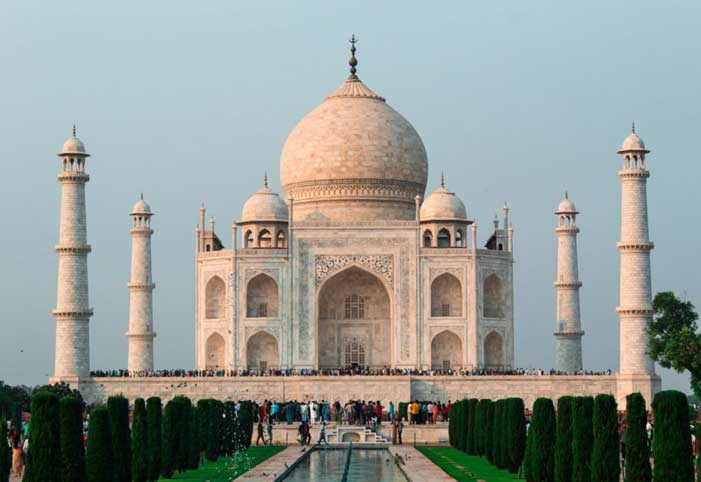
- Agra: Once the seat of the Mughal Empire, Agra is home to the Taj Mahal, Agra Fort, and Fatehpur Sikri. It reflects the grandeur of Islamic art and architecture.
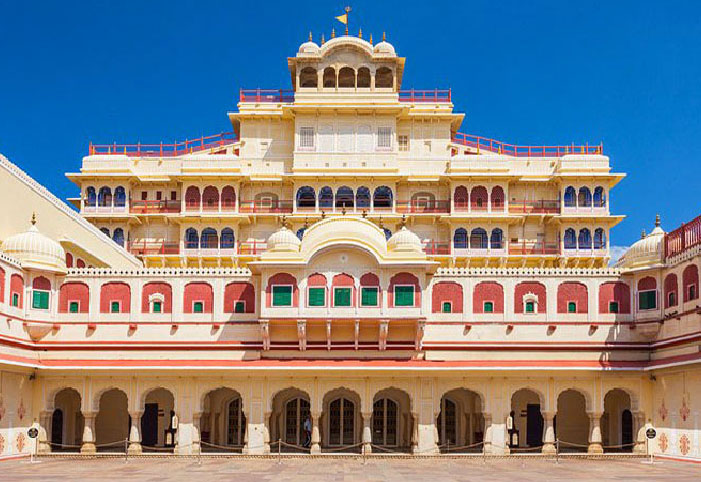
- Jaipur: Known as the Pink City, Jaipur is Rajasthan’s gateway to royal culture. Its forts, palaces, bazaars, and folk traditions reflect the pride of Rajputana heritage.
The combination of these cities ensures that even in a short time, travelers get a balanced taste of India’s diversity.
Golden Triangle in 5 Days – The Quick Introduction
A 5-day Golden Triangle Tour is ideal for those with limited time, such as business travelers or tourists on a short holiday.
- Day 1: Delhi Arrival & Sightseeing
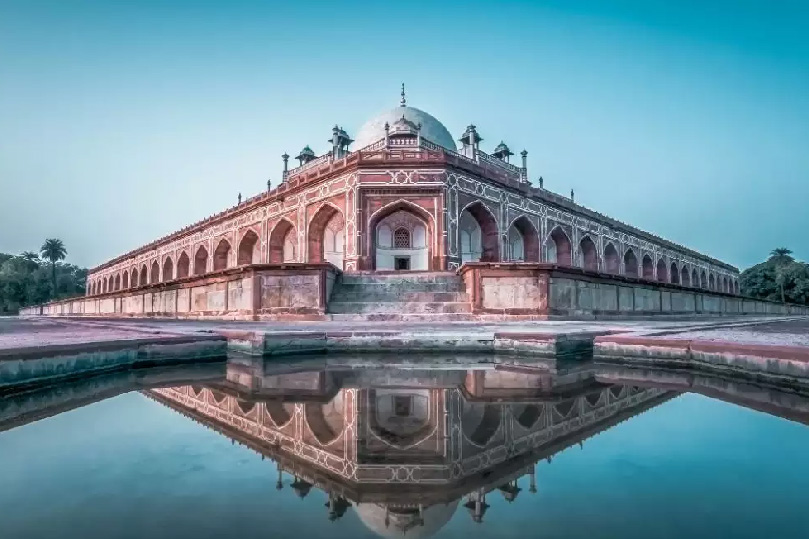
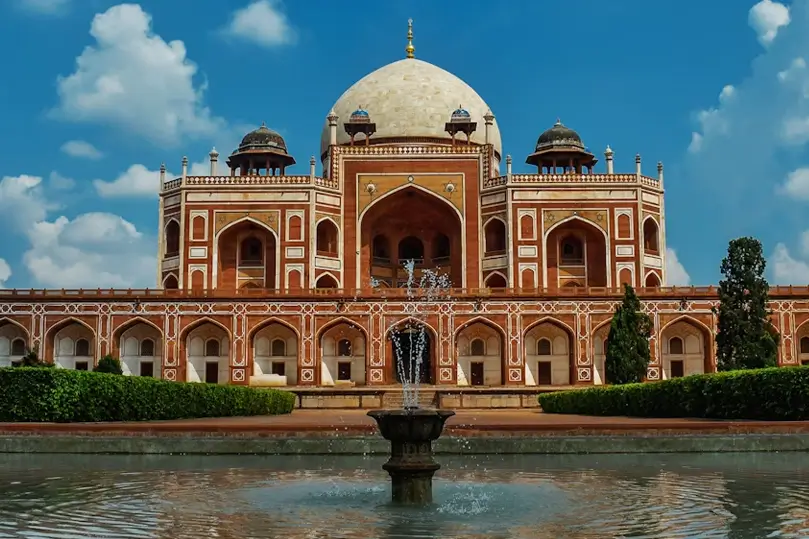
- Start with a city tour covering India Gate, Humayun’s Tomb, Qutub Minar, and Lotus Temple. Evening walk through Connaught Place.
- Day 2: Old Delhi & Drive to Agra
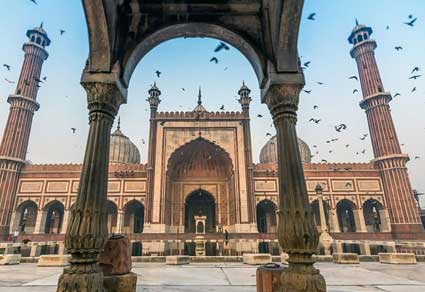
- Morning rickshaw ride in Chandni Chowk, visit Jama Masjid, then drive to Agra (3.5 hrs). Sunset view of the Taj Mahal from Mehtab Bagh.
- Day 3: Taj Mahal & Agra Fort
- Sunrise visit to the Taj Mahal, followed by Agra Fort and Itmad-ud-Daulah. Afternoon drive to Jaipur via Fatehpur Sikri.
- Day 4: Jaipur Sightseeing
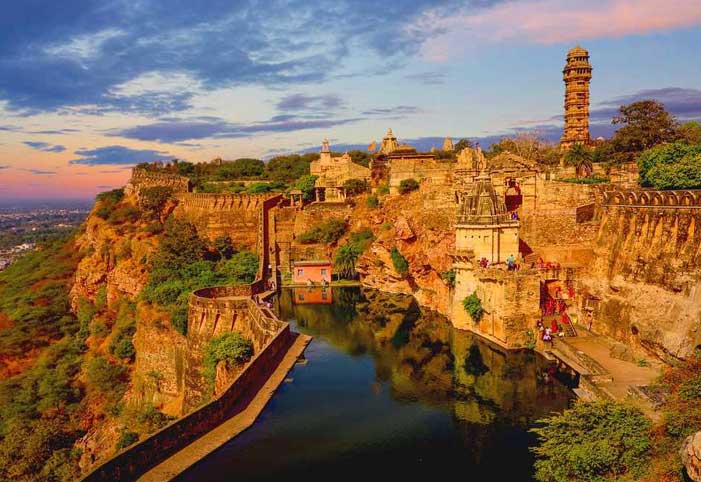
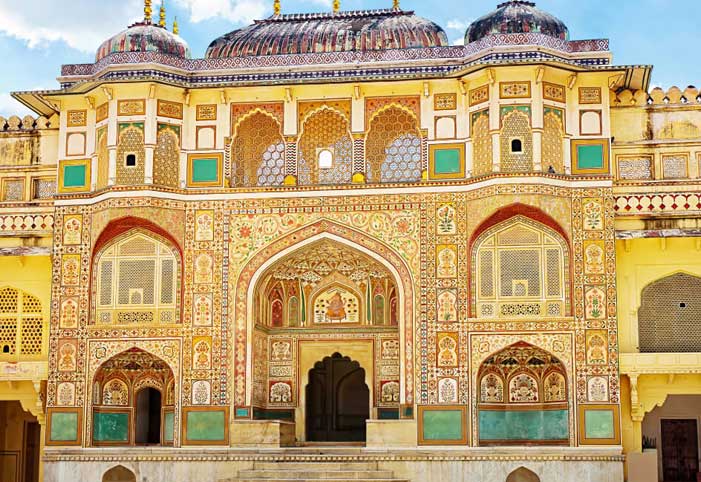
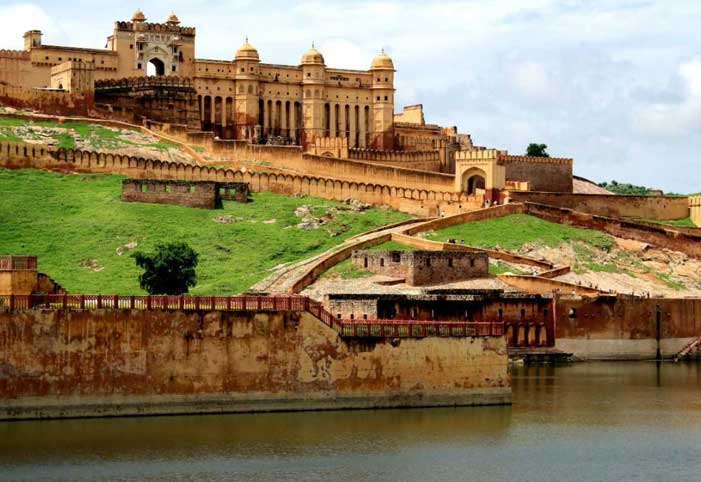
- Explore Amber Fort, City Palace, Jantar Mantar, Hawa Mahal. Evening shopping in Johari Bazaar.
- Day 5: Return to Delhi
- Morning free for souvenirs. Drive back to Delhi for departure.
This short itinerary focuses on highlights only. Perfect for travelers who want a taste of India without long commitments.
Golden Triangle in 7 Days – The Balanced Journey
A 7-day Golden Triangle itinerary allows for a more relaxed pace and deeper exploration.
- Day 1–2: Delhi
- Cover New Delhi’s highlights (India Gate, President’s House, Qutub Minar) on Day 1. Dedicate Day 2 to Old Delhi’s Red Fort, Chandni Chowk, Raj Ghat, and Akshardham Temple.
- Day 3: Delhi to Agra
- Morning drive to Agra. Explore Taj Mahal, Agra Fort, Mehtab Bagh, and enjoy a Mughlai dinner.
- Day 4: Agra to Jaipur via Fatehpur Sikri
- Stop at Fatehpur Sikri, a UNESCO site with red sandstone palaces. Reach Jaipur by evening.
- Day 5–6: Jaipur
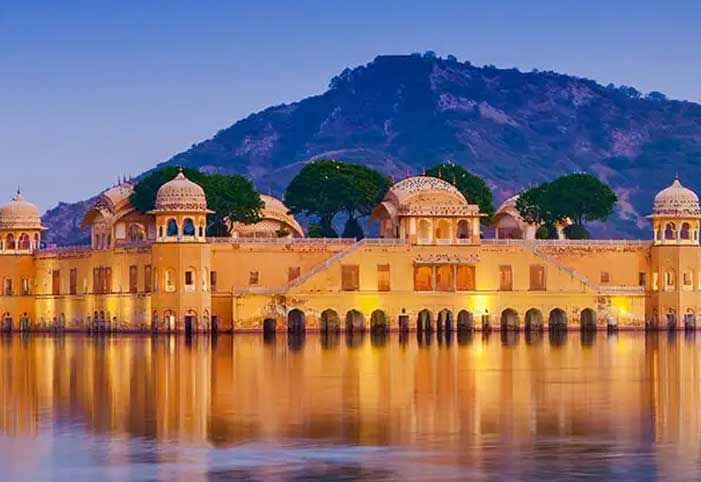
- One full day for Amber Fort, Jal Mahal, Nahargarh Fort, and another for City Palace, Jantar Mantar, Hawa Mahal, and local markets. Optionally attend a cultural show at Chokhi Dhani.
- Day 7: Return to Delhi
- Drive or fly back for departure.
This version is best for first-time visitors who want comfort + sightseeing without rushing.
Golden Triangle in 10 Days – The Immersive Experience
For travelers who want to explore beyond highlights, the 10-day Golden Triangle itinerary is ideal.
Day 1–3: Delhi
Cover both Old and New Delhi, but add niche experiences like a food tour in Chandni Chowk, Lodhi Gardens, and museum visits (National Museum, Gandhi Museum).
Day 4–5: Agra
Spend an extra day in Agra to explore beyond Taj Mahal. Visit Fatehpur Sikri, Itmad-ud-Daulah, and Akbar’s Tomb in Sikandra. Add Chambal River Safari or Bharatpur Bird Sanctuary for a unique experience.
Day 6–8: Jaipur
Along with Jaipur’s must-see sites, include heritage walks in the walled city, block printing workshops, or a hot-air balloon ride. Day trip to Ajmer & Pushkar for temples, ghats, and camel culture.
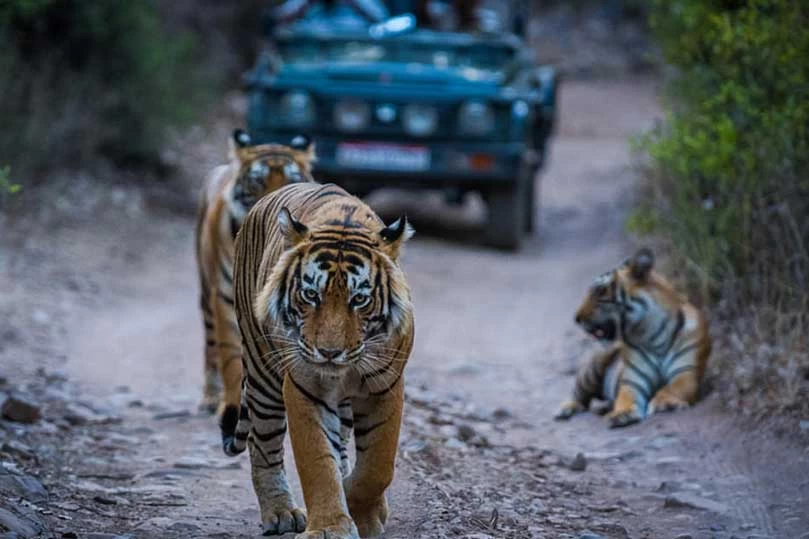
Day 9: Ranthambore Safari
Add a detour to Ranthambore National Park for a tiger safari. It combines wildlife with cultural sightseeing.
Day 10: Return to Delhi
Drive back or take a train/flight.The 10-day itinerary is perfect for those who want immersion, authentic experiences, and flexibility.
Best Time to Visit the Golden Triangle
Although the Golden Triangle can be visited throughout the year, choosing the right season makes a significant difference to your overall experience.
October to March – Peak Travel Season
This is considered the best time to visit Delhi, Agra, and Jaipur. Daytime temperatures remain pleasant, making sightseeing comfortable. Winter mornings also provide excellent opportunities to witness the Taj Mahal at sunrise and enjoy outdoor attractions such as Amber Fort or India Gate without excessive heat.
April to June – Summer Season
Temperatures can rise above 40°C, especially in Jaipur and Agra. Travelers who choose this season should begin sightseeing early in the morning and spend afternoons relaxing at their hotels. Luxury hotels with pools and air-conditioned vehicles become particularly valuable during summer.
July to September – Monsoon
The monsoon transforms gardens and countryside into lush green landscapes while reducing tourist crowds. Occasional rainfall may interrupt outdoor sightseeing, but hotel prices are generally lower, making this season attractive for budget-conscious travelers.
|
Season |
Weather |
Best For |
| October–March | Pleasant & Cool | Sightseeing, Photography |
| April–June | Hot & Dry | Budget Travelers |
| July–September | Green & Rainy | Fewer Crowds |
Comparing 5, 7, and 10 Days – Which One is for You?
- 5 Days: Quick intro, highlights only. Ideal for busy travelers.
- 7 Days: Balanced, comfortable pace with time for both sightseeing and relaxation.
- 10 Days: In-depth exploration with side trips and cultural immersion.
For most first-time visitors, 7 days is the sweet spot. But if you want to truly absorb India’s culture, then 10 days is unmatched.
Private Car vs Train vs Flight – Which is Better?
Choosing the right mode of transport has a major impact on your Golden Triangle experience.
A private car with an experienced driver remains the most popular option for international tourists because it provides complete flexibility. Travelers can stop at historical sites such as Fatehpur Sikri, Abhaneri Stepwell, or local villages without worrying about train schedules or luggage transfers.
Trains are affordable and relatively fast, but delays, crowded stations, and fixed departure times can reduce convenience, especially for first-time visitors.
Flights are available between Delhi and Jaipur but are generally unnecessary because road distances are manageable. After airport transfers and security checks, flying often takes nearly as much time as driving.
Group tours are economical but operate on fixed schedules with limited flexibility. Travelers often spend less time at attractions than they would prefer.
For families, couples, photographers, and senior travelers, a private chauffeur-driven car offers the best balance of comfort, safety, and convenience.
Hidden Gems Between Delhi, Agra & Jaipur
Most travelers visit only the famous monuments, but several lesser-known attractions along the Golden Triangle route deserve equal attention. These places add variety to the journey and provide a deeper understanding of India's culture and history.
Chand Baori, Abhaneri
One of India's deepest and most impressive stepwells, Chand Baori features thousands of perfectly symmetrical steps dating back over a thousand years. It makes an excellent stop while traveling between Agra and Jaipur.
Fatehpur Sikri
Although often treated as a quick stop, Fatehpur Sikri deserves several hours of exploration. The abandoned Mughal capital contains beautifully preserved palaces, courtyards, and the magnificent Buland Darwaza.
Keoladeo National Park
Located near Bharatpur, this UNESCO-listed bird sanctuary is home to hundreds of migratory bird species and is ideal for nature lovers and photographers.
Neemrana Fort Palace
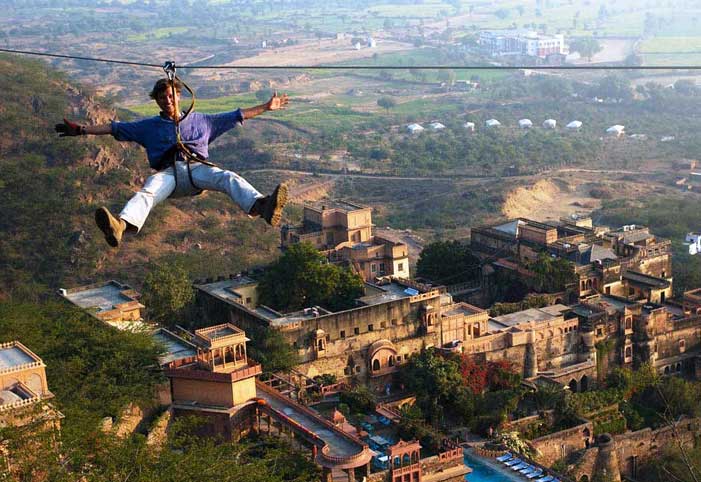
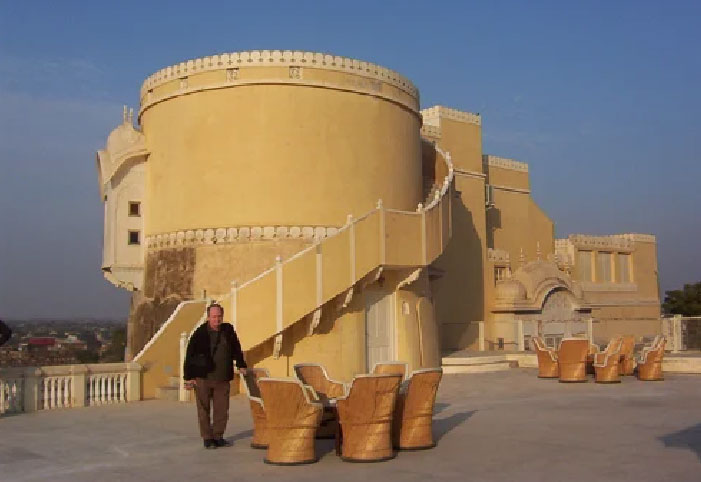
Situated between Delhi and Jaipur, Neemrana Fort Palace combines history with luxury. Visitors can enjoy lunch, heritage walks, and panoramic views without spending the night.
Including one or two of these destinations makes the Golden Triangle itinerary more unique and less tourist-focused.
Travel Tips for Golden Triangle Visitors
- Best season: October to March (cool and pleasant).
- Transport: A private car & driver is the most comfortable and flexible way to travel between cities.
- Hotels: Opt for heritage hotels in Jaipur, palace stays in Udaipur (if extended), and modern luxury in Delhi.
- Safety: The route is safe for foreigners, including solo women travelers.
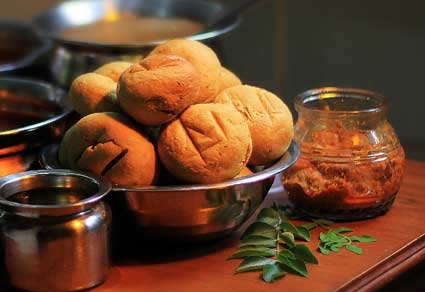
- Food: Try Delhi street food, Agra’s petha, and Jaipur’s dal baati churma.
Common Mistakes First-Time Visitors Should Avoid
Many travelers try to include too many attractions in a single day, leaving little time to appreciate each destination. Instead of rushing, focus on quality experiences and allow time for local markets, traditional food, and relaxing evenings.
Another common mistake is underestimating travel time. Although highways are excellent, city traffic - especially in Delhi - can increase journey duration. Starting early each morning helps avoid congestion and makes sightseeing more enjoyable.
Some visitors also forget to book Taj Mahal entry tickets in advance during peak season. Pre-booking not only saves time but also reduces the risk of missing preferred entry slots.
Finally, many tourists rely entirely on public transport. While trains and taxis are available, a private driver provides greater flexibility, better safety, and the opportunity to stop at scenic viewpoints or hidden attractions along the way.
The Golden Triangle is more than a route – it is a journey into India’s past, present, and future. Whether you choose a 5-day whirlwind tour, a 7-day balanced itinerary, or a 10-day immersive adventure, your experience will be unforgettable.
With India Trip Driver, you can enjoy a seamless journey with private cars, experienced drivers, and custom itineraries tailored to your pace. From sunrise at the Taj Mahal to the royal forts of Jaipur, we make sure you experience the Golden Triangle in comfort and style.
Plan your Golden Triangle Tour with India Trip Driver today and let us design the perfect journey for your first visit to India.