Golden Triangle Tour Cost by Car with Driver - Delhi Agra Jaipur Price Guide
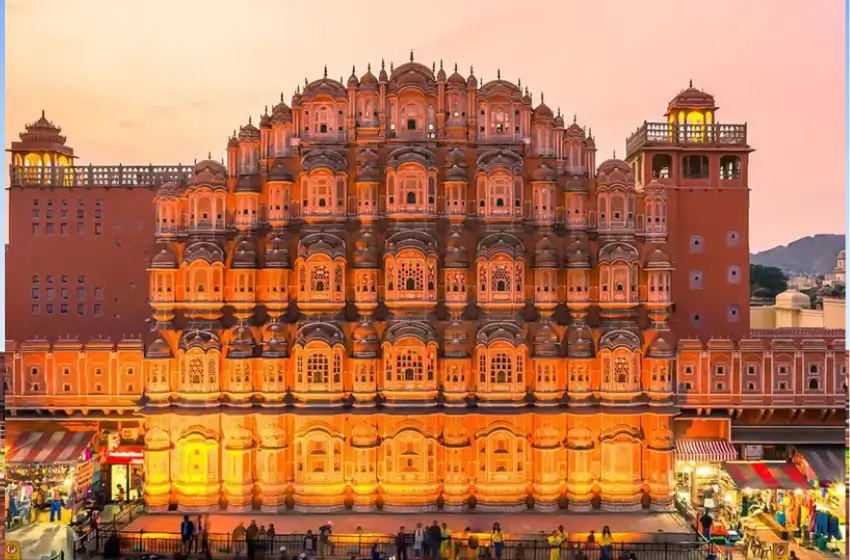
How the Golden Triangle Route Shapes Travel Costs Across Delhi, Agra and Jaipur
The Golden Triangle route, connecting Delhi, Agra, and Jaipur, is widely recognised as the most structured and accessible travel circuit in North India. While the route itself is fixed geographically, the cost of travelling through it can vary significantly depending on travel style, vehicle choice, duration, and level of comfort expected. Understanding the Golden Triangle tour cost by car with driver requires more than just looking at distance; it involves analysing how each segment of the journey contributes to the overall budget.
The total distance of the Golden Triangle circuit is approximately 700 to 800 kilometres when covered by road. The journey typically begins in Delhi, moves to Agra via the Yamuna Expressway, and then continues to Jaipur before returning to Delhi. Each of these segments has its own cost implications. For instance, the Delhi to Agra stretch is relatively fast due to expressway conditions but includes toll charges that must be factored into the total cost. Similarly, the Agra to Jaipur segment often includes optional stops such as Fatehpur Sikri, which can extend travel time and influence expenses.
Travelling by a private car with driver Golden Triangle route introduces a level of flexibility that directly affects cost. Unlike fixed packages, a private car allows travellers to adjust their itinerary, include additional stops, or extend their stay in certain cities. While this flexibility enhances the travel experience, it also means that pricing is not standardised and must be calculated based on actual usage.
Another important factor is travel duration. A shorter itinerary, such as three or four days, tends to concentrate costs into a tighter timeframe, while longer itineraries spread expenses over more days but may include additional accommodation and driver allowance charges. The choice between these options depends on the traveller’s priorities—whether they prefer a faster overview or a more relaxed exploration.
The Delhi Agra Jaipur car tour cost is also influenced by seasonal demand. During peak travel periods, vehicle availability may be limited, leading to higher pricing. Conversely, off-peak travel can offer better rates but may come with other considerations such as weather conditions.
Understanding how these elements interact provides a clearer picture of the total cost structure. Rather than viewing the Golden Triangle as a single journey, it is more accurate to see it as a combination of interconnected segments, each contributing to the overall budget.
Get the Best Golden Triangle Tour Package
Explore Delhi, Agra, and Jaipur with a private car and experienced driver. Enjoy a comfortable journey, flexible itinerary, and transparent pricing while visiting India's most famous cultural and historical attractions.
Detailed Vehicle Pricing Comparison for Golden Triangle Tour by Private Car with Driver
One of the most significant components of the Golden Triangle car hire cost with driver is the choice of vehicle. Different vehicle categories come with varying price ranges, comfort levels, and suitability for different types of travellers.
Sedan vehicles, such as Swift Dzire and Toyota Etios, are the most economical option. The pricing typically ranges between ₹10 to ₹12 per kilometre. For a complete Golden Triangle journey covering approximately 750 kilometres, the base cost for a sedan usually falls between ₹7,500 and ₹9,500. This makes sedans a practical choice for solo travellers or couples who prioritise budget over space.
SUV vehicles, particularly Toyota Innova, are the most commonly recommended option for this route. The SUV Golden Triangle tour cost by car with driver typically ranges between ₹14 to ₹18 per kilometre, bringing the total cost to approximately ₹11,000 to ₹16,000. These vehicles offer more space, better suspension, and enhanced comfort, making them ideal for families and small groups.
For travellers seeking a premium experience, luxury vehicles such as Toyota Camry or Mercedes-Benz are available. These vehicles provide superior comfort, advanced features, and a more refined travel experience. However, the cost can exceed ₹25,000 to ₹40,000 for the entire journey, depending on the model and duration.
Tempo travellers are another option for larger groups. While they offer increased seating capacity, they may not provide the same level of comfort as smaller vehicles, particularly on long drives.
In addition to base fares, travellers must also consider driver allowance, which typically ranges between ₹300 to ₹500 per day. For a multi-day trip, this can add a noticeable amount to the total cost. Toll charges across the route can range between ₹800 to ₹1,200, depending on the exact roads used.
Choosing the right vehicle involves balancing cost, comfort, and group size. A well-informed decision ensures that the Golden Triangle private car travel cost aligns with both budget and expectations.
Accommodation, Food and Entry Fee Costs That Influence the Overall Budget
While transportation forms a significant part of the budget, accommodation, food, and entry fees also play a crucial role in determining the total Golden Triangle tour price breakdown. These elements can vary widely depending on travel preferences and significantly impact the overall cost.
Accommodation costs differ across cities and hotel categories. Budget hotels typically range from ₹1,500 to ₹3,000 per night, offering basic amenities suitable for short stays. Mid-range hotels, which are the most popular choice among international travellers, range from ₹4,000 to ₹8,000 per night and provide a balance between comfort and affordability. Luxury hotels, particularly in Jaipur and Delhi, can exceed ₹10,000 per night and offer premium services, including guided tours and curated experiences.
Food expenses also vary depending on dining preferences. Local restaurants and street food options can be very affordable, while fine dining establishments in cities like Delhi and Jaipur can significantly increase daily expenses. On average, travellers can expect to spend between ₹800 to ₹2,500 per person per day on food.
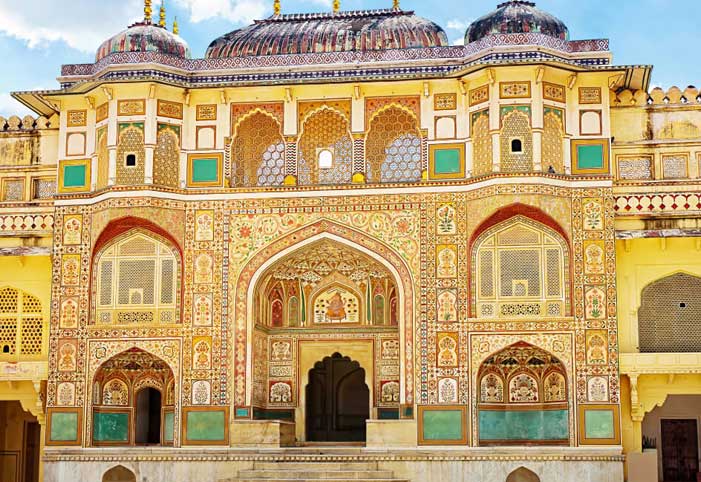
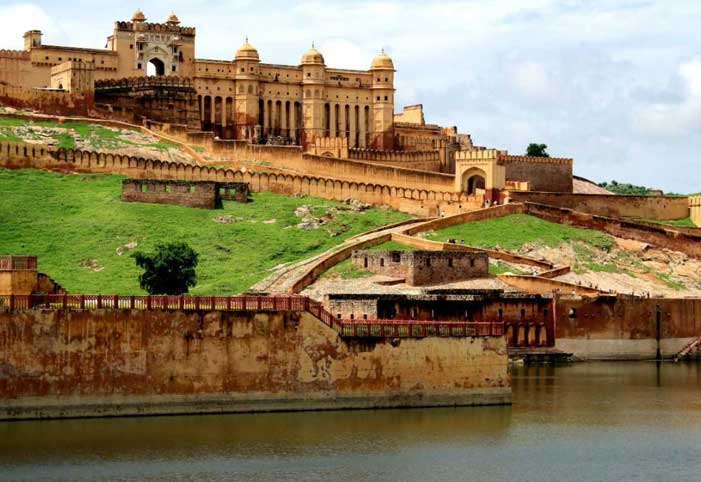
Entry fees for major attractions are another important consideration. Sites such as the Taj Mahal, Agra Fort, and Amber Fort have different pricing structures for domestic and international visitors. These fees can add up, especially for travellers visiting multiple sites.
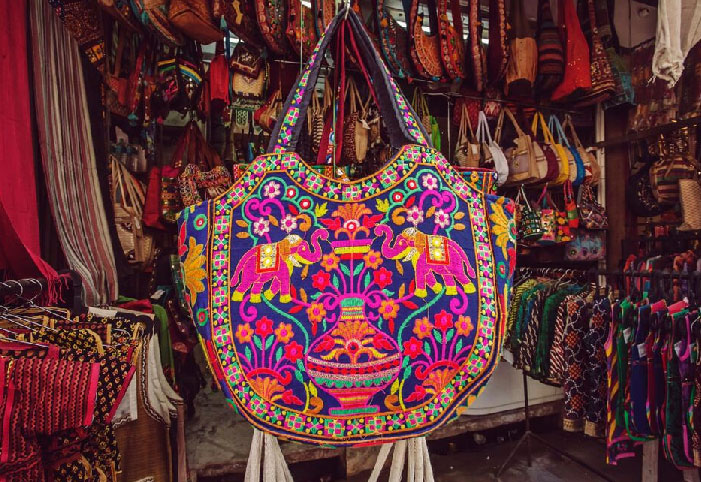
Additional expenses may include guide services, shopping, and optional activities. Hiring a local guide at major monuments can enhance the experience but adds to the cost. Shopping in markets such as Jaipur’s bazaars can also contribute to the overall budget.
Understanding these cost components helps travellers create a realistic budget for their Delhi Agra Jaipur travel cost by car with driver, ensuring that there are no unexpected surprises during the journey.
Plan Your Golden Triangle Holiday with Confidence
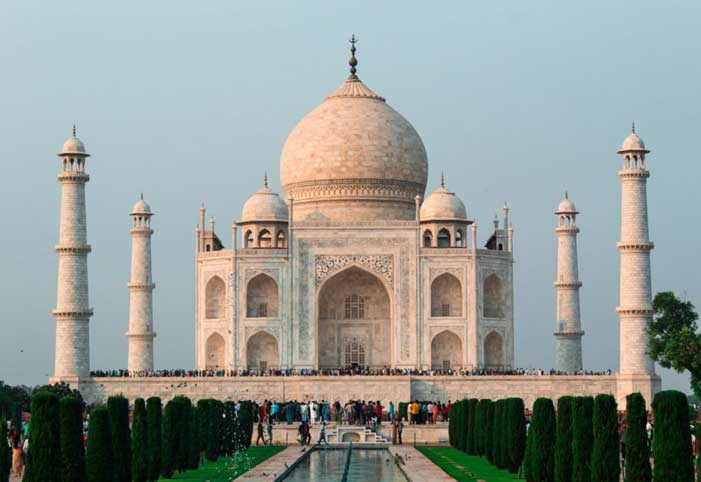
Discover the charm of Delhi, the beauty of the Taj Mahal in Agra, and the royal heritage of Jaipur on a private tour. Travel at your own pace with a dedicated driver and enjoy a memorable journey tailored to your preferences.
How to Optimise Your Golden Triangle Travel Budget Without Compromising Experience
Managing the Golden Triangle tour cost by private car effectively requires a strategic approach that balances cost-saving measures with maintaining a high-quality travel experience. One of the most effective ways to optimise costs is by choosing the right combination of vehicle and accommodation.
Selecting a sedan instead of an SUV can significantly reduce transportation costs, particularly for smaller groups. Similarly, opting for mid-range hotels instead of luxury properties can provide substantial savings without compromising comfort.
Travel timing also plays a crucial role. Booking in advance can help secure better rates for both vehicles and accommodation. Additionally, travelling during off-peak periods can reduce costs, although this may require adjusting expectations regarding weather conditions.
Another important factor is itinerary planning. Avoiding unnecessary detours and focusing on key attractions can help reduce both travel time and expenses. Efficient planning ensures that the journey remains smooth and cost-effective.
Travelling by a private car with driver Golden Triangle budget planning allows for flexibility in managing expenses. Unlike fixed packages, travellers can adjust their plans based on budget constraints and personal preferences.
By combining smart planning with informed decision-making, travellers can optimise their budget while still enjoying a comprehensive and comfortable Golden Triangle experience.