Holi vs Diwali - Which Festival Should You Experience in India?
Understanding Holi vs Diwali – Two Completely Different Travel Experiences
Imagine planning your first trip to India and coming across two of the most famous festivals—Holi festival in India and Diwali festival in India. Both are globally recognised, both attract international travelers, and both promise unforgettable experiences. But when it comes to actually choosing one, many tourists feel confused because these festivals are completely different in nature, atmosphere, and travel experience. Understanding the difference between Holi vs Diwali travel experience in India is essential if you want your trip to match your expectations.
Holi is a festival of colours, energy, and participation. It is chaotic in a joyful way, where people throw colours, dance on the streets, and celebrate with complete freedom. It breaks social barriers and creates a sense of equality where everyone participates together. For tourists, Holi feels like stepping into a living celebration where you are not just watching but actively involved. The entire experience is physical, interactive, and full of movement.
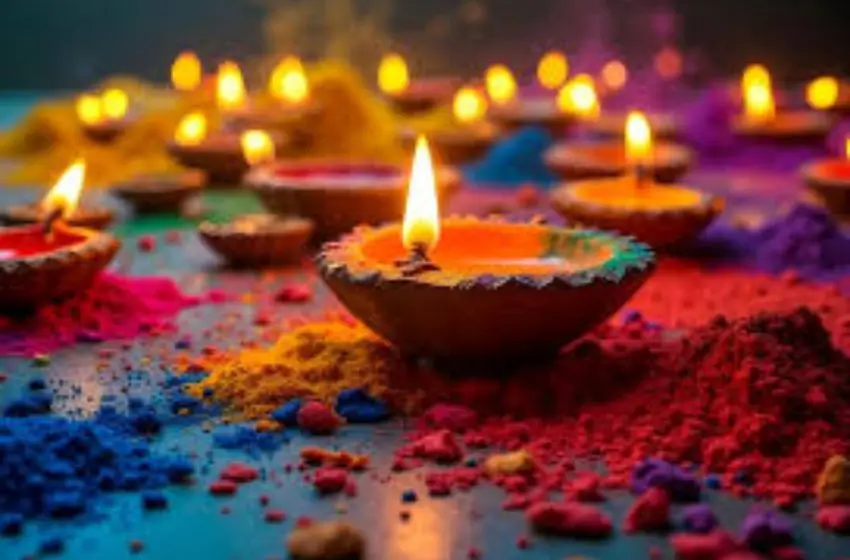
Diwali, on the other hand, is a festival of lights, elegance, and tradition. It is more structured and visually beautiful, with homes decorated with lamps, cities glowing with lights, and families celebrating together. Unlike Holi, Diwali is less about public interaction and more about cultural observation and participation in organised environments. Tourists experience Diwali through visiting decorated streets, attending cultural events, and enjoying festive dinners.
From a travel perspective, the difference becomes even clearer. Holi requires a more adventurous mindset. You need to be ready to get messy, interact with crowds, and embrace unpredictability. Diwali, however, offers a more comfortable and controlled experience, making it suitable for travelers who prefer organised celebrations.
Timing also plays a role. Holi is celebrated in spring, when the weather is pleasant, while Diwali takes place later in the year, often during cooler evenings. This affects travel planning, clothing, and overall comfort.
Using a private car with driver in India during both festivals helps manage travel more efficiently, but the need becomes more critical during Holi due to the unpredictable nature of celebrations.
Choosing between Holi and Diwali is not about which festival is better—it is about which experience suits your personality and travel style. Understanding this difference is the first step in planning your festival journey in India.
Ready to Experience Holi or Diwali in India?
Holi and Diwali each offer a unique window into India's vibrant culture. Whether you're planning to join colorful street celebrations or witness cities illuminated by millions of lights.
Holi Festival Experience – Energy, Colours and Full Participation
The Holi festival experience in India is one of the most interactive cultural events in the world. Imagine waking up in the morning and stepping outside into a world where colours fill the air, music plays from every direction, and people are celebrating with complete enthusiasm. For foreign tourists, this experience can feel overwhelming at first, but it quickly becomes one of the most memorable parts of their journey.
Holi is not just about watching—it is about participating. People apply coloured powders on each other, throw water, and dance together in open spaces. The sense of community during Holi is very strong. Strangers greet each other, share smiles, and celebrate without barriers. This creates a unique environment where tourists feel included rather than isolated.
The atmosphere during Holi is unpredictable but joyful. Streets, parks, and open areas become celebration zones. Music, dance, and laughter create an energy that is hard to describe. For travelers who enjoy lively environments, this festival provides an unmatched experience.
However, this level of energy also requires preparation. Wearing comfortable clothes, protecting your belongings, and choosing the right location are important. Many tourists prefer organised events where the celebration is controlled and safe.
Destinations like Jaipur, Pushkar, and certain parts of Delhi are popular for safe Holi celebration for tourists in India. These places offer a balance between authenticity and comfort.
Travel during Holi can be challenging due to crowds and transport limitations. This is where using a private driver in India for Holi travel becomes extremely helpful. It allows you to move between locations safely and return to your accommodation without difficulty.
Holi is ideal for travelers who want to experience India in its most energetic and interactive form. It is not just a festival—it is a full sensory experience that stays with you long after your trip ends.
Diwali Festival Experience – Lights, Culture and Elegant Celebrations
The Diwali festival experience in India offers a completely different atmosphere compared to Holi. Instead of loud and energetic celebrations, Diwali is more refined, elegant, and visually stunning. Imagine walking through streets filled with lights, homes decorated with lamps, and markets glowing with festive decorations. The entire environment feels warm, welcoming, and magical.
Diwali is often described as the festival of lights, but for tourists, it is much more than that. It is an opportunity to observe Indian culture in a structured and meaningful way. Families celebrate together, temples are decorated, and cities take on a festive appearance that feels organised rather than chaotic.
Unlike Holi, where participation is immediate and physical, Diwali allows tourists to experience the festival at their own pace. You can explore markets, attend cultural events, visit temples, and enjoy festive dinners without feeling overwhelmed.
Fireworks are an important part of Diwali. In the evening, the sky lights up with displays, creating a visually stunning experience. For many tourists, this becomes one of the highlights of their trip.
Food also plays a central role. Traditional sweets and dishes are prepared and shared, giving visitors a chance to explore Indian cuisine during a festive time.
Cities like Jaipur, Varanasi, and Udaipur are among the best places for Diwali celebration travel in India. These locations offer a mix of cultural depth and visual beauty, making them ideal for first-time visitors.
Travel during Diwali is easier to manage compared to Holi, but planning is still important. Booking accommodation in advance and arranging transport ensures a smooth experience.
Using a private car with driver in India helps you explore multiple locations comfortably, especially during evening celebrations when traffic increases.
Diwali is perfect for travelers who prefer a calmer, more structured, and visually rich cultural experience.
Key Differences Between Holi and Diwali for Travel Planning
When comparing Holi vs Diwali in India for tourists, the differences become clear when viewed from a travel perspective. These festivals are not just different in celebration style—they require completely different approaches to planning.
Holi is highly interactive and physically engaging. It involves crowds, movement, and direct participation. This makes it exciting but also unpredictable. Travelers need to prepare for a dynamic environment where plans may change quickly.
Diwali, in contrast, is more predictable and structured. Celebrations are spread across homes, temples, and organised events. This allows tourists to plan their activities more easily and enjoy the festival without stress.
Weather conditions also differ. Holi takes place during the day, often under the sun, while Diwali celebrations are more prominent in the evening, creating a cooler and more comfortable environment.
Safety and comfort levels vary as well. Holi requires more awareness and preparation, while Diwali is generally easier to navigate.
Cost planning is similar for both festivals, but accommodation demand increases during Diwali due to family travel and tourism.
Using a private driver in India for festival travel is beneficial for both, but it becomes more essential during Holi due to transport challenges.
Choosing between these festivals depends on your travel style, comfort level, and expectations.
Discover the True Spirit of India Through Its Festivals
Celebrate India's rich heritage through two of its most spectacular festivals. Whether you prefer colorful celebrations, spiritual traditions.
Which Festival Should You Choose – Holi or Diwali?
Choosing between Holi vs Diwali travel in India depends entirely on the kind of experience you are looking for.
If you enjoy energetic environments, interaction, and unique experiences, Holi is the right choice. It offers excitement, participation, and a sense of adventure.
If you prefer visual beauty, cultural depth, and a relaxed atmosphere, Diwali is more suitable. It provides a structured and comfortable experience.
For first-time travelers who are unsure, Diwali is often recommended because it is easier to manage. Holi is better suited for those who are ready for a more dynamic and immersive experience.
Both festivals offer something unique, and the best choice depends on your personal preferences.