How Road Conditions in India Have Changed – A Driver's Perspective on Highways, Expressways & Safety
For many international travelers, one of the biggest concerns before visiting India is road travel. Questions such as "Are Indian roads safe?", "How long does it take to drive between cities?", or "Should I travel by road instead of domestic flights?" are among the most common inquiries received by INDIA TRIP DRIVER.
Years ago, these concerns were understandable. Long highway journeys often involved narrow roads, heavy traffic passing through town centers, unpredictable travel times, and limited roadside facilities. Travelers had to allow significant extra time for even moderate distances, and long-distance road travel required patience.
Today, the situation is remarkably different.
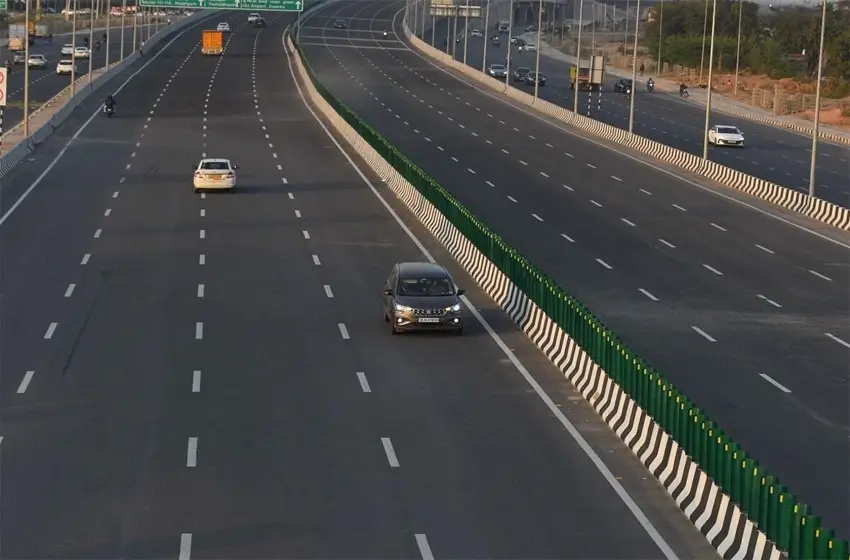
India has witnessed one of the world's fastest improvements in highway infrastructure. Thousands of kilometers of modern expressways, upgraded national highways, bypass roads, elevated corridors, ring roads, and access-controlled routes have completely changed the way people travel between major cities. Many destinations that once required an entire day can now comfortably be reached within a few hours.
From the perspective of professional chauffeurs who spend hundreds of days every year driving international visitors across the country, these changes have transformed not only travel times but also passenger comfort, road safety, fuel efficiency, and overall travel experience.
At INDIA TRIP DRIVER, Mr. Narendra and his experienced chauffeur team have personally witnessed this transformation over many years. Routes that were once avoided because of congestion are now among the smoothest highways in India. Modern expressways have reduced driver fatigue, improved punctuality, and allowed travelers to include additional sightseeing stops without extending their holidays.
Understanding how India's road network has evolved helps international visitors make informed decisions when choosing between private car tours, trains, and domestic flights.
India's Modern Highway Network Has Completely Changed Long-Distance Travel
The biggest improvement in Indian road travel has been the expansion of high-quality National Highways and newly constructed access-controlled expressways. These roads have dramatically reduced travel time between major tourist destinations while making journeys considerably smoother than they were only a few years ago.
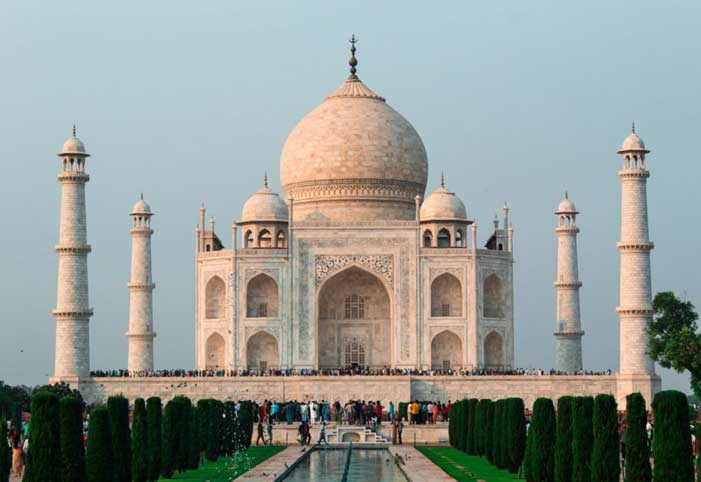
One excellent example is the journey between Delhi and Agra. Earlier, this drive often involved passing through numerous towns, traffic signals, and busy market areas. Today, the Yamuna Expressway allows travelers to complete the journey comfortably in approximately three to four hours under normal driving conditions. The road surface is significantly smoother, lane markings are clearer, service facilities have improved, and driving becomes much more predictable.
Similarly, the Delhi–Mumbai Expressway, which is being developed in phases, represents one of the largest highway infrastructure projects in the world. As more sections become operational, travelers heading toward Rajasthan and western India continue benefiting from reduced travel times and safer driving conditions.
The Delhi–Jaipur Highway (NH48) has also undergone continuous improvement. Wide carriageways, modern toll plazas, better lighting near urban areas, improved signage, and bypass roads around several towns have significantly enhanced travel quality. While traffic can still become heavy near major cities, overall driving conditions remain far better than they were previously.
Professional chauffeurs appreciate these improvements because smoother highways reduce fatigue during long-distance journeys. Passengers benefit equally from quieter cabins, less frequent braking, better fuel efficiency, and more consistent travel speeds.
Another noticeable improvement involves roadside infrastructure. Modern highways now include cleaner fuel stations, larger food courts, branded restaurants, convenience stores, ATM facilities, clean washrooms, medical assistance points, and emergency vehicle support. International visitors often express surprise at the quality of highway service areas compared to their expectations before arriving in India.
For families traveling with children or elderly parents, these facilities become particularly valuable. Regular refreshment stops can now be planned at reliable locations rather than depending on small roadside establishments with uncertain hygiene standards.
Technology has also contributed significantly to improved road travel. GPS navigation, live traffic monitoring, digital toll collection, weather updates, and real-time route adjustments allow experienced chauffeurs to avoid unnecessary congestion whenever possible.
Make the Journey Part of Your India Experience
Don't just travel between destinations—enjoy the roads, landscapes, villages, and local experiences along the way.
At INDIA TRIP DRIVER, routes are continuously monitored before departure each morning. Road closures, construction work, weather conditions, local festivals, and traffic diversions are all considered before selecting the day's driving route. This preparation helps maintain realistic arrival schedules while minimizing unexpected delays.
However, experienced drivers also understand that India remains a diverse country where road conditions can vary considerably between metropolitan regions, rural villages, mountain roads, wildlife reserves, and desert landscapes. Expressways provide exceptional driving experiences, but heritage destinations often require slower driving through traditional towns where local traffic patterns remain very different.
This balance between modern infrastructure and historic landscapes is actually one of India's greatest strengths. Travelers can enjoy world-class expressways for long-distance journeys while still experiencing authentic villages, centuries-old cities, local markets, and rural scenery that remain largely unchanged.
Unlike countries where highways completely bypass local culture, road travel in India continues offering opportunities to experience everyday life between destinations. That combination of modern infrastructure and traditional surroundings creates a unique travel experience that cannot easily be replicated elsewhere.
Professional chauffeurs understand exactly where these transitions occur and adjust driving styles accordingly, ensuring passenger comfort remains consistent throughout the journey.
Road Safety, Driving Standards, and What Foreign Tourists Should Expect
Improved highways alone do not guarantee a comfortable journey. Safe road travel depends equally on experienced drivers, responsible driving habits, route knowledge, proper vehicle maintenance, and realistic scheduling. This is where professional chauffeur services in India make a significant difference compared to self-driving or booking different taxis during the trip.
International visitors often compare Indian roads with Europe, Australia, Canada, or the United States. While India has invested heavily in infrastructure, the driving environment remains different because millions of vehicles, commercial transport, motorcycles, agricultural equipment, pedestrians, and local traffic all share the same transportation network in many regions.
A professional chauffeur understands these conditions through years of practical experience rather than depending entirely on navigation systems. Reading traffic patterns, anticipating sudden lane changes, maintaining safe following distances, avoiding unnecessary overtaking, and adjusting speed according to local conditions are skills that develop only after extensive highway experience.
At INDIA TRIP DRIVER, every journey begins with vehicle preparation before guests even arrive. Tyres, brakes, engine condition, air conditioning, lighting systems, and safety equipment are checked regularly because reliability is just as important as driving skill. A comfortable vehicle reduces fatigue for passengers, especially during longer journeys covering several hundred kilometers.
Another noticeable improvement across India is the increasing use of divided highways. Modern road engineering separates opposing traffic, reducing the likelihood of head-on collisions and making overtaking considerably safer than older single-lane roads. Wider shoulders, reflective lane markings, improved crash barriers, better drainage systems, and clearer directional signage all contribute to a more predictable driving environment.
Expressways also maintain strict entry and exit points, which minimizes interruptions caused by local traffic crossing the road. This creates smoother driving conditions and allows chauffeurs to maintain steady speeds without constant braking and acceleration. For passengers, this means a quieter cabin, less motion fatigue, and a far more relaxing travel experience.
Weather remains another factor that professional drivers constantly monitor. During the summer months, highways generally remain dry and visibility is excellent. During the monsoon season, however, rainfall intensity can vary dramatically between regions. Experienced chauffeurs adjust departure times, reduce driving speeds when necessary, and remain informed about temporary road closures or waterlogging in certain areas.
Mountain destinations require an entirely different driving approach. Routes toward Shimla, Manali, Mussoorie, Dharamshala, Ooty, Munnar, or other hill stations involve steep gradients, sharp curves, changing weather, and occasional fog. Chauffeurs familiar with these roads understand where additional caution is required, when overtaking should be avoided, and which sections demand lower speeds regardless of traffic conditions.
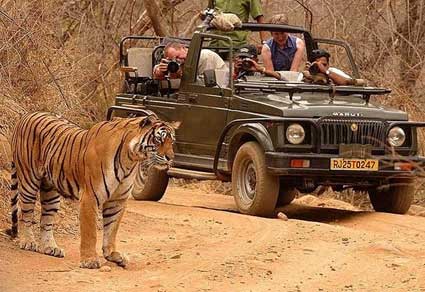
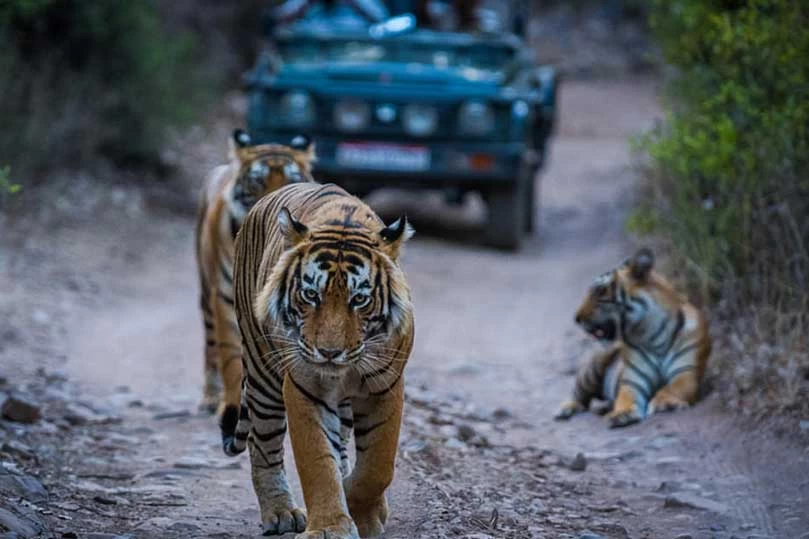
Wildlife routes also require specialized attention. National parks such as Ranthambore, Jim Corbett, Kanha, Bandhavgarh, Kaziranga, and Gir often involve forest roads where animal crossings are possible. Responsible chauffeurs remain alert throughout these sections and strictly follow forest department regulations regarding vehicle movement and speed limits.
Urban driving has also improved considerably because of ring roads, bypasses, and elevated express corridors built around major cities. Previously, travelers often lost several hours driving through crowded city centers simply to continue toward the next destination. Modern bypass infrastructure now allows vehicles to avoid unnecessary congestion while still providing convenient access to tourist attractions whenever required.
Travel timing has become much more predictable as a result of these improvements. Although traffic delays can never be completely eliminated, experienced operators are now able to estimate journey durations far more accurately than before. This allows international visitors to book hotels, guided tours, monument visits, and evening activities with greater confidence.
Professional scheduling also avoids one of the most common mistakes made by first-time visitors—trying to cover unrealistic distances in a single day. At INDIA TRIP DRIVER, itineraries are prepared with passenger comfort in mind rather than attempting to maximize the number of destinations. Reasonable daily driving hours, comfortable refreshment breaks, sightseeing opportunities, and hotel arrival before late evening all contribute to a much more enjoyable holiday.
Passengers frequently comment that they feel surprisingly relaxed even after driving several hundred kilometers because the journeys are broken into manageable segments. Comfortable seating, climate-controlled vehicles, smooth highways, and carefully selected meal stops make the road itself an enjoyable part of the vacation rather than simply transportation.
Discover More of India by Road
Enjoy flexible sightseeing, comfortable long-distance journeys, and personalized routes designed around your travel plans.
International tourists also appreciate that modern highways allow greater flexibility. If travelers decide to spend additional time photographing monuments, visiting local markets, or enjoying regional cuisine, experienced chauffeurs can often adjust the schedule without creating major disruptions. This flexibility simply isn't possible when relying on domestic flights or rigid public transport schedules.
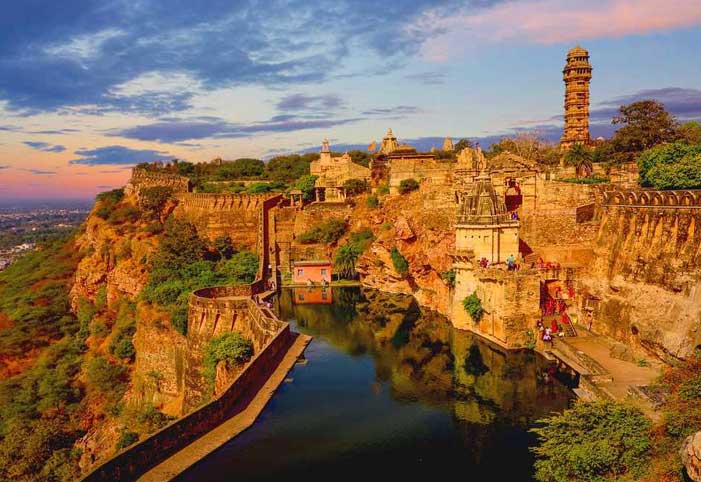
For photography enthusiasts, improved roads have created another unexpected benefit. Scenic sunrise departures, countryside landscapes, heritage villages, lakes, stepwells, ancient forts, and roadside viewpoints are now much easier to include without significantly increasing travel time. Many of these memorable moments happen between famous tourist attractions rather than at the attractions themselves.
About INDIA TRIP DRIVER
INDIA TRIP DRIVER specializes in private chauffeur tours across India, offering comfortable long-distance travel, airport transfers, customized itineraries, Rajasthan road trips, Golden Triangle holidays, wildlife safaris, luxury vacations, and multi-state journeys for international travelers.
Led by Mr. Narendra, every itinerary is designed around practical travel times, passenger comfort, road conditions, sightseeing preferences, and safe driving practices. Experienced chauffeurs, well-maintained vehicles, and detailed route knowledge allow guests to experience India's changing road network with confidence and convenience.