India and Nepal Tour Package - Complete Itinerary, Cost & Travel Guide for Tourists
India and Nepal Tour Package Guide: Routes, Costs and Travel Tips
Imagine planning a trip where you experience two completely different yet deeply connected cultures in one journey. You start in India, exploring grand palaces, historic cities, and vibrant markets. Then you move to Nepal, where the pace slows down, mountains rise around you, and the atmosphere becomes peaceful and spiritual. This is exactly why the India and Nepal tour package has become one of the most popular choices for international travelers.
India and Nepal complement each other perfectly. India offers diversity—history, architecture, food, and culture—while Nepal provides calmness, natural beauty, and a spiritual environment. Together, they create a balanced travel experience that feels complete rather than rushed.
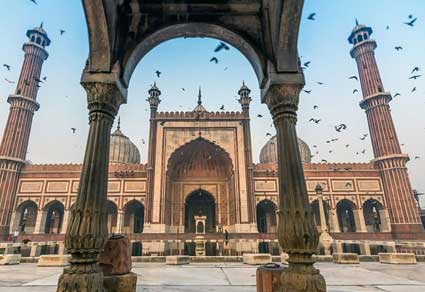
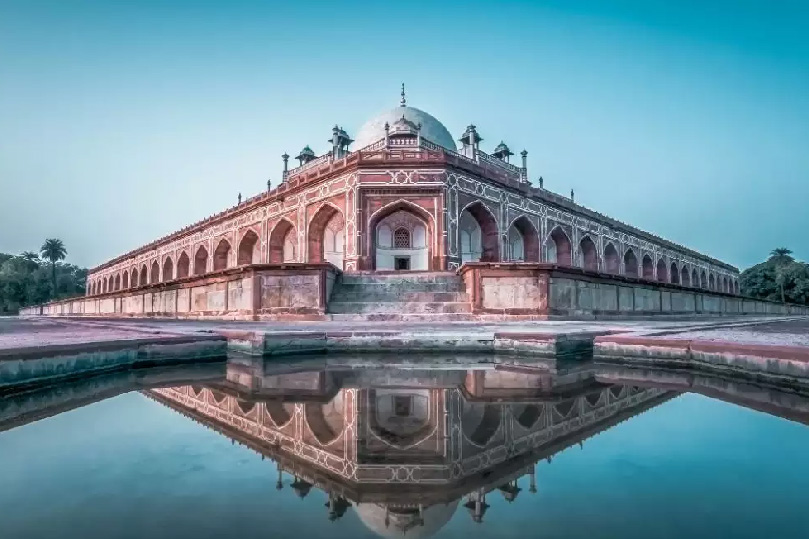
Most tourists begin their journey in India because of its international connectivity. Cities like Delhi are well-connected globally, making them an ideal starting point. From there, travelers explore the famous Golden Triangle route—Delhi, Agra, and Jaipur—before heading towards Nepal.
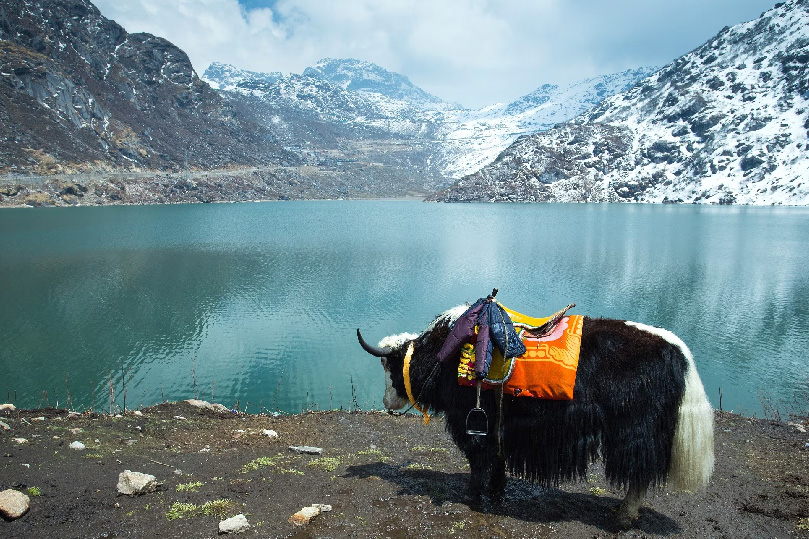
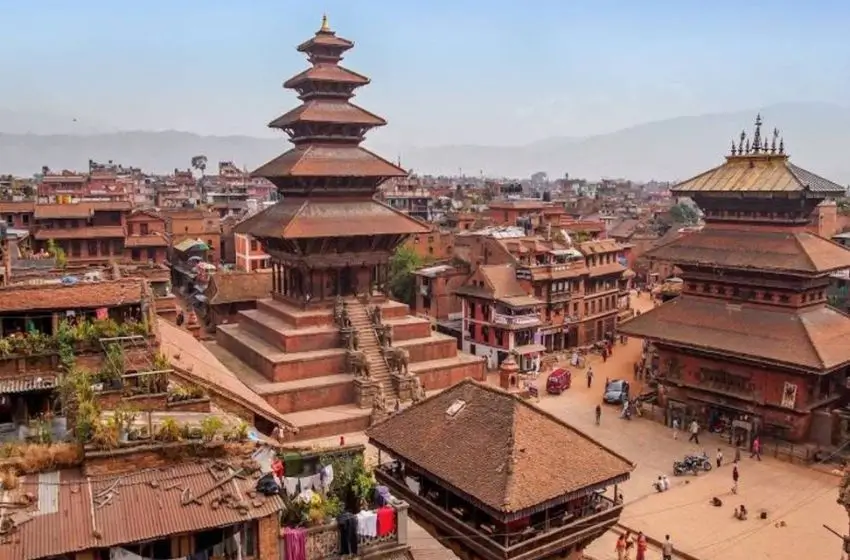
Nepal adds a completely different dimension to the trip. Kathmandu offers temples, heritage sites, and a relaxed atmosphere. Pokhara provides scenic landscapes with lakes and mountain views, making it perfect for unwinding after a busy India itinerary.
For travelers, the biggest advantage of combining these two countries is efficiency. Instead of planning separate trips, you can cover both destinations in one well-structured itinerary. This saves time, reduces travel costs, and creates a more meaningful journey.
Transport plays a key role in making this combination smooth. In India, using a private car with driver in India ensures comfortable travel between cities. When moving to Nepal, flights or road routes are available depending on your itinerary.
The India Nepal travel package is not just about visiting two countries—it is about experiencing contrast, balance, and depth in one journey.
Discover Two Incredible Destinations, One Seamless Trip
Why choose one destination when you can experience two? Our tailor-made India and Nepal tour packages combine iconic landmarks, spiritual experiences.
Ideal India and Nepal Itinerary – Real Travel Flow
Planning the right route is the most important part of an India and Nepal tour itinerary. A well-structured plan ensures that you enjoy both countries without feeling rushed or overwhelmed.
Let’s take a realistic travel story.
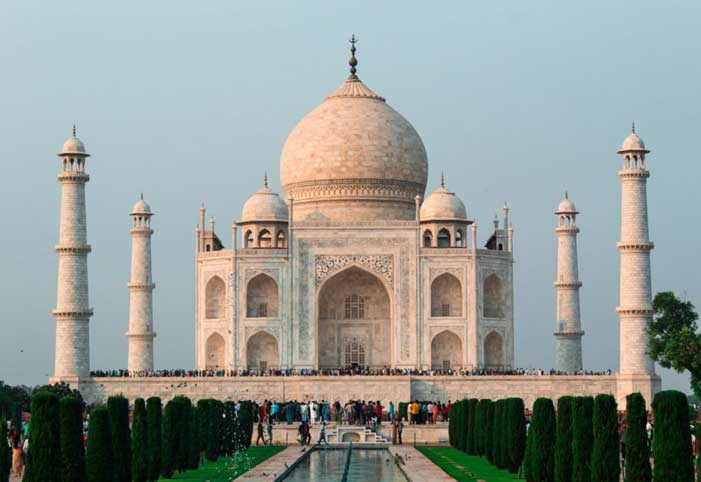
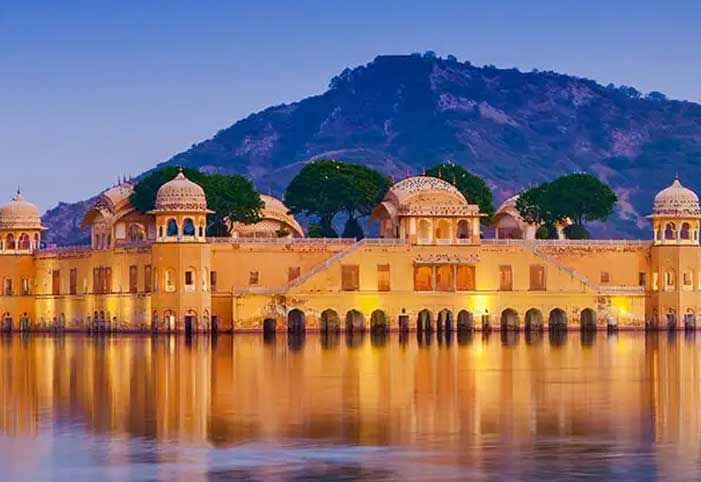
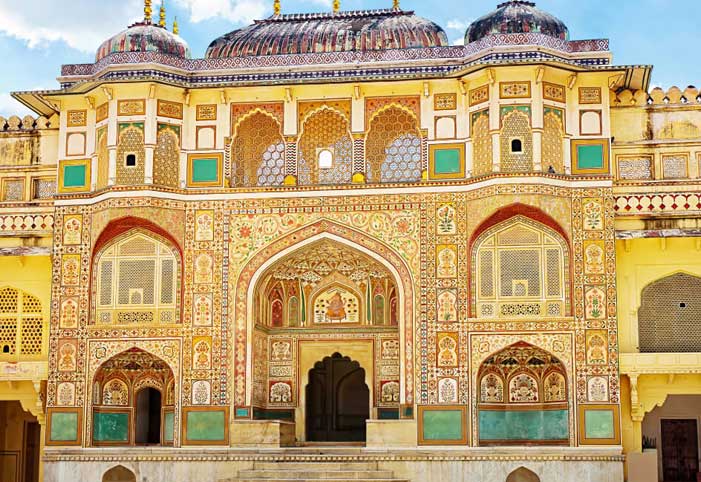
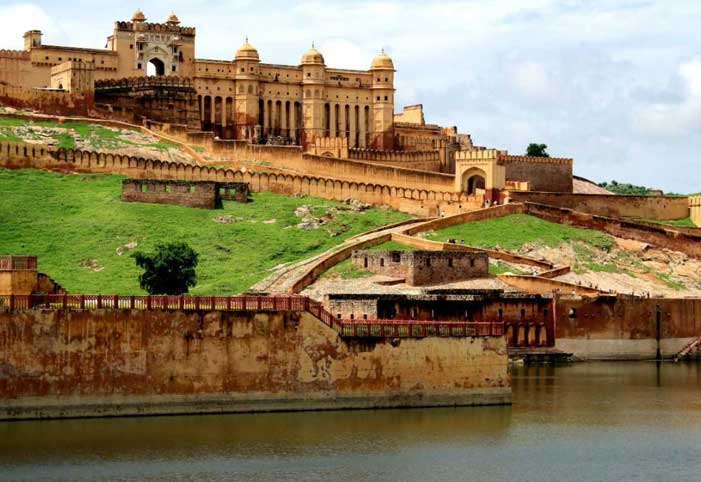
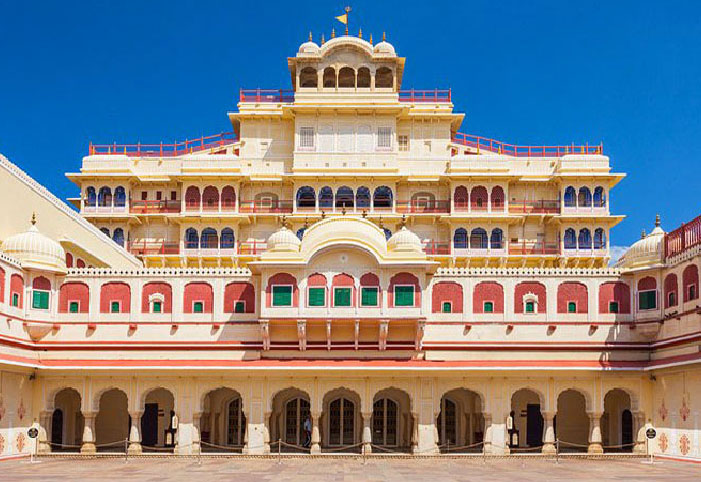
A traveler arrives in Delhi and spends two days exploring the capital—historic monuments, markets, and cultural spots. From Delhi, they travel to Agra to visit the Taj Mahal, one of the most iconic landmarks in the world. After Agra, the journey continues to Jaipur, where forts, palaces, and local culture create a rich experience.
This forms the Golden Triangle, which typically takes 5–6 days.
After completing this route, the traveler flies from Delhi to Kathmandu. This transition is smooth and takes around 1–1.5 hours.
In Kathmandu, the experience changes completely. The city offers temples, heritage squares, and a slower pace. Travelers spend 2–3 days exploring places like Pashupatinath Temple and local markets.
From Kathmandu, many travelers continue to Pokhara. This is where the journey becomes peaceful. Lakes, mountain views, and nature create a relaxing environment. Spending 2–3 days here allows you to unwind after the busy Indian cities.
A complete itinerary looks like this:
Delhi → Agra → Jaipur → Delhi → Kathmandu → Pokhara
This journey usually takes 10–14 days.
Using a private driver in India for tourists ensures smooth travel across Indian cities, while flights handle the transition to Nepal.
The key is balance—India for culture and activity, Nepal for relaxation and nature.
- Cost of India and Nepal Tour Package – Real Budget Breakdown
Understanding the cost is essential when planning an India and Nepal tour package for tourists. Let’s break it down with a realistic example.
Flights to India depend on your origin, but once you arrive, costs become more manageable.
Accommodation in India:
Mid-range hotels cost around $50–$120 per night.
Luxury hotels range from $150–$300+.
In Nepal, accommodation is slightly cheaper:
Mid-range hotels cost around $30–$80 per night.
Luxury stays range from $100–$250.
Transport in India:
A private car with driver in India costs around $40–$70 per day.
For a 6-day Golden Triangle trip, total cost is around $250–$400.
Flights from India to Nepal:
$100–$250 depending on timing.
Local transport in Nepal:
$10–$30 per day for taxis or local travel.
Food:
$10–$30 per day per person for comfortable dining.
Sightseeing:
$5–$25 per attraction.
Total estimated cost for a 12-day trip:
- Budget: $1200–$1800 per person
- Comfortable: $1800–$3000 per person
- Luxury: $3500+ per person
This makes the India Nepal tour cost very reasonable compared to multi-country trips elsewhere.
Explore India and Nepal in One Unforgettable Journey
Experience the perfect blend of India's vibrant culture and Nepal's breathtaking Himalayan beauty with a customized India–Nepal tour.
Best Time to Visit India and Nepal Together
Timing plays a major role in planning a successful India and Nepal travel package. Since both countries share similar weather patterns, choosing the right season ensures a comfortable experience.
The best time to visit is during cooler months when temperatures are pleasant. This is ideal for exploring cities in India and enjoying outdoor experiences in Nepal.
During this period, destinations like Delhi, Jaipur, and Agra are comfortable to explore. At the same time, Nepal offers clear skies and stunning mountain views.
Avoid extreme summer months, especially in North India, where temperatures can become very high. Similarly, monsoon season can affect travel plans due to heavy rainfall.
Planning your trip during the right season ensures better visibility, smoother travel, and a more enjoyable experience.
Travel Tips for India and Nepal Tour
Planning a multi-country India Nepal trip requires attention to detail.
Start with visa requirements. India and Nepal have separate visa processes, so ensure both are arranged before travel.
Currency exchange is important. India uses INR, while Nepal uses NPR. Carrying some local currency helps with small expenses.
Transport planning is key. Using a private car with driver in India ensures comfort in Indian cities, while flights or local transport work in Nepal.
Health precautions include drinking bottled water and choosing clean restaurants.
Respect local culture and traditions, especially in religious places.
Keeping your itinerary flexible allows you to enjoy your journey without stress.