India to Nepal Travel Guide – Routes, Visa & Travel Tips for Foreign Tourists
Understanding Travel from India to Nepal – What Tourists Should Know
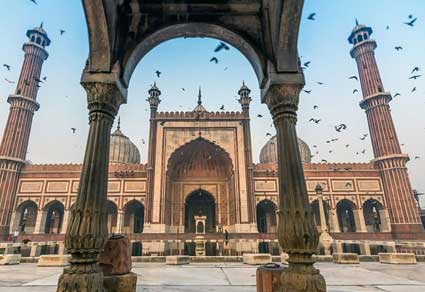
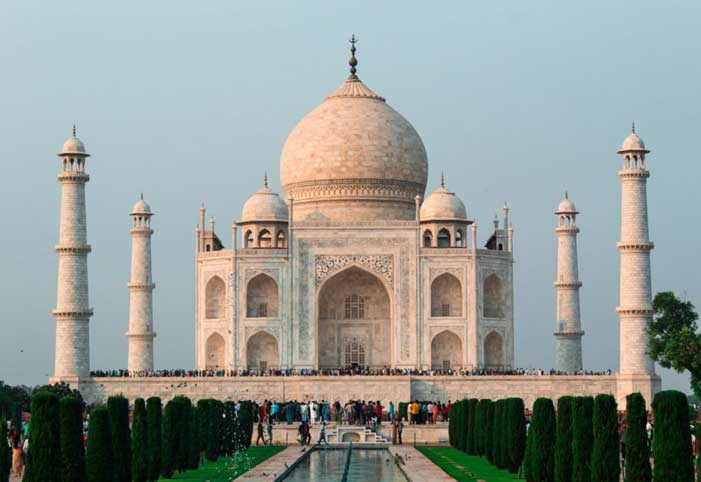
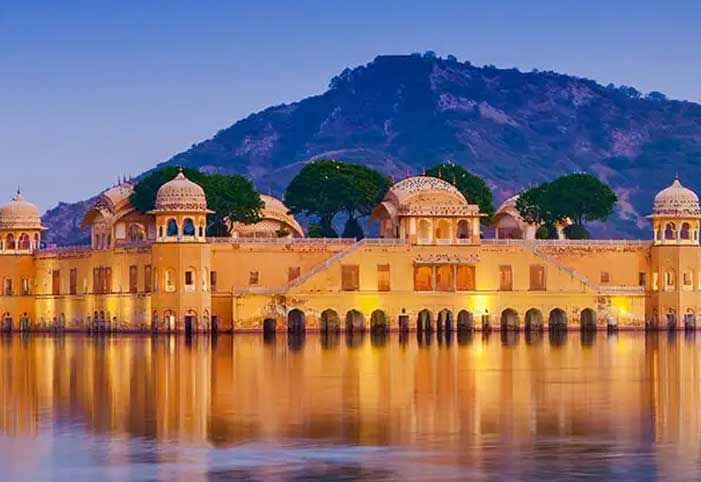
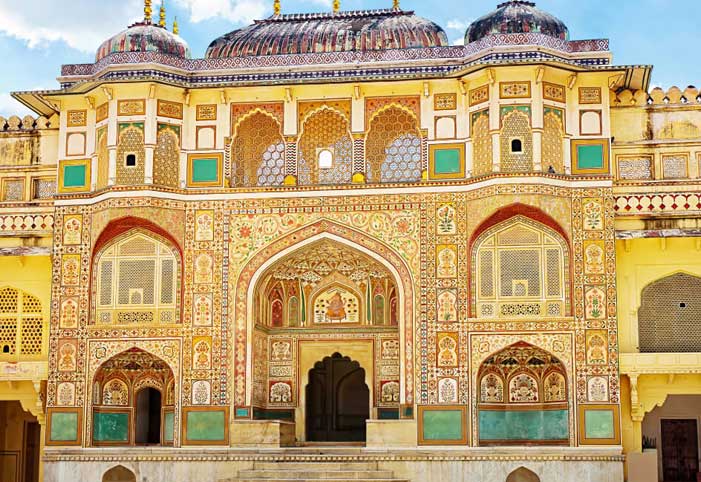
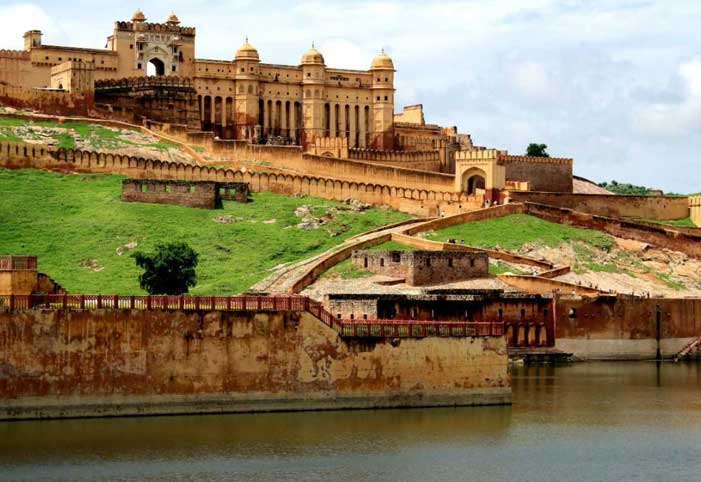
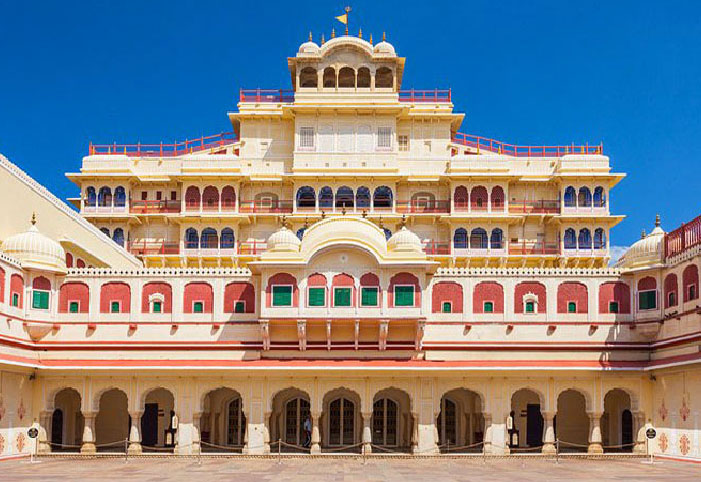
Imagine you have just completed your India journey. You’ve explored Delhi, seen the Taj Mahal in Agra, walked through Jaipur’s forts, and now you’re thinking—what next? Many travelers at this stage look for something calmer, more natural, and less crowded. This is where Nepal becomes the perfect continuation. The transition from India to Nepal is not just about crossing a border—it is about shifting your travel experience completely. Understanding India to Nepal travel for tourists helps you plan this transition smoothly.
India and Nepal share a long open border, deep cultural connections, and frequent travel routes. For foreign tourists, this makes movement between the two countries relatively easy compared to many other international borders. However, ease does not mean you can travel without planning. You still need to understand visa rules, route options, and transportation systems.
Most travelers move from North India to Nepal because of proximity. Cities like Delhi, Varanasi, and Gorakhpur act as major gateways. From these locations, you can either fly or travel by road into Nepal. Each option offers a different experience, and your choice depends on time, budget, and comfort level.
For first-time travelers, flying is usually the easiest option. It is fast, reliable, and avoids the complexity of border crossings. However, road travel offers a more immersive experience, allowing you to see rural landscapes and understand the region more deeply.
Using a private car with driver in India up to the Nepal border is one of the most comfortable ways to travel overland. It ensures that you reach the border safely and without confusion. From there, local transport can take you into Nepal.
The key point is this—traveling from India to Nepal is simple when you understand the system. With proper planning, it becomes one of the most rewarding transitions in your entire journey.
Cross Borders, Not Comfort Zones
Experience the freedom of traveling between India and Nepal with reliable transportation, expert local support, and flexible travel plans.
India to Nepal Travel Routes – Air, Road and Border Options
Choosing the right route is the most important decision when planning how to travel from India to Nepal. There are two main options: air travel and road travel. Each offers a different experience, and understanding both helps you decide what suits you best.
Air travel is the most popular choice among foreign tourists. Flights from Delhi to Kathmandu take around 1–1.5 hours and are the fastest way to reach Nepal. This option is ideal for travelers who want to save time and avoid complications. Flights are frequent and relatively affordable, making them the most convenient method.
For travelers who want a more immersive experience, road travel is an alternative. The most commonly used border crossing is Sunauli, which connects Gorakhpur in India to Bhairahawa in Nepal. Another option is Raxaul–Birgunj, which connects Bihar to central Nepal.
Let’s imagine a traveler taking the road route. They start in Varanasi and hire a private driver in India for border travel to reach Gorakhpur. From there, they continue to the Sunauli border. The journey takes around 6–8 hours depending on traffic and road conditions.
At the border, travelers complete immigration formalities and then enter Nepal. From Bhairahawa, they can take a taxi or domestic flight to Kathmandu or Pokhara.
Road travel offers a more adventurous experience but requires patience. Border crossings can take time, and facilities may not be as organised as airports.
For most international tourists, especially first-time visitors, flights remain the best option. However, for those seeking a deeper travel experience, road routes provide a unique perspective.
Using a car rental with driver in India ensures that your journey to the border is smooth and comfortable, reducing stress and confusion.
Visa Process for India to Nepal Travel
Understanding visa requirements is essential when planning India to Nepal travel for foreign tourists. Even though the countries share an open border, international travelers must follow proper immigration procedures.
India and Nepal have separate visa systems. If you are already in India on a tourist visa, you cannot use that visa to enter Nepal. You must obtain a separate Nepal visa.
The good news is that Nepal offers a visa-on-arrival facility for most nationalities. This makes the process simple and convenient. At Kathmandu airport or major land borders, travelers can apply for a visa upon arrival.
The process usually involves filling out a form, submitting passport details, and paying a fee. The fee depends on the duration of your stay. Short-term tourist visas are the most common.
For travelers entering Nepal by air, the process is straightforward. Airports are organised, and staff guide you through each step. For land border crossings, the process may take longer and requires more patience.
It is important to carry passport photos and cash for visa fees, especially when using land routes. While some borders accept card payments, it is safer to have local currency or US dollars.
Another important point is re-entry into India. If your itinerary includes returning to India after Nepal, you must ensure that your Indian visa allows multiple entries.
Understanding these details ensures that your India Nepal travel visa process is smooth and stress-free.
Transportation and Travel Comfort – What Works Best
Transportation plays a major role in the overall experience of India to Nepal travel. The way you move between locations can either make your journey smooth or create unnecessary stress.
For most travelers, comfort is a priority. This is why hiring a private car with driver in India is highly recommended, especially for long-distance travel within India. It allows you to travel at your own pace, avoid crowded transport, and enjoy a controlled environment.
If you are traveling by air, your journey is straightforward. Airport transfers, flights, and local taxis handle everything efficiently. This option is best for travelers who want a quick and hassle-free transition.
For road travel, planning becomes more important. You need to coordinate your journey to the border, manage immigration procedures, and arrange transport on the Nepal side.
Using a private driver in India for tourists ensures that the first part of your journey is smooth. Drivers are familiar with routes and can help you reach the border safely.
Once in Nepal, local taxis or domestic flights are commonly used. For example, traveling from Bhairahawa to Kathmandu can be done by road or air.
Comfort is not just about vehicles—it is about reducing uncertainty. Having reliable transport at every stage ensures that your journey remains enjoyable.
Choosing the right transport option depends on your priorities—speed, cost, or experience. Most travelers prefer a mix of both, using flights for convenience and road travel for exploration.
Ready to Explore Nepal from India?
From the bustling cities of India to the serene landscapes of Nepal, enjoy a seamless cross-border adventure with our customized travel solutions.
Practical Travel Tips for Crossing from India to Nepal
Cross-border travel requires preparation, and following practical tips ensures a smooth India to Nepal travel experience.
Start by planning your route in advance. Decide whether you will travel by air or road and book your transport accordingly.
Keep all documents ready, including passport, visa details, and travel itinerary. Having everything organised reduces delays at immigration points.
Carry sufficient cash in small denominations. This is useful for visa fees, local transport, and small expenses.
Stay patient during border crossings. Processes may take time, especially at land borders, but staying calm ensures a smoother experience.
Use trusted transport services. Hiring a car rental with driver in India helps you avoid confusion and ensures reliable travel.
Stay aware of your surroundings and follow basic safety practices. Avoid accepting unsolicited help from strangers at borders.
Plan your arrival time carefully. Reaching borders during daytime is safer and more convenient.
Keep your accommodation details ready in Nepal, as they may be required during immigration.
By following these tips, your India Nepal travel journey becomes smooth, safe, and enjoyable.