India Trip Cost from UK - Complete Budget Guide for Tourists

What Does an India Trip Really Cost for a UK Traveller?
Imagine you are sitting in London planning your India trip. You open multiple tabs—flights, hotels, travel blogs—and suddenly you see completely different price ranges. Some say India is extremely cheap, while others show luxury travel costing almost like Europe. This confusion is very common when understanding the real India trip cost from UK.
The truth is simple—India is not expensive, but your travel style defines everything.
A typical UK traveller planning a 10–14 day India trip usually spends money in five main areas: flights, hotels, transport, food, and activities. Let’s break this with a realistic story-based example so you understand the actual cost clearly.
Suppose a couple from the UK plans a classic route: Delhi → Agra → Jaipur → Udaipur → Goa. This is one of the most popular travel circuits.
Flights from London to Delhi usually cost between £450 to £900 per person depending on season and booking time. If you book early, you stay closer to the lower range. Last-minute bookings push the cost higher.
Once in India, the daily spending changes completely. A mid-range hotel that would cost £150 in London may cost only £40–£80 in India. Even luxury hotels that feel premium are often half the price compared to the UK.
Transport is where smart travellers make the biggest difference. Instead of dealing with trains and taxis, many UK tourists prefer a private car with driver in India. This usually costs around £35 to £70 per day depending on vehicle type. When split between two people, it becomes very reasonable.
Food is another pleasant surprise. A good meal in a quality restaurant may cost £5 to £15 per person, while luxury dining may go up to £25–£40.
So, when you calculate everything together, a comfortable India trip from the UK for two people typically ranges between £1800 to £3500 per person for 10–14 days depending on choices.
India gives you flexibility. You can travel cheaper than this or more luxurious than this—but now you have a real idea instead of guessing.
Make the Most of Your India Travel Budget
A well-planned journey can help you experience more while spending wisely. Our professional drivers and customized tour services ensure safe, comfortable, and cost-effective travel throughout India.
Flight Cost from UK to India – Real Price Scenarios
Flights are the biggest part of the India travel cost from UK, and this is where most travellers either save money or overspend.
Let’s take a real scenario. A traveller from London books a return flight to Delhi three months in advance. The ticket costs around £550. The same flight, booked just two weeks before departure, can easily go above £900.
This is why timing is everything.
Direct flights from London to Delhi or Mumbai are the most convenient. Airlines like British Airways and Air India operate these routes. These flights are faster but slightly more expensive.
Connecting flights via the Middle East (Dubai, Doha, Abu Dhabi) often reduce the price. These flights may cost around £450–£650 but increase travel time.
For UK travellers, winter travel is the most popular time to visit India because of pleasant weather. However, this also increases flight prices. Traveling slightly before or after peak season can reduce costs.
Another important factor is flexibility. If you are flexible with dates, you can find better deals. Mid-week flights are often cheaper than weekend departures.
For a realistic estimate:
- Budget flight: £450–£650
- Standard flight: £650–£850
- Premium timing/last minute: £850–£1000+
Once you land in India, your daily cost drops significantly. That’s why managing your flight cost properly is key to controlling your total India trip budget from UK.
Hotel Cost in India – What UK Travellers Actually Pay
After flights, accommodation becomes the second biggest part of your India travel budget from UK. But this is also where India gives you the biggest advantage.
Let’s continue the same couple’s story.
In Delhi, they book a comfortable 4-star hotel in Aerocity. The price is around £70 per night. In London, a similar hotel would easily cost £180–£250.
In Jaipur, they stay in a heritage hotel with a royal feel for £60–£90 per night. In Udaipur, a lake-view hotel costs around £80–£120.
Even in Goa, a beach resort costs around £70–£150 depending on location and quality.
Here’s a realistic breakdown:
- Budget hotels: £20–£40 per night
- Mid-range hotels: £40–£90 per night
- Luxury hotels: £120–£300+ per night
For a 12-day trip, a couple staying in mid-range hotels may spend around £700–£1200 total.
The best part is value for money. Indian hotels often provide more space, better service, and unique experiences compared to the UK.
Another smart choice is combining hotels with a private driver in India for tourists, which allows you to stay in multiple cities without worrying about logistics.
Accommodation in India is not just affordable—it enhances your experience.
Transport Cost in India – Real Cost with Private Driver
Transport is where your travel experience changes completely.
Many UK tourists initially consider trains or domestic flights. But after arriving, they realise that managing multiple bookings, delays, and navigation can be stressful.
This is why most experienced travellers choose a private car with driver in India.
Let’s take a real route: Delhi → Agra → Jaipur → Udaipur (Golden Triangle + extension)
A sedan with driver typically costs:
- £40–£60 per day
- Includes fuel, driver, basic travel
- Extra: tolls, parking (small cost)
For a 7-day route trip, total transport cost is around £300–£450.
Split between two people, this becomes extremely affordable.
The biggest benefit is comfort. You don’t carry luggage, you don’t search for taxis, and you don’t deal with confusion. Your driver becomes your support system.
For longer trips or bigger groups, SUVs cost slightly more (£60–£90/day), but provide better space.
Compared to UK taxi costs, this is extremely economical.
Using a car rental with driver in India is not just about cost—it improves your entire travel experience.
Daily Expenses – Food, Entry Fees & Real Spending
Daily expenses in India are where UK travellers feel the biggest difference.
Let’s continue our couple’s journey.
They start their day with breakfast included in the hotel. Lunch at a good restaurant costs around £8–£12 per person. Dinner at a rooftop or premium place costs around £15–£25.
Street food is even cheaper, but most UK tourists prefer hygienic restaurants.
Here’s a realistic daily food budget:
- Budget eating: £5–£10 per day
- Comfortable dining: £15–£30 per day
- Premium dining: £30–£60 per day
Now let’s talk about sightseeing.
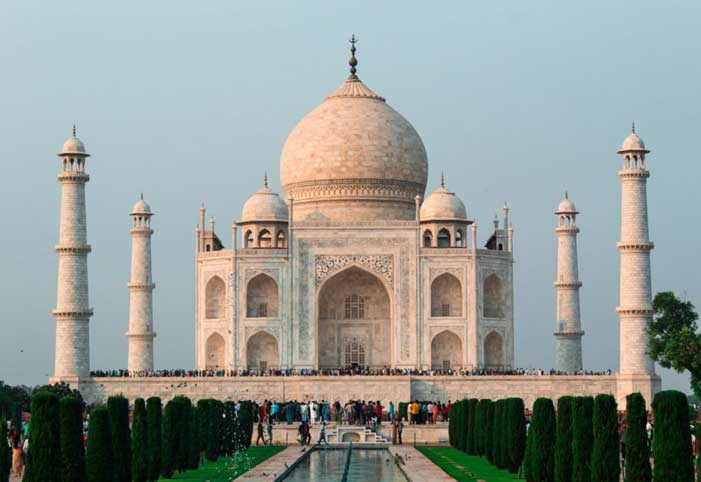
Entry tickets for monuments like Taj Mahal, forts, and palaces cost around £5–£20 per person. Guided tours may cost extra but are optional.
Shopping depends on personal interest. Some travellers spend £50 total, others spend £500+ on souvenirs.
A realistic daily spend per person:
- Budget: £20–£30
- Comfortable: £30–£60
- Premium: £60–£120
So for a 12-day trip, daily expenses may range between £300 to £800 per person.
India allows you to control your spending without limiting your experience.
Plan Your India Trip with Transparent Pricing
Ready to turn your India travel plans into reality? From airport transfers to customized multi-city tours, we offer affordable private driver services with clear pricing and no hidden costs.
Total Budget Example – Complete Cost from UK
Now let’s combine everything into one realistic example.
For a 12-day India trip from UK (per person):
Flights: £600–£800
Hotels: £350–£600
Transport: £150–£250
Food & daily: £300–£600
- Total: £1400 to £2500 per person
For a couple:
- £2800 to £5000 total trip cost
Luxury version:
- £3500–£6000+ per person
This gives a clear picture of the India trip cost from UK.
India is not just affordable—it is flexible.