Is India Safe for LGBTQ Travelers? Complete Guide for Gay & Lesbian Tourists
Understanding LGBTQ Safety in India
India is a destination that attracts millions of international visitors every year, offering a mix of history, culture, spirituality, and diverse landscapes. For LGBTQ travelers in India, the question of safety is one of the most important aspects when planning a trip. The answer is not simply yes or no—it depends on how well you understand the environment, choose your locations, and approach your journey.
India has made significant progress in terms of LGBTQ rights by decriminalising same-sex relationships, which means gay and lesbian tourists in India can travel without legal fear. However, social attitudes vary across regions. In large cities such as Delhi, Mumbai, and Goa, you will find a more open-minded atmosphere where LGBTQ travel India is becoming increasingly common. These cities have international exposure, vibrant nightlife, and hospitality industries that are more accepting of diverse identities.
At the same time, rural areas and small towns tend to be more traditional. This does not necessarily mean unsafe, but it does mean less awareness. Foreign travelers may receive curious looks or questions, especially if they are openly affectionate. It is important to remember that public displays of affection are generally uncommon in India—even for straight couples—so discretion is advisable for all travelers.
Choosing the right mode of travel can also impact your comfort. Booking a private car with driver in India provides a safer and more controlled travel experience. It allows you to avoid crowded public transport, ensures privacy, and offers the benefit of local guidance. A professional driver can also help you navigate culturally sensitive situations and suggest safe areas to visit.
Accommodation is another key factor. Many hotels in tourist-friendly areas are welcoming to international guests, including LGBTQ couples. Opting for LGBTQ-friendly hotels in India or well-reviewed premium stays ensures a comfortable and respectful experience. Staff in such hotels are usually trained to handle diverse guests without judgment.
Overall, India can be a safe and enriching destination for LGBTQ travelers when approached with awareness and planning. Understanding local norms, choosing inclusive cities, and travelling smartly can transform your journey into a memorable and positive experience.
Travel with Confidence. Explore with Comfort
Your safety and peace of mind are our absolute priorities. From handpicked, LGBTQ+-friendly luxury hotels to verified, respectful local private drivers, we ensure your Indian holiday is completely secure and unforgettable.
LGBTQ Laws in India – What You Must Know Before Traveling
Understanding the legal framework is essential before planning any international trip, especially for LGBTQ tourists visiting India. Over time, India has taken progressive steps that have significantly improved the legal safety of same-sex relationships, making the country more accessible to international travelers.
Homosexuality is no longer a criminal offence in India. This means that same-sex couples in India can legally exist without fear of prosecution. For foreign tourists, this is an important reassurance, as it removes a major legal concern that existed in the past. However, while decriminalisation is a major milestone, it does not automatically guarantee full equality.
Same-sex marriage is not legally recognised in India, which means LGBTQ couples do not have the same legal protections as married heterosexual couples. For example, hotel bookings, travel documentation, or joint legal rights are not formally structured for same-sex partnerships. That said, in practical terms, most hotels and travel services do not question foreign couples and are more focused on providing service than enforcing social norms.
Public behavior is another aspect where law and culture intersect. While there are no laws specifically targeting public affection between same-sex couples, general public decency laws apply to everyone. Since public displays of affection are culturally limited in India, it is advisable for gay and lesbian travelers to maintain discretion in public spaces.
From a safety perspective, law enforcement in major cities is increasingly aware and professional. Tourist police and local authorities in popular destinations are generally supportive of foreign visitors. However, awareness levels may vary in smaller towns, which is why planning your itinerary around well-known tourist routes is beneficial.
Traveling with organised services such as a car with driver in India for tourists can further enhance your experience. It reduces dependency on unfamiliar local transport systems and ensures that you always have a reliable point of contact during your journey.
In summary, India’s legal environment has improved significantly for LGBTQ travelers. While full equality is still evolving, the current laws provide a safe foundation for travel, especially when combined with smart planning and cultural awareness.
Cultural Attitudes Toward LGBTQ Travelers in India
India’s cultural landscape is complex, shaped by centuries of tradition, religion, and social values. For LGBTQ travel in India, understanding cultural attitudes is just as important as knowing the laws. While the legal system may have evolved, societal acceptance is still in transition.
In metropolitan cities, younger generations and urban communities are becoming increasingly open-minded. Exposure to global culture, media, and international tourism has led to a more accepting attitude toward gay and lesbian tourists in India. In cities like Mumbai and Delhi, it is not uncommon to find LGBTQ-friendly cafes, events, and social spaces where travelers can feel comfortable.
However, in more traditional settings, people may not fully understand LGBTQ identities. This can result in curiosity, stares, or indirect questions. It is important to interpret these reactions correctly. In most cases, they are not aggressive but simply unfamiliar. Indian society tends to be non-confrontational, so direct hostility is rare, especially toward foreign visitors.
Public behavior plays a crucial role in how comfortable your experience will be. Since public displays of affection are generally avoided across the country, maintaining a respectful and low-profile approach helps you blend in. This applies equally to heterosexual and LGBTQ couples.
Choosing the right travel style can significantly influence your experience. Opting for a private driver in India for foreign tourists allows you to travel comfortably between destinations without unnecessary exposure to crowded environments. It also gives you flexibility and privacy, which is particularly valuable for couples.
Hospitality is one of India’s strongest cultural traits. Most locals are welcoming and eager to help travelers. When approached with respect and openness, you will often receive warmth and kindness in return. Many LGBTQ travelers report positive interactions with locals, especially when they engage respectfully with the culture.
Understanding these cultural nuances helps you navigate India confidently. By respecting local customs while being true to yourself, you can enjoy a safe and enriching travel experience.
Best and Safest Places in India for LGBTQ Travelers
Choosing the right destinations is one of the most important decisions for LGBTQ travelers in India. While the country offers countless beautiful locations, some cities and regions are more welcoming and comfortable for LGBTQ tourists.
Delhi, the capital city, is one of the most diverse and cosmopolitan places in India. It offers a mix of history, modern lifestyle, and growing LGBTQ awareness. Mumbai, the financial hub, is even more liberal and has a vibrant social scene that includes LGBTQ-friendly venues and events. Goa stands out as one of the most relaxed and open destinations, attracting international tourists with its beaches, nightlife, and inclusive atmosphere.
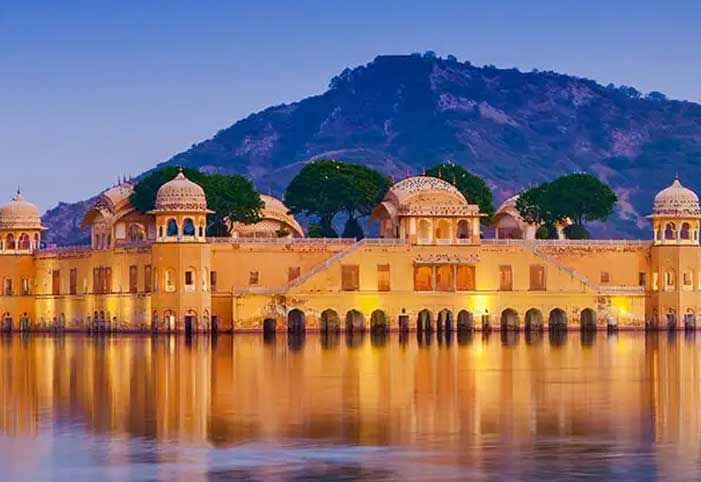
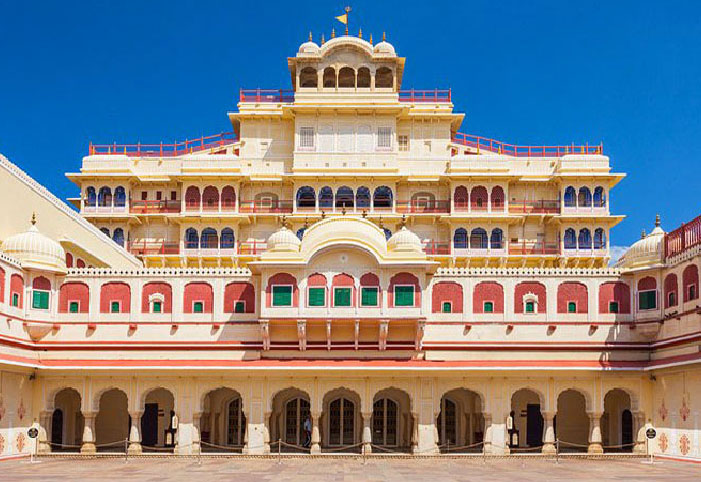
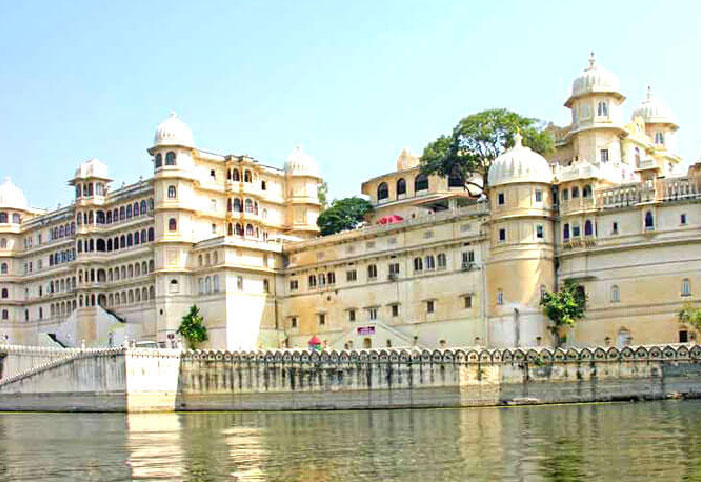
Jaipur and Udaipur, known for their royal heritage, are also popular among foreign tourists. While they are more traditional compared to metro cities, their hospitality industry is well-developed and accustomed to international visitors. Staying in premium hotels or heritage properties in these cities ensures a comfortable experience.
Kerala, in South India, is another excellent option. Known for its natural beauty and wellness tourism, it offers a peaceful and welcoming environment. The focus on tourism and international visitors makes it easier for LGBTQ travelers to feel accepted.
Using a car rental with driver in India is particularly beneficial when exploring multiple cities. It provides a seamless travel experience, allowing you to move between destinations safely and comfortably without relying on public transport.
When planning your itinerary, focusing on well-known tourist circuits ensures better infrastructure, safer environments, and more inclusive services. By selecting the right destinations, you can significantly enhance your overall travel experience in India.
Luxury Accommodations. Uncompromised Peace of Mind
We partner exclusively with premium and heritage properties known for their world-class hospitality and inclusive environments. Let us manage the details while you enjoy the journey.
Practical Safety Tips for LGBTQ Travelers in India
Traveling safely in India as an LGBTQ tourist is largely about awareness, preparation, and making informed choices. While the country is generally safe, following practical guidelines can help you avoid uncomfortable situations and enjoy your journey with confidence.
One of the most important tips is to be mindful of public behavior. As mentioned earlier, public displays of affection are not common in India. Maintaining a respectful and discreet approach helps you avoid unwanted attention. This is not about hiding your identity but about adapting to local cultural norms.
Choosing the right accommodation is equally important. Booking LGBTQ-friendly hotels in India or internationally recognised hotel chains ensures a comfortable and respectful stay. Reading reviews from other travelers can also give you a clear idea of how welcoming a property is.
Transportation plays a major role in your overall experience. Opting for a private car with driver India travel service provides safety, convenience, and privacy. It also reduces the need to navigate unfamiliar public transport systems, which can sometimes be overwhelming for first-time visitors.
Communication is another key aspect. English is widely spoken in tourist areas, making it easier for foreign travelers to interact with locals. Being polite and respectful in your communication goes a long way in ensuring positive interactions.
It is also advisable to stay informed about your surroundings. Avoid isolated areas at night and stick to well-lit and populated locations. Using trusted travel services and following basic safety precautions ensures a smooth and enjoyable trip.
By combining awareness with smart planning, LGBTQ travelers can experience India safely and comfortably. The country offers incredible diversity and cultural richness, and with the right approach, your journey can be truly unforgettable.