Most Beautiful & Authentic Streets of Jaipur Loved by Foreign Travelers
Explore Jaipur’s Most Photogenic and Authentic Streets
Jaipur, the Pink City, is one of India’s most colourful and culturally layered destinations. Beyond its famous forts, palaces, museums, and stepwells, the true charm of Jaipur lies in its streets. These streets carry centuries of history, royal architecture, traditional markets, spice aromas, handicrafts, local life, and everyday energy that cannot be captured inside monuments alone. Travelling through Jaipur’s most authentic streets by private car and driver allows foreign travellers to understand the city’s character from close range. Every lane tells a story, every corner holds a tradition, and every façade reflects the design brilliance of Rajasthan’s heritage.
These streets are not modern attractions—they are living spaces where artisans continue their old crafts, families follow rituals passed across generations, and vibrant marketplaces form the soul of Jaipur. For international travellers, walking or driving through these iconic areas becomes a cultural experience that reveals the city’s heart. The Pink City’s geometry, colours, and layouts were designed with precision during the 18th century, and many streets still follow the original city blueprint. Exploring these lanes offers an intimate understanding of Jaipur’s roots, lifestyle, and artistic identity.
This full-length guide takes travellers through the most beautiful and authentic streets of Jaipur, explaining their history, atmosphere, cultural identity, architectural appeal, and emotional connection that makes them unforgettable.
The Historic Charm of Johari Bazaar Road
Johari Bazaar Road is one of Jaipur’s most iconic streets, known for its traditional jewellery markets, colourful storefronts, pink arches, and heritage-style shops. The street reflects the artistic brilliance of Rajasthan’s gems and jewellery craft. Travellers find rows of stores filled with polki jewellery, meenakari work, gemstone settings, silver pieces, and handcrafted ornaments. The atmosphere feels festive throughout the day, with vibrant colours, local chatter, and graceful architectural lines stretching across both sides.
The street’s charm comes from the combination of royal heritage and everyday life. Jaipur’s centuries-old jewellery traditions began here, and the artisans continue to preserve these methods. Travelling through this street with a private driver helps visitors navigate the busy areas, find comfortable drop-off spots, and explore the market easily. The visual appeal of Johari Bazaar Road, especially during early mornings and golden-hour evenings, makes it one of the most photographed streets in the city.
Explore Jaipur with a Private Driver
Discover the real streets of Jaipur loved by foreign travellers. Travel comfortably with an experienced private driver and local support.
The Artistic Soul of Bapu Bazaar Street
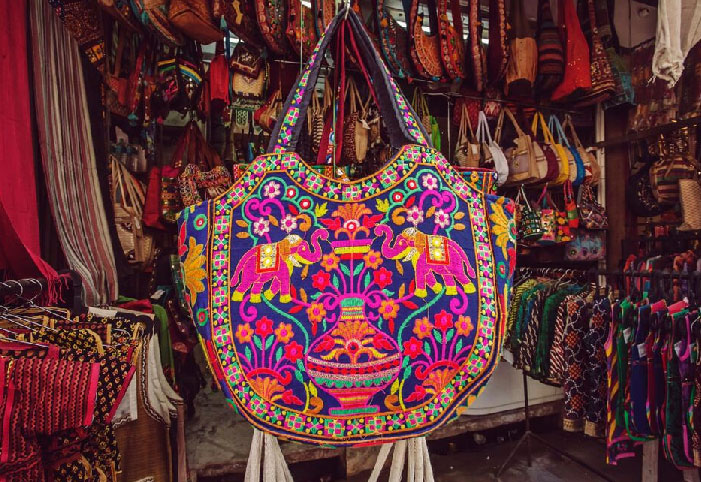
Bapu Bazaar is the textile heart of Jaipur. This wide, colourful street is famous for traditional fabrics, block-printed garments, quilts, lac bangles, mojari shoes, and handcrafted souvenirs. The energy here is vibrant, filled with sellers presenting their work and travellers admiring the fusion of art and tradition. The street's character represents Rajasthan’s textile history through colourful patterns, geometric block designs, and handprinted art that has been passed down through generations.
Walking through Bapu Bazaar allows travellers to enjoy the visual charm of painted facades, symmetrical arches, and open walkways. Its atmosphere feels creative and lively, with shops displaying bright fabrics that create a rainbow-like effect along the road. Travelling with a private driver helps visitors move conveniently through the market without worrying about parking or traffic delays. For foreign travellers seeking authentic shopping experiences, Bapu Bazaar remains one of the best streets in Jaipur.
The Cultural Depth of Tripolia Bazaar Street
Tripolia Bazaar Street offers a deeper and more traditional feel compared to the newer commercial areas. This street is known for ironware, marble pieces, brass artefacts, carpets, textiles, and everyday local shops that serve Jaipur’s residents. The architecture reflects Jaipur’s old-city planning, with arched gateways, narrow shopfronts, and a constant flow of local life that brings authenticity to the experience.
The atmosphere contains a sense of nostalgia. Travellers witness scenes of artisans working in their studios, shopkeepers arranging traditional goods, and families visiting temples or local markets. A private car and driver becomes extremely helpful here because Tripolia Bazaar’s inner lanes can be busy and difficult for first-time visitors to navigate. The visual charm, combined with the cultural richness of daily life, makes this street a powerful representation of Jaipur’s heritage identity.
The Picture-Perfect Hawa Mahal Road
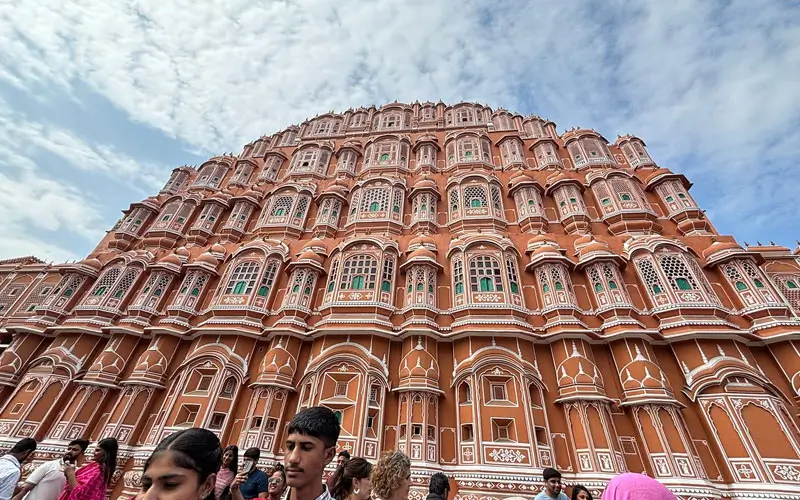
Hawa Mahal Road is one of Jaipur’s most photographed streets because it leads directly to the iconic Hawa Mahal façade. The palace rises above the street like a honeycomb of windows glowing in pink stone. Travelling through this street offers travellers one of the most memorable views in the city. Early mornings bring soft golden light on the façade, making the street appear magical.
This road is lined with small cafés, handicraft shops, local vendors, and rooftop restaurants that overlook the Hawa Mahal. The street captures the cultural energy of Jaipur while offering photographic opportunities at every step. With a private driver, visitors can stop comfortably near the best angles without dealing with traffic pressure. The combination of heritage architecture and daily city rhythm makes this one of the most charming streets in the Pink City.
The Spiritual Ambience of Brahmapuri Street
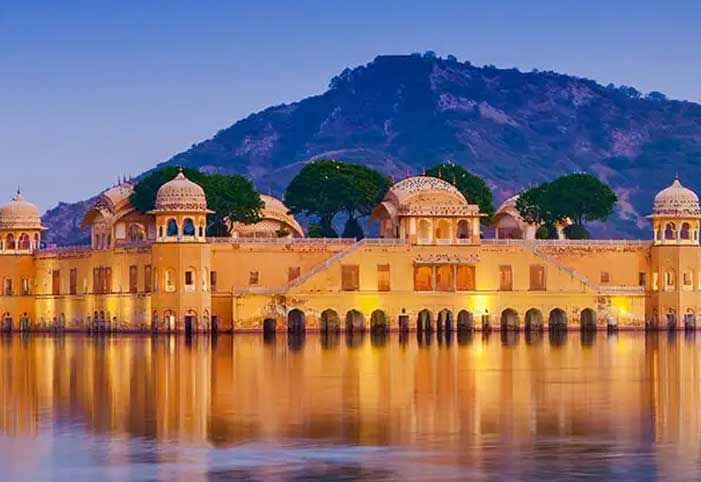
Brahmapuri, located near the famous Jal Mahal, is one of Jaipur’s oldest neighbourhoods. The street exudes a calm and spiritual energy, lined with temples, traditional homes, and historical structures. This area once housed old royal workers and artisans, and many families still preserve the original architectural style of Jaipur’s early settlement years. The houses are painted in soft pastel shades, complementing the pink city’s colour palette.
Walking or driving through Brahmapuri allows travellers to see Jaipur’s religious traditions, morning rituals, and peaceful routines. The proximity to Jal Mahal adds a scenic touch, as the calm waters of the lake create a refreshing environment. Travelling by private car ensures comfortable movement through narrow residential lanes that might be difficult for first-time visitors.
The Timeless Beauty of Jaipur’s Old City Streets
The old city of Jaipur consists of multiple interconnected lanes that carry the original blueprint designed by Maharaja Sawai Jai Singh II. These lanes follow a grid pattern inspired by ancient vastu principles. Travelling through these streets reveals houses with jharokha-style windows, painted walls, open courtyards, and traditional wooden doors. The old city streets are filled with sweet shops, saree stores, workshops, spice stalls, vegetable markets, and everyday life that forms the authentic Jaipur atmosphere.
Foreign travellers appreciate these lanes because they offer a deep cultural connection without any artificial tourist settings. The visuals include men wearing turbans, women carrying pots, markets selling colourful spices, and artisans practising their ancestral craft. A private driver can navigate through these crowded lanes while dropping travellers at quieter corners where walking becomes more enjoyable.
The Craftsmanship of Ghat Darwaza Streets
The area around Ghat Darwaza showcases Jaipur’s craft culture at its finest. This street contains small workshops where artisans create pottery, metalwork, puppets, jewellery, wood carvings, and traditional décor pieces. Travellers can witness the making process, interact with craftsmen, and observe the skills that have been preserved for centuries.
The street’s rustic charm comes from its earthy tones, historical structures, narrow alleys, and local art studios. Travelling by private car allows convenient access to these hidden pockets where travellers can appreciate Rajasthan’s deep artistic heritage away from tourist-heavy areas.
The Marketplace Rhythm of Chandpole Bazaar Road
Chandpole Bazaar is one of the most authentic traditional markets in Jaipur. The street is known for marble shops, handicrafts, paper-art stalls, jaipur-style decorations, and artefacts. The market’s architecture retains its original form with pink archways, symmetrical shopfronts, and wide walking paths.
Foreign travellers enjoy visiting Chandpole Bazaar because it feels like stepping back in time. The street scenes include local vendors bargaining, artisans carving marble, carts carrying colourful goods, and food stalls serving traditional snacks. The rhythm of daily life creates an atmosphere that is rich in culture and visually immersive. A private driver ensures travellers explore the bazaar comfortably without getting lost in the maze-like inner lanes.
The Royal Elegance of Amer Road
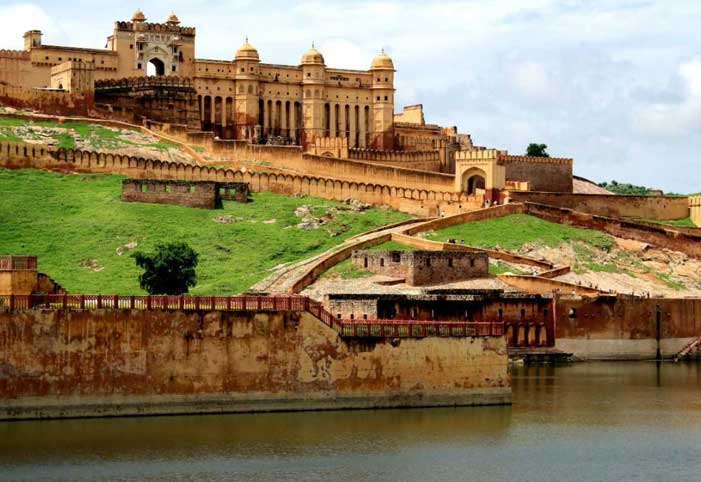
Amer Road connects the main city to the grand Amer Fort. The entire stretch feels culturally rich, with views of old temples, lake reflections, sandstone structures, roadside markets, and fort walls. Travelling along this road is a highlight for many foreign travellers because it combines heritage and natural scenery.
The road also passes by Jal Mahal, where the reflection of the floating palace on the lake creates a dreamlike scene. Travelling by private car and driver allows visitors to stop for photographs along the lakefront, enjoy the views, and visit nearby artisan shops that specialise in block-printing and carpets.
The Blue Hues of Brahmpuri–Kanak Ghati Stretch
The stretch between Brahmpuri and Kanak Ghati often surprises travellers with its colourful atmosphere. Many houses are painted in shades of blue and green, similar to the blue-city style of Jodhpur. The street offers views of mountains, temples, gardens, and traditional homes.
This area lies close to Kanak Vrindavan Garden and provides scenic drives where travellers can enjoy both nature and heritage. With a private driver, visitors can comfortably explore different corners without worrying about narrow turns or limited parking.
Why These Streets Are Loved by Foreign Travelers
Foreign travellers appreciate Jaipur’s streets because they offer a blend of beauty, culture, authenticity, and everyday life. These streets highlight open markets filled with colours, traditional homes with artistic details, craft studios filled with creativity, and centuries-old buildings that define Jaipur’s architectural heritage. Walking through these lanes becomes a visual and emotional journey, making the Pink City feel alive in ways that monuments alone cannot express.
A private driver enhances this experience by providing safe navigation through crowded areas, easy drop-offs near scenic lanes, and personalised support for photography, shopping, and cultural exploration.