How to Plan India Tour from Europe - Complete Guide for Travelers
How to Plan an India Tour from Europe: A Complete Travel Guide
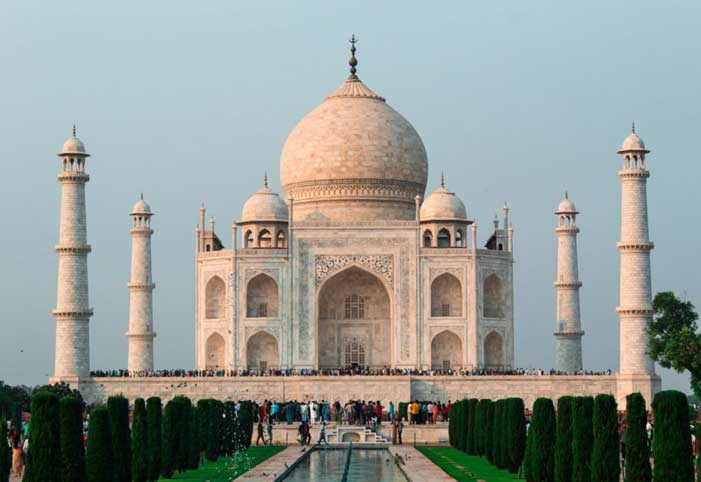
Imagine you are sitting in Paris, Berlin, or Rome, thinking about visiting India for the first time. You’ve seen pictures of the Taj Mahal, Rajasthan palaces, Kerala backwaters, and Goa beaches. But at the same time, one question keeps coming up—how do you actually plan such a complex trip in a country so different from Europe? This is exactly where understanding how to plan India tour from Europe becomes important.
European travelers are used to structured systems—easy train connections, predictable roads, and organised tourism. India, on the other hand, is more dynamic. It offers incredible experiences, but without proper planning, it can feel overwhelming. This is why the first step in planning is not booking flights—it is understanding how travel works in India.
Most European tourists visiting India start by deciding the type of experience they want. Some prefer cultural exploration, focusing on historical cities like Delhi, Agra, and Jaipur. Others want relaxation, choosing destinations like Kerala or Goa. Many travelers combine both to create a balanced itinerary.
The next step is duration. Unlike short European trips, India requires more time because distances are large and experiences are diverse. A typical trip from Europe ranges between 10 to 20 days, depending on how many regions you want to cover.
Transportation planning is one of the biggest differences. In Europe, trains are the easiest option. In India, while trains exist, most European travelers prefer a private car with driver in India. This provides comfort, flexibility, and a stress-free experience.
Accommodation is easier to plan because India offers a wide range of options. From boutique hotels to luxury stays, European travelers often find better value compared to their home countries.
The biggest mistake many travelers make is underestimating the need for structure. India rewards well-planned trips. Once your itinerary, transport, and stays are organised, the country becomes much easier to explore.
Planning your India trip from Europe is not difficult—it just requires the right approach from the beginning.
Travel Across India with Comfort and Confidence
Whether you're visiting India for the first time or returning to discover more, our private tours provide the perfect balance of flexibility, safety, and authentic experiences.
Choosing the Right Itinerary for Europe to India Travel
One of the most important steps in planning India trip from Europe is selecting the right itinerary. India is not a country you can explore randomly; choosing the correct route determines how comfortable and enjoyable your journey will be.
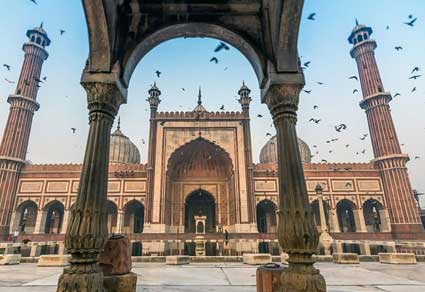
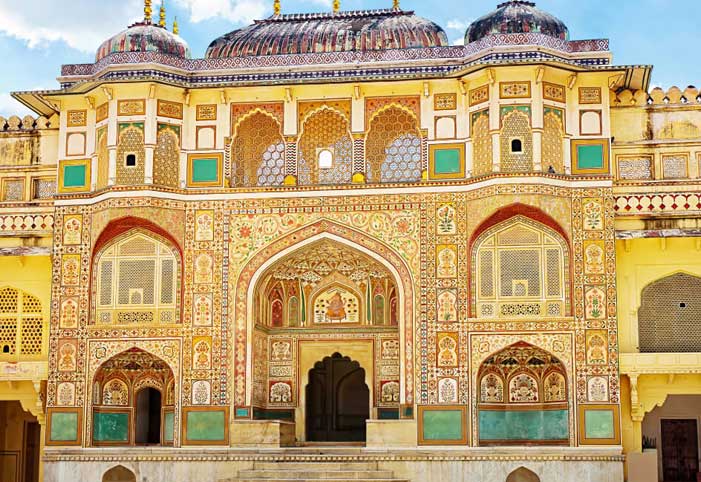
For first-time European travelers, the most recommended route is the Golden Triangle: Delhi, Agra, and Jaipur. This itinerary offers a perfect introduction to India’s culture, history, and architecture. It usually takes 5–7 days and is best experienced with a private driver in India for tourists, ensuring smooth travel between cities.
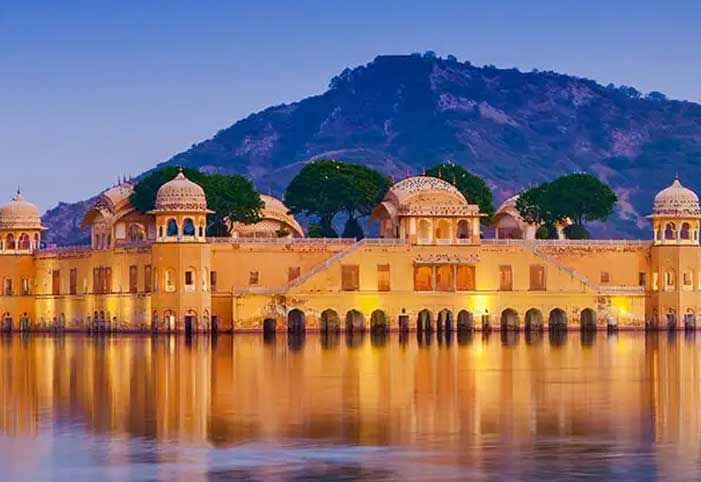
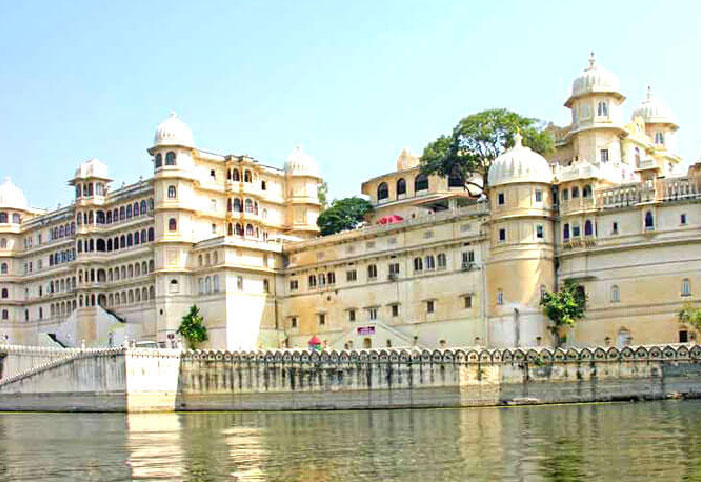
Many travelers extend this route to include Udaipur, known for its lakes and romantic atmosphere. This adds a more relaxed element to the trip and balances the busy cities with peaceful surroundings.
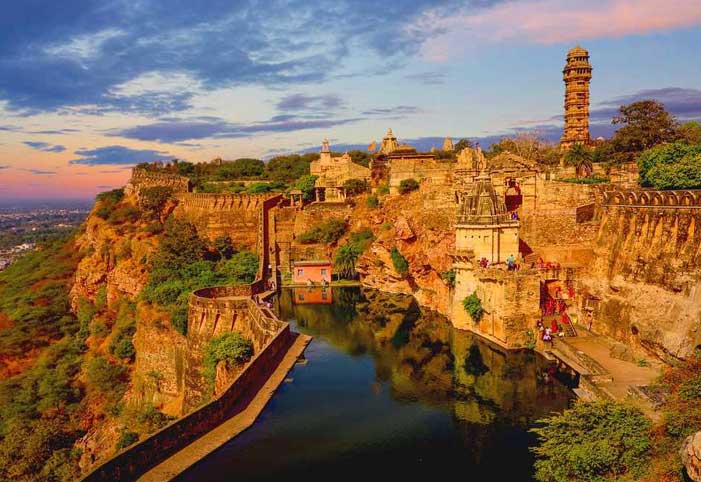
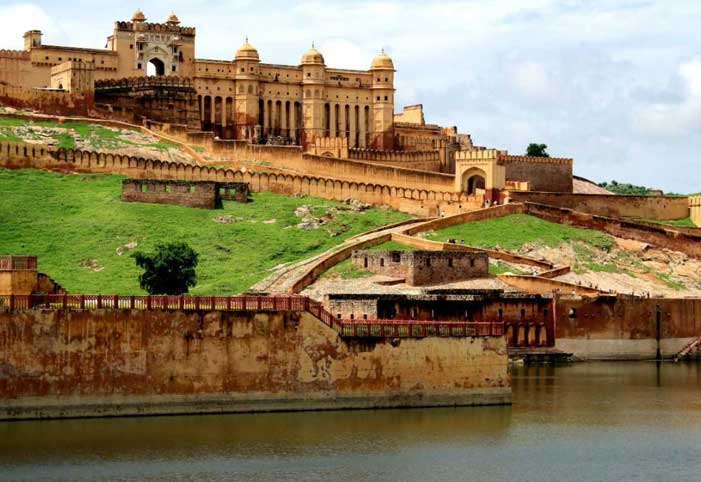
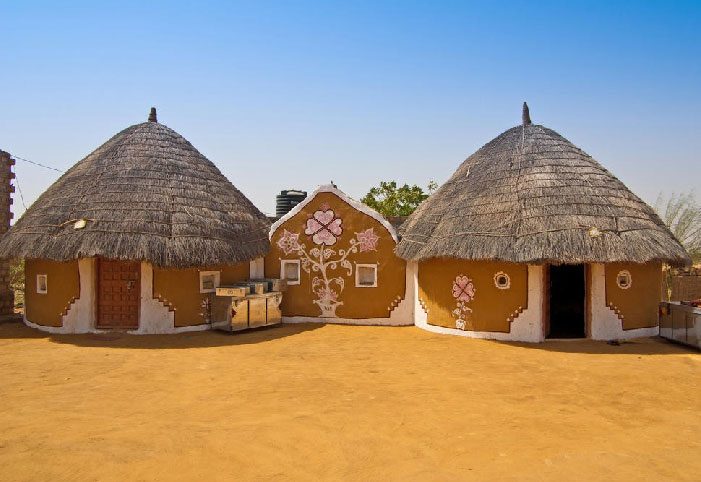
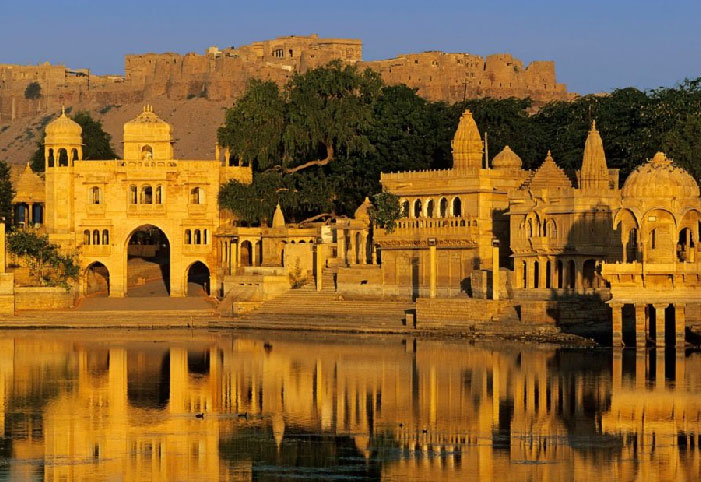
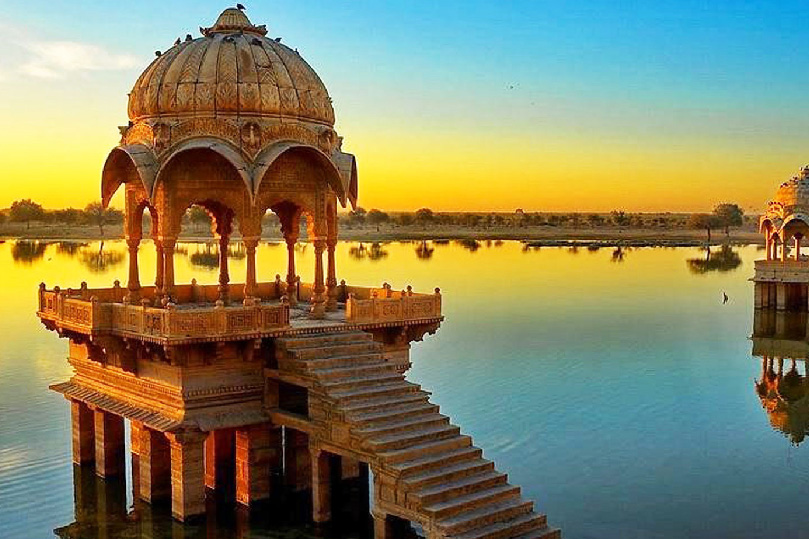
For those who want a deeper cultural experience, Rajasthan is an excellent choice. Cities like Jodhpur, Jaisalmer, and Bikaner offer forts, deserts, and unique heritage stays. This itinerary requires 10–14 days and works best with a car rental with driver in India.
European travelers who prefer nature and relaxation often choose South India. Kerala is one of the most popular destinations, offering backwaters, greenery, and wellness experiences. This region provides a completely different atmosphere compared to North India.
Goa is another favourite, especially for travelers looking to relax after exploring cultural destinations. Beaches, nightlife, and a laid-back environment make it a perfect ending to the trip.
A well-balanced itinerary for European travelers often looks like this:
Delhi → Agra → Jaipur → Udaipur → Kerala or Goa
This combination ensures that you experience both culture and relaxation without feeling rushed.
Choosing the right itinerary is not about covering as many places as possible—it is about creating a smooth and enjoyable journey.
Visa, Flights and Entry Planning from Europe
Before traveling, European tourists must handle practical aspects such as visas and flights. Understanding these steps simplifies the process of Europe to India travel planning.
India offers an e-visa system for most European countries. The application process is online and straightforward. Travelers need to fill out a form, upload documents, and receive approval before departure. This makes entry into India convenient and efficient.
Flights from Europe to India are widely available. Major cities like London, Paris, Frankfurt, and Rome have direct or connecting flights to Delhi, Mumbai, and other major Indian cities.
Flight prices vary depending on season and booking time. Booking early usually results in better prices. Flexible travel dates also help in finding cheaper options.
Travel duration depends on the route. Direct flights take around 8–10 hours, while connecting flights may take longer.
Arrival planning is equally important. Booking airport pickup in advance ensures a smooth start to your journey. Many travelers prefer arranging a private car with driver in India from the airport to avoid confusion.
Currency exchange, travel insurance, and basic preparation should also be completed before departure.
Handling these practical steps in advance ensures that your journey begins without stress and confusion.
Transportation Planning – Why Private Driver is Best for Europe Travelers
Transportation is one of the biggest differences between Europe and India. For European tourists traveling in India, choosing the right transport option is essential.
Public transport in India can be crowded and complex. While trains are popular, they may not provide the same comfort and predictability that European travelers are used to.
This is why most travelers choose a private car with driver in India. This option provides complete control over your journey. You can travel at your own pace, stop whenever you want, and avoid the hassle of managing multiple transport systems.
A private driver also offers local knowledge. They understand routes, traffic, and safe areas, making your journey smoother. For European travelers unfamiliar with Indian roads, this is a major advantage.
Comfort is another key factor. Long-distance travel becomes much easier in a private vehicle. Air-conditioned cars, luggage space, and flexible schedules make a significant difference.
Cost is surprisingly reasonable. Compared to European taxi prices, hiring a private driver in India for travel is very affordable.
For multi-city trips, this option becomes even more valuable. It eliminates the need for repeated bookings and ensures continuity throughout your journey.
Choosing the right transport is not just about convenience—it defines your entire travel experience in India.
Explore India Beyond the Guidebooks
Experience the true essence of India with a personalized tour designed around your interests. Our professional drivers, local expertise, and carefully planned itineraries ensure a smooth and enriching journey through India's most fascinating destinations.
Cost Planning for Europe to India Trip
Understanding cost is essential for planning India tour from Europe. India offers a wide range of options, making it suitable for both budget and luxury travelers.
Flights are the biggest expense. Depending on location and season, return tickets usually range between €400 to €900.
Accommodation costs vary depending on preference:
- Budget hotels: €20–€50 per night
- Mid-range hotels: €50–€120 per night
- Luxury hotels: €150–€400+ per night
Transportation with a private car with driver in India typically costs €40–€90 per day depending on vehicle type.
Food is relatively affordable. Daily expenses for meals range between €10–€30 for comfortable dining.
Sightseeing costs are also reasonable, with entry tickets ranging from €5–€25 per attraction.
For a 12-day trip, a European traveler can expect:
- Budget trip: €1200–€1800
- Comfortable trip: €1800–€3000
- Luxury trip: €3500+
India allows flexibility. You can adjust your spending without compromising your experience.