Public Behavior & Cultural Norms for Gay & Lesbian Travelers in India
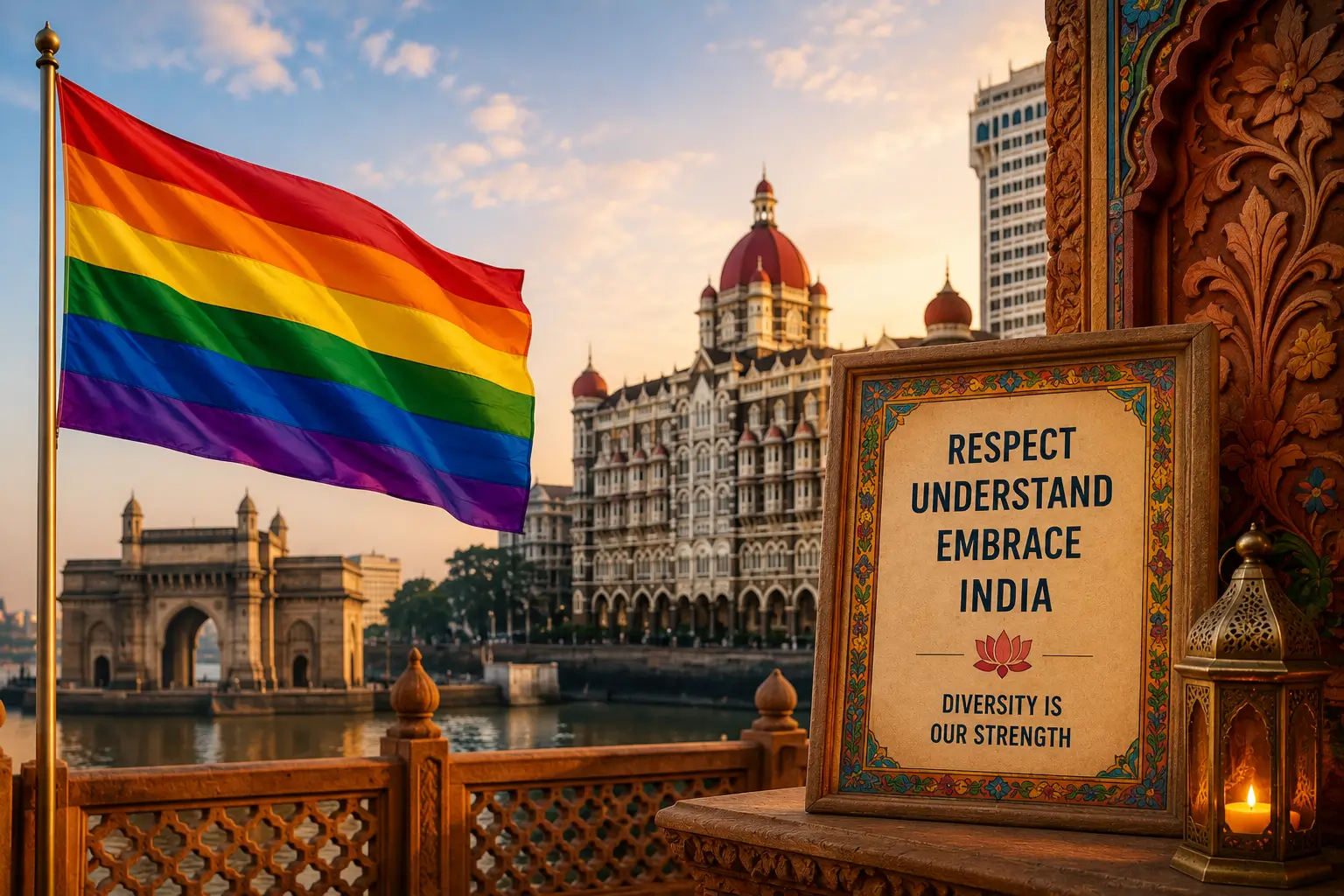
Understanding Public Behavior in India for LGBTQ Travelers
When planning LGBTQ travel in India, one of the most important aspects to understand is how public behavior works in everyday life. India is a culturally rich country where social conduct is shaped by tradition, respect, and community values. For gay and lesbian travelers in India, understanding these unwritten rules helps create a smooth and comfortable travel experience.
Public behavior in India is generally conservative, regardless of sexual orientation. Displays of affection such as hugging, kissing, or even holding hands are not commonly seen in many parts of the country. This applies equally to heterosexual couples. For same-sex couples in India, this cultural norm becomes even more important to understand, as visibility can attract attention.
It is essential to recognise that this is not about restriction but about context. India values modesty in public spaces, and people tend to keep personal relationships private. For LGBTQ tourists in India, adapting to this environment helps avoid unnecessary curiosity or discomfort.
In urban areas such as Mumbai and Delhi, behavior is more relaxed, and you may notice couples being slightly more expressive. However, even in these cities, a certain level of discretion is still considered appropriate. In smaller towns and rural areas, traditional values are stronger, making it advisable to be more mindful of public conduct.
Curiosity is a common response in India. Travelers may notice people looking at them, especially if they stand out as foreign visitors. For gay travelers in India and lesbian tourists in India, it is important to understand that this curiosity is often not hostile but simply a reflection of unfamiliarity.
Choosing the right travel approach can make a significant difference. Using a private car with driver in India allows you to move between locations comfortably while maintaining privacy. It also reduces exposure to crowded public environments where behavior may be more closely observed.
Understanding public behavior is the foundation of a positive travel experience. By aligning with local norms, LGBTQ travelers in India can navigate the country confidently and comfortably.
Your Private Safe Space on Indian Roadsd
Navigating local cultural norms in public spaces is easier when you have a secure retreat. Book a premium private car with a professional, respectful driver who understands your need for privacy.
Cultural Norms That Influence LGBTQ Travel in India
Cultural norms play a major role in shaping the experience of LGBTQ travel India. India is a society where tradition, religion, and social expectations influence how people interact and behave in public.
One of the key cultural aspects is the emphasis on privacy in personal relationships. In many Indian communities, relationships are considered a private matter rather than something to be openly displayed. For gay and lesbian couples in India, this means that maintaining a low-profile approach in public aligns with local expectations.
Family and social structures also influence cultural norms. Indian society places a strong emphasis on family values, which can sometimes limit open discussions about sexuality. However, this does not necessarily translate into hostility toward travelers. Most locals focus on hospitality and respect rather than personal identity.
In tourist areas, cultural norms are more flexible. Exposure to international visitors has created a more open environment, making it easier for LGBTQ tourists in India to feel comfortable. Hotels, restaurants, and travel services in these areas are accustomed to diverse guests and generally provide a welcoming atmosphere.
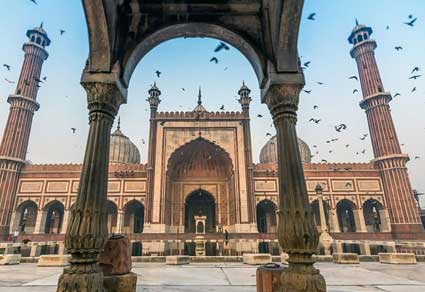
Religious sites and traditional locations require additional sensitivity. Dressing modestly and behaving respectfully is important when visiting temples, mosques, or historical sites. This applies to all travelers, not just LGBTQ individuals.
Understanding these cultural norms helps you navigate different situations with confidence. By respecting local customs, same-sex couples traveling in India can enjoy their journey without unnecessary challenges.
Public Interaction and Social Perception in India
Social interactions in India are shaped by respect, curiosity, and community values. For LGBTQ travelers in India, understanding how people perceive and interact with visitors helps create a more comfortable experience.
Indians are generally friendly and welcoming toward tourists. Hospitality is a deeply rooted cultural value, and most people are eager to assist visitors. For gay and lesbian tourists in India, this often translates into positive interactions, especially in tourist-friendly areas.
However, social perception can vary depending on location. In metropolitan cities, people are more accustomed to diversity and may not pay much attention to travelers. In smaller towns, where exposure to LGBTQ identities may be limited, curiosity is more common.
This curiosity can manifest as staring or asking questions. It is important to interpret these reactions correctly. In most cases, they are not meant to be intrusive or disrespectful but are simply a result of unfamiliarity. Responding calmly and politely helps maintain a positive interaction.
Public conversations about relationships are generally avoided in India. Personal topics are often kept private, and discussing them openly with strangers may feel unusual. For same-sex couples in India, maintaining a level of discretion in conversations helps align with local norms.
Using a private driver in India for tourists can enhance comfort by providing a familiar point of contact throughout your journey. It allows you to navigate social interactions more easily and ensures a smoother travel experience.
Understanding social perception helps you approach interactions with confidence and clarity. By respecting local communication styles, LGBTQ travel in India becomes more enjoyable and stress-free.
Experience India’s Beauty Without the Stress
Don't let cultural anxieties hold you back from exploring India's incredible heritage. Let us design a customized, all-inclusive private tour featuring welcoming hotels and dedicated transit.
Dressing, Body Language and Public Presentation
Appearance and body language play an important role in how travelers are perceived in India. For LGBTQ travelers in India, adapting to local expectations helps create a comfortable and respectful presence.
Dressing modestly is generally recommended, especially in traditional or religious areas. This does not mean compromising your personal style but rather choosing clothing that aligns with the environment. In urban areas, fashion is more diverse, and travelers can dress more freely.
Body language is another important aspect. Public gestures of affection are limited across India, so maintaining a neutral and respectful posture helps avoid unnecessary attention. For gay couples in India and lesbian travelers in India, subtlety in body language aligns with cultural expectations.
Eye contact, gestures, and tone of voice also influence interactions. Being polite and respectful in your communication helps create positive experiences with locals.
In tourist areas, travelers have more flexibility in their presentation. However, understanding the context of each location ensures that you adapt appropriately.
Traveling with a private car with driver in India provides an added layer of comfort, allowing you to maintain your personal space while moving between destinations.
By paying attention to dressing and body language, LGBTQ tourists in India can navigate public spaces with confidence and ease.
Navigating Public Spaces Comfortably as an LGBTQ Traveler
Public spaces in India vary widely, from busy markets and historical sites to modern malls and cafes. For LGBTQ travel in India, understanding how to navigate these spaces comfortably is essential.
Tourist attractions and well-known locations are generally safe and welcoming. These areas are accustomed to international visitors and provide a comfortable environment for gay and lesbian travelers in India.
Markets and crowded areas can be overwhelming, especially for first-time visitors. Staying aware of your surroundings and keeping your belongings secure helps ensure a smooth experience.
Modern spaces such as malls, cafes, and restaurants offer a more relaxed environment. These locations are often more open-minded and provide a comfortable setting for LGBTQ tourists in India.
Transportation is another important aspect of navigating public spaces. Public transport can be crowded, making it less comfortable for some travelers. Using a car rental with driver in India allows you to move between locations safely and conveniently.
Timing also plays a role. Exploring during the day and early evening is generally more comfortable. At night, sticking to well-known areas ensures safety.
By understanding how to navigate public spaces, same-sex couples traveling in India can enjoy their journey with confidence and comfort.