Taj Mahal Entry Tickets, Timings & Rules for Tourists
Best Time to Visit the Taj Mahal
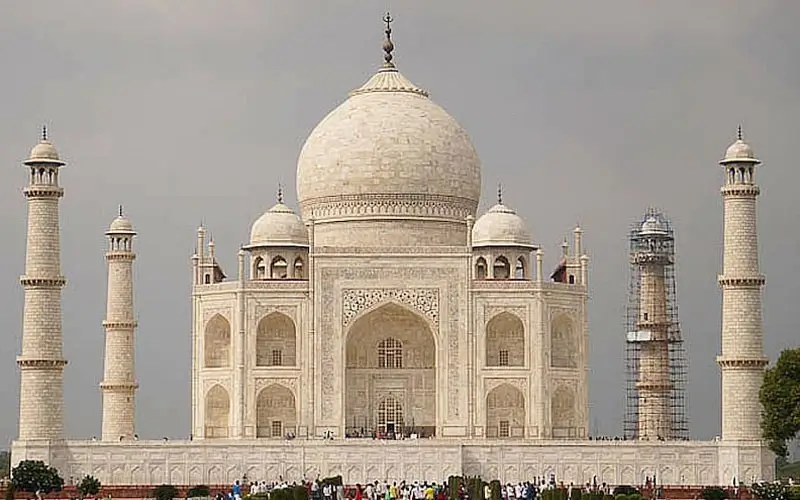
The Taj Mahal looks different throughout the day, and choosing the right time can completely change your experience. Early morning is considered the best time to visit because the weather is cooler, security queues are shorter, and the soft sunlight creates excellent photography conditions.
Winter months from October to March are generally the most comfortable for sightseeing, while summer afternoons can become extremely hot. During the monsoon season, the surrounding gardens become lush and green, although occasional rain may affect visibility.
If your itinerary is flexible, weekdays usually offer a calmer experience than weekends and public holidays. Planning your visit around sunrise also allows you to avoid the largest crowds while enjoying the monument in peaceful surroundings.
Taj Mahal Opening Hours
|
Day |
Opening Time |
Closing Time |
| Friday | Closed | Closed |
| Saturday – Thursday | Sunrise | Sunset |
Understanding Entry Tickets for International Tourists
Entry tickets for the Taj Mahal are structured differently for domestic and international visitors. Foreign tourists are required to purchase a ticket specifically categorized for non-Indian nationals, which includes access to the main complex and designated visitor areas. This distinction exists to manage visitor flow and preserve the monument while ensuring transparency in pricing.
Tickets are typically available through official counters and authorized platforms. International travelers are encouraged to rely only on verified sources to avoid confusion or overpayment. Understanding where and how tickets are issued helps prevent unnecessary delays at entry points.
The ticket generally grants access to the landscaped gardens, the main marble platform, and the mausoleum interior, subject to crowd control measures. Certain optional sections or add-ons may be regulated separately depending on operational conditions.
Foreign tourists benefit from purchasing tickets in advance when possible. Advance planning reduces waiting time, especially during high-traffic periods, and allows visitors to arrive with clarity rather than uncertainty.
Taj Mahal Entry Ticket Prices
|
Visitor Type |
Entry Ticket |
| Indian Citizens | ₹50 |
| Foreign Tourists | ₹1,100 |
| SAARC / BIMSTEC Citizens | ₹540 |
| Main Mausoleum Entry | Additional ₹200 |
(Note: Prices may change. Always verify before travel.)
Where to Buy Taj Mahal Tickets
Many visitors make the mistake of purchasing tickets from unofficial agents or middlemen. To avoid unnecessary charges, always buy tickets from official booking counters or authorized online platforms.
Booking in advance is especially helpful during the peak tourist season, as it reduces waiting time and allows travelers to plan their visit more efficiently.
Visitors should keep a digital or printed copy of their ticket along with a valid passport or government-issued identification.
Visiting Timings and Daily Access Windows
The Taj Mahal operates on defined visiting hours that are carefully regulated. Entry is allowed only during specific time windows each day, ensuring controlled visitor movement and monument preservation. Tourists should plan arrival in accordance with these official timings to avoid disappointment.
Morning hours are often preferred by international visitors due to calmer surroundings and more manageable entry flow. Early access helps travelers experience the monument before crowd density increases, especially during busy travel seasons.
Afternoon visiting windows remain popular as well, but they may involve longer queues. Tourists arriving later in the day should account for security procedures and internal movement time to ensure they can explore comfortably before closing.
Understanding daily access windows helps tourists align travel plans, transport arrangements, and sightseeing schedules effectively. This clarity prevents rushed visits and enhances overall comfort.
Taj Mahal Entry Tickets and Visitor Info
Want help with Taj Mahal entry tickets, timings and rules? Contact us now for complete guidance & easy planning for your visit!
Security Screening and Entry Procedures
Security screening at the Taj Mahal is comprehensive and mandatory for all visitors. The process is designed to protect both the monument and its visitors while maintaining order within the complex. Tourists should expect airport-style security checks upon entry.
Certain items are restricted inside the complex. Travelers are advised to carry only essential belongings to speed up screening and reduce inconvenience. Awareness of restrictions helps visitors move through checkpoints smoothly.
Foreign tourists unfamiliar with Indian security procedures may initially find the process detailed, but it is well-organized. Clear signage and staff guidance assist visitors throughout the screening stages.
Allowing sufficient time for security checks is essential. Arriving early ensures that entry procedures do not interfere with planned sightseeing duration.
What Items Are Allowed and Not Allowed Inside Taj Mahal
Allowed
- Mobile Phone
- Camera
- Small Water Bottle
- Passport / ID
- Small Purse
Not Allowed
- Food Items
- Tobacco Products
- Cigarettes
- Tripods
- Drones
- Large Bags
- Headphones
- Sharp Objects
Rules Governing Movement Inside the Complex
Movement within the Taj Mahal complex follows designated pathways and zones. These rules exist to manage crowds, protect architectural features, and ensure visitor safety. Tourists are expected to follow marked routes and instructions from staff.
Certain areas allow free movement, while others have controlled access to prevent congestion. This structured flow ensures that all visitors can experience the monument without overcrowding sensitive sections.
Visitors are required to respect barriers, signage, and restricted zones. Ignoring these guidelines can result in intervention by authorities and disrupt the visit.
Understanding movement rules beforehand allows tourists to navigate confidently and enjoy the monument without confusion or unnecessary interruptions.
Footwear, Cleanliness, and Preservation Guidelines
Preservation of the Taj Mahal’s marble surfaces is a priority. Visitors are required to follow specific footwear guidelines, especially when accessing the main platform and mausoleum interior. These measures prevent surface damage and maintain cleanliness.
Tourists may be asked to use protective coverings or remove footwear in designated areas. Clear instructions are provided on-site to guide visitors through this process smoothly.
Cleanliness rules extend beyond footwear. Littering, touching sensitive surfaces, or leaning against structures is discouraged to protect the monument’s integrity.
International tourists who respect these preservation guidelines contribute to the monument’s longevity and ensure a pleasant environment for all visitors.
Photography Rules and Visitor Conduct
Photography policies at the Taj Mahal are clearly defined. While photography is permitted in many areas, certain sections have restrictions to maintain decorum and protect sensitive interiors.
Tourists should observe posted signs indicating permitted and restricted photography zones. Compliance avoids misunderstandings and ensures uninterrupted enjoyment of the visit.
Visitor conduct is equally important. Maintaining respectful behavior, moderate noise levels, and orderly movement helps preserve the atmosphere of the monument.
Foreign tourists who understand and respect conduct guidelines often find their visit more peaceful and immersive.
- Visit during sunrise for soft lighting.
- Carry a wide-angle lens if using a DSLR.
- Avoid weekends for cleaner photographs.
- Respect photography restrictions inside the mausoleum.
- The famous Diana Bench remains one of the most popular photo locations.
Practical Planning Tips for International Tourists
Proper planning enhances the Taj Mahal experience significantly. Understanding entry tickets, timings, and rules allows tourists to focus on appreciation rather than logistics.
Arranging private transport with an English-speaking driver helps align arrival timing with entry windows and manage return travel smoothly. This coordination reduces stress, especially for first-time visitors.
Carrying necessary identification, staying hydrated, and wearing comfortable clothing further improve comfort during the visit.
International tourists who plan thoughtfully often experience the Taj Mahal as calm, organized, and deeply rewarding rather than overwhelming.
Taj Mahal Entry Tickets and Visitor Info
Want help with Taj Mahal entry tickets, timings and rules? Contact us now for complete guidance & easy planning for your visit!
Nearby Attractions to Combine with Taj Mahal
|
Nearby Attraction |
Distance from Taj Mahal |
| Agra Fort | 2 km |
| Mehtab Bagh | 5 km |
| Itmad-ud-Daulah (Baby Taj) | 4 km |
| Fatehpur Sikri | 40 km |
Managing Crowds While Respecting Regulations
Crowd management is an essential aspect of Taj Mahal operations. Entry limits, movement rules, and timed access help regulate visitor numbers and protect the monument.
Tourists should be prepared for varying crowd levels depending on timing and travel patterns. Staying patient and following instructions ensures smooth navigation even during busy periods.
Respecting regulations benefits not only individual visitors but also the overall environment of the complex. Cooperation helps maintain order and safety.
International travelers who remain flexible and respectful often find that even busy days can still offer meaningful moments within the complex.