Taj Mahal Night Viewing 2026-2027 – Complete Guide to Moonlit Tickets, Availability & Private Car Transfers
Everything You Need to Know About Taj Mahal Night Viewing
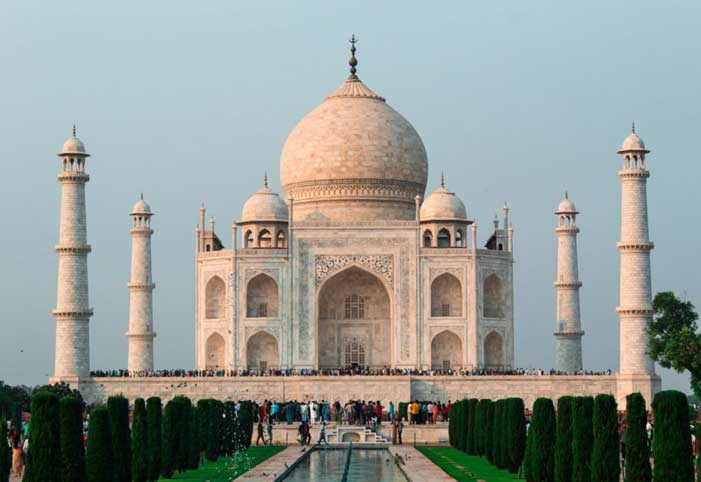
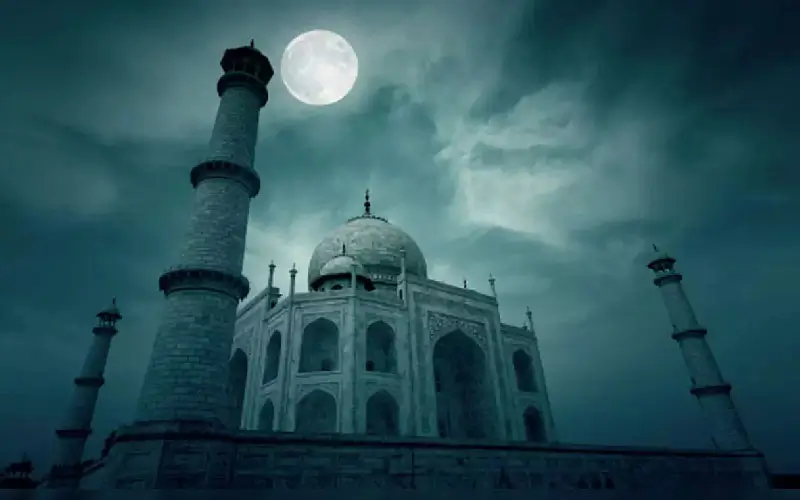
The Taj Mahal is universally admired at sunrise and sunset, yet its most ethereal appearance emerges under moonlight. The rare opportunity to witness Taj Mahal Night Viewing transforms the monument from a daytime architectural marvel into a luminous silhouette glowing against the night sky. Unlike standard daytime visits that draw thousands of visitors daily, night viewing sessions are strictly regulated and limited, making the experience more intimate and exclusive.
The marble façade reacts differently to lunar light compared to sunlight. During full moon phases, the monument reflects a soft silver sheen that enhances its symmetry and serenity. The Yamuna River behind the structure often appears darker, creating dramatic contrast that amplifies the Taj’s ethereal presence.
Planning a Taj Mahal moonlight tour with private car transfers requires understanding ticket regulations, viewing schedules, and security protocols. Night viewing is not available daily and is subject to archaeological guidelines and lunar calendars. Therefore, advance preparation becomes essential.
For travelers seeking a refined and less crowded Taj Mahal encounter, night viewing offers a rare alternative to daytime tours.
Why Visit the Taj Mahal at Night?
While millions of visitors experience the Taj Mahal during the day, only a limited number have the opportunity to witness it under the moonlight. The peaceful atmosphere, restricted visitor numbers, and soft glow of the white marble create an entirely different experience compared to daytime sightseeing.
Unlike daytime visits where the gardens and pathways remain busy throughout the day, night viewing allows visitors to appreciate the monument in relative silence. The changing shades of moonlight on the marble, combined with the calm surroundings, make it one of the most memorable experiences in India.
For couples, photographers, and travelers looking for something beyond the usual tourist itinerary, the moonlit Taj Mahal offers an unforgettable perspective that cannot be experienced during regular visiting hours.
Understanding Taj Mahal Night Viewing Rules and Eligibility
Night viewing at the Taj Mahal is permitted only on five specific nights each lunar month: the full moon night and two nights before and after it. This restriction preserves monument integrity while controlling visitor flow. The Archaeological Survey of India regulates entry, limiting the number of visitors per batch to ensure safety and preservation.
Each night is divided into small viewing slots, typically lasting around thirty minutes. Visitors are grouped into limited batches, allowing manageable crowd levels. Unlike daytime access to the entire complex, night viewing permits entry only to the main marble platform area and not inside the mausoleum.
Ticket booking procedures differ from standard daytime tickets. Reservations must be made in advance through authorized counters or approved processes. Identification documents are required at entry checkpoints.
Carrying prohibited items such as large bags, tripods, or electronic equipment is restricted. Security screening is thorough, emphasizing monument protection.
Understanding these guidelines is critical when planning a Taj Mahal night tour with private transfer, as arrival timing and document verification must align precisely with allotted viewing slots.
Booking Tips for International Tourists
- Book tickets as early as permitted.
- Carry the same passport used during booking.
- Keep both printed and digital ticket copies.
- Reach the ticket verification point well before your reporting time.
- Avoid planning tight connections after your viewing session.
These simple precautions help ensure a smooth entry experience.
Experience the Taj Mahal Under the Moonlight
Witness the magical beauty of the Taj Mahal at night with a peaceful and exclusive viewing experience. Book your private driver and plan a comfortable trip to Agra for this unforgettable moment.
Moonlight Effect on Taj Mahal Marble Architecture
The Taj Mahal’s white Makrana marble interacts uniquely with moonlight. Unlike daylight reflections that emphasize texture and intricate carvings, lunar illumination softens surface details and highlights silhouette form. The monument appears almost translucent under full moon conditions.
Subtle inlay work and pietra dura designs remain visible but muted, creating a minimalist aesthetic rarely experienced during daytime visits. Shadows cast by the four minarets extend dramatically across the platform.
The quiet environment enhances auditory perception. Without daytime chatter and tourist movement, the monument’s presence feels meditative. Even the Yamuna River’s faint flow contributes to ambient calm.
Photography during night viewing is restricted in many cases, encouraging visitors to experience the moment rather than document it extensively.
For couples and reflective travelers, the moonlit Taj Mahal experience carries emotional depth unmatched by daytime crowds.
Photography Tips for Night Viewing
Photography opportunities during night viewing are significantly different from daytime visits. Low light conditions require patience and careful camera settings where permitted.
If photography is allowed during your session:
- Avoid using flash.
- Keep camera movement to a minimum.
- Respect all restricted photography zones.
- Follow instructions from monument staff.
- Focus on enjoying the experience instead of spending the entire session taking pictures.
What Can You Actually See During Night Viewing?
Many visitors assume that night viewing provides access to the entire Taj Mahal complex, but the experience is more focused.
Depending on operational guidelines, visitors typically view the monument from designated areas near the main platform. The emphasis is on appreciating the marble monument illuminated by moonlight rather than exploring every section of the complex.
This controlled access helps preserve the monument while creating a calm and exclusive environment for visitors.
Ticket Availability and Advance Planning Strategy
Due to limited batch capacity, securing tickets for Taj Mahal full moon viewing requires strategic planning. Reservations are typically available only a few days prior to viewing dates, making schedule flexibility important.
Travelers arriving from Delhi or Jaipur should plan overnight stays in Agra to avoid long-distance late-night travel immediately after viewing sessions.
Working with a professional tour operator or arranging a private car Taj Mahal night transfer ensures punctual arrival at security checkpoints. Late arrival may result in denied entry regardless of ticket possession.
Peak months such as winter and holiday seasons may increase demand, further limiting availability.
Careful coordination of lunar calendar dates with broader itinerary planning enhances the likelihood of securing desired viewing slots.
Private Car Transfers from Delhi and Jaipur
Night viewing sessions typically begin after sunset and extend into late evening hours. Public transportation options may be limited at these times. Hiring a Private Car for Taj Mahal night tour ensures safe and comfortable transfers.
From Delhi, the drive to Agra takes approximately three to four hours depending on traffic. From Jaipur, travel time extends slightly longer. Professional chauffeurs coordinate departure timing to align with ticketed viewing slots.
Climate-controlled vehicles provide comfort during humid months. Drivers also manage parking logistics near monument gates.
Private transfers eliminate the stress of navigating highways after dark, especially for international travelers unfamiliar with regional roads.
Safety and punctuality remain paramount for night viewing experiences.
Why Private Transfers Make More Sense at Night
Unlike daytime sightseeing, night viewing ends relatively late. Finding reliable transportation after the session can sometimes be difficult, particularly for international visitors unfamiliar with local transport options.
A pre-booked private driver ensures that your vehicle is waiting nearby, allowing you to return comfortably to your hotel without worrying about taxi availability, language barriers, or late-night fare negotiations.
What to Carry for Taj Mahal Night Viewing
Recommended Items
- Passport / ID
- Printed Ticket
- Mobile Phone
- Light Jacket (Winter)
- Comfortable Shoes
- Small Wallet
- Water Bottle (if permitted)
Plan Your Magical Taj Mahal Night Visit
Enjoy a rare and peaceful view of the Taj Mahal under the night sky. Travel comfortably with a private driver and make your Agra trip truly unforgettable.
Ideal Itinerary Combining Day and Night Taj Visits
Some travelers combine sunrise and moonlight visits across two separate days. Experiencing the Taj Mahal under both natural lighting conditions provides architectural contrast.
Daytime tours allow interior mausoleum exploration and extended garden walks. Night viewing focuses on atmospheric observation.
Staying overnight in Agra enhances scheduling convenience.
A well-designed Taj Mahal night and day itinerary maximizes exposure while maintaining comfort.
Best Months for Taj Mahal Night Viewing
Clear winter skies often enhance lunar visibility. However, monsoon months occasionally produce dramatic cloud formations that frame the moonlight beautifully.
Weather conditions influence clarity but rarely cancel viewing sessions unless extreme conditions arise.
Planning around favorable lunar cycles ensures optimal experience.
Who Should Choose Night Viewing Experience
Couples seeking romantic ambiance, photographers desiring atmospheric perspectives, and travelers who prefer limited crowds benefit most.
It suits those willing to plan precisely around lunar calendars