Taj Mahal Photography Tour
Best Photography Spots on a Taj Mahal Photography Tour
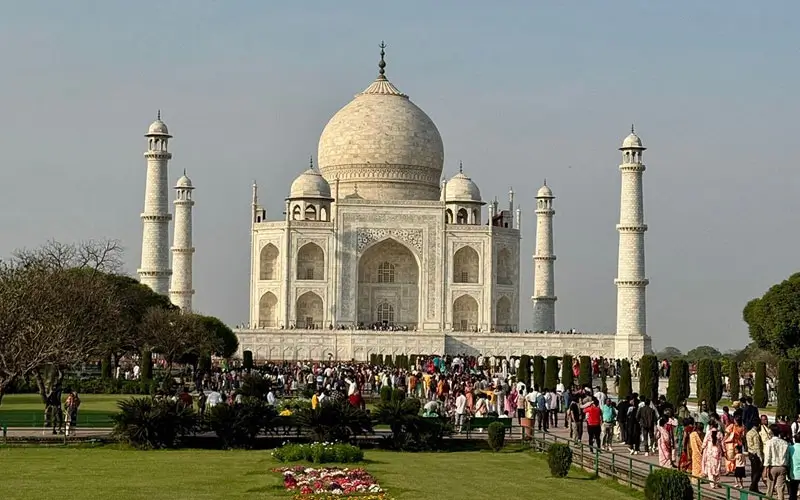
Photographing the Taj Mahal is not about owning the most expensive camera or lens. It is about understanding how light, space, crowd movement, and timing interact with the monument. Many travelers arrive with professional equipment but leave with ordinary images because they underestimate how sensitive the Taj Mahal is to timing.
The monument changes character throughout the day. Early light softens the marble, mid-day light flattens detail, and later hours introduce warmth and depth. A Taj Mahal photography tour focuses on being present at the right moment rather than rushing through predefined sightseeing windows.
Photography here requires patience. The Taj Mahal rewards stillness. Travelers who move slowly, observe shadows, and wait for quiet moments often capture images that feel emotional rather than documentary.
Understanding this mindset is the first step toward meaningful Taj Mahal photography.
Understanding Light and Atmosphere Around the Monument
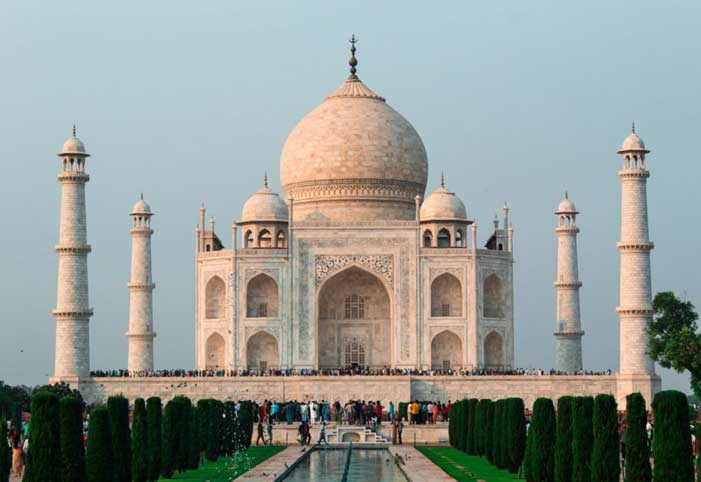
Light defines how the Taj Mahal appears in photographs. The white marble reacts dramatically to subtle changes in sunlight. Early light creates gentle tonal shifts, while later light introduces contrast and texture.
A Taj Mahal photography-focused visit is planned around atmospheric conditions rather than general tourist timing. Clear skies, low haze, and controlled light create images with depth and clarity.
Atmosphere includes more than light. Air quality, humidity, and seasonal visibility influence how sharply the monument appears. Photographers who understand these variables plan their visit accordingly.
When light and atmosphere align, the Taj Mahal appears almost luminous, giving photographs an emotional dimension that cannot be replicated through editing alone.
Taj Mahal Photography Tour
Capture unforgettable moments at the Taj Mahal with our guided photography tour. Contact us now for details, tips, and personalized planning!
Choosing the Right Time Window for Photography
Photography success depends heavily on when you enter the complex. Crowds, movement, and light all change rapidly throughout the day. A private Taj Mahal photography tour allows photographers to align entry with optimal windows.
Early hours offer calmer surroundings. Fewer visitors allow cleaner compositions and uninterrupted symmetry shots. This quiet also enhances concentration and creative flow.
Later periods offer warmer tones but introduce crowd challenges. Photographers must balance light quality with human movement. Without planning, opportunities disappear quickly.
The right window is not universal—it depends on photographic intent. Architectural symmetry, emotional atmosphere, or contextual storytelling all require different timing strategies.
Movement, Patience, and Composition Inside the Complex
The Taj Mahal complex is designed symmetrically, but photography within it is rarely static. Movement of people, light changes, and security flow require adaptability.
A photography tour at the Taj Mahal emphasizes patience over speed. Waiting for a moment when pathways clear or reflections align often produces extraordinary results.
Composition improves when photographers step back mentally. Instead of shooting constantly, observing patterns helps identify moments when geometry and light align naturally.
Those who rush through the complex often miss subtle compositions that reveal the monument’s elegance.
Why Private Transport Matters for Photography Tours
Photography demands control. A private car photography tour to the Taj Mahal provides control over departure times, rest periods, and return flexibility.
Photographers often need early departures or extended stays. Group tours rarely accommodate this. Private transport ensures that creative needs are respected rather than restricted.
Equipment safety is another factor. Cameras, lenses, and accessories remain secure inside a private vehicle. This peace of mind allows photographers to focus fully on shooting.
Comfort between sessions preserves energy, especially during long photography days.
Emotional Storytelling Through Taj Mahal Photography
Beyond architectural shots, the Taj Mahal offers emotional storytelling opportunities. Couples walking silently, solitary figures against vast symmetry, reflections disturbed by breeze—these moments tell stories.
A Taj Mahal photography tour encourages photographers to observe human interaction with the monument rather than isolating architecture alone.
These images often feel timeless. They capture emotion rather than scale, making them more powerful than postcard-style shots.
Photography becomes an act of observation rather than documentation, elevating the final images.
Managing Crowds Without Losing Creative Focus
Crowds are unavoidable, but they can be managed creatively. A photography-oriented approach focuses on framing, timing, and perspective rather than frustration.
Angles, depth, and partial framing help isolate the monument even during busy hours. Skilled photographers adapt rather than resist conditions.
A private photography visit to the Taj Mahal helps reduce exposure to peak congestion, but mental adaptability remains essential.
Calm observation often leads to unexpected compositions even in crowded environments.
Respecting Rules While Photographing Creatively
Photography rules exist to protect the monument. Respecting these rules is essential for uninterrupted shooting.
Understanding restricted zones, movement guidelines, and security expectations prevents unnecessary intervention. This awareness preserves creative flow.
Photographers who remain respectful often find staff cooperation smoother, reducing stress during the visit.
Creative work thrives in calm, compliant environments rather than confrontational ones.
Physical Endurance and Mental Presence
Photography requires physical stamina. Walking, standing, waiting, and focusing for extended periods can be demanding.
A Taj Mahal photography tour with private support helps manage energy through pacing and rest opportunities.
Mental presence matters as much as physical endurance. Fatigue dulls perception. Proper planning preserves creative sharpness.
Photographers who manage energy well often notice details others overlook.
Tailoring the Experience for Different Photography Styles
Every photographer has a different vision. Some focus on symmetry, others on atmosphere, others on human interaction.
A customized Taj Mahal photography tour adapts to these styles. Time allocation, movement flow, and positioning can be adjusted accordingly.
Private planning respects creative individuality rather than forcing standardized routes.
This customization often separates ordinary images from exceptional ones.
The Role of Silence and Stillness in Photography
Silence is a powerful photographic tool. Moments of quiet allow photographers to sense changes in light, shadow, and movement.
The Taj Mahal rewards stillness. When photographers pause rather than rush, compositions reveal themselves naturally.
A calm environment enhances creative sensitivity. This is why controlled timing and private planning matter.
Photographs taken in silence often carry emotional weight beyond visual clarity.
Taj Mahal Photography Tour
Capture unforgettable moments at the Taj Mahal with our guided photography tour. Contact us now for details, tips, and personalized planning!
Creating Images That Feel Timeless
Timeless photographs transcend trends. They rely on balance, emotion, and authenticity rather than dramatic effects.
The Taj Mahal offers timelessness naturally, but only when approached thoughtfully.
A Taj Mahal photography tour focuses on capturing this timeless quality rather than chasing dramatic angles.
These images age well, retaining emotional power long after the journey ends.
Planning Ahead for a Serious Photography Visit
Serious photography requires preparation. Entry timing, transport, rest, and creative intent must align.
Professional planning ensures that photographers arrive calm, focused, and ready to shoot.
Advance coordination removes uncertainty, allowing full creative immersion.
Prepared photographers often leave with fewer images—but far stronger ones.
Photography as a Personal Encounter with the Taj Mahal
At its best, photography becomes a personal dialogue with the monument. The Taj Mahal responds differently to each observer.
A thoughtful Taj Mahal photography tour allows this dialogue to unfold naturally.
When images reflect personal experience rather than tourist perspective, they gain authenticity.
This personal encounter often becomes the most meaningful aspect of the visit.