Taj Mahal Tour for First-Time Visitors to India
Essential Taj Mahal Travel Tips for First-Time Visitors
For many international travelers, the Taj Mahal is the primary reason for visiting India. As a first-time visitor, the experience can feel both exciting and overwhelming. The monument’s global reputation brings expectations, but the surrounding environment—crowds, security procedures, travel logistics, and local conditions—can feel unfamiliar. A well-planned Taj Mahal tour ensures that the first impression matches the monument’s timeless beauty.
First-time visitors often arrive with limited understanding of distances, entry systems, and on-ground movement. Knowing what to expect before arriving makes the visit calm, comfortable, and enjoyable rather than rushed or confusing.
Understanding What the Taj Mahal Represents
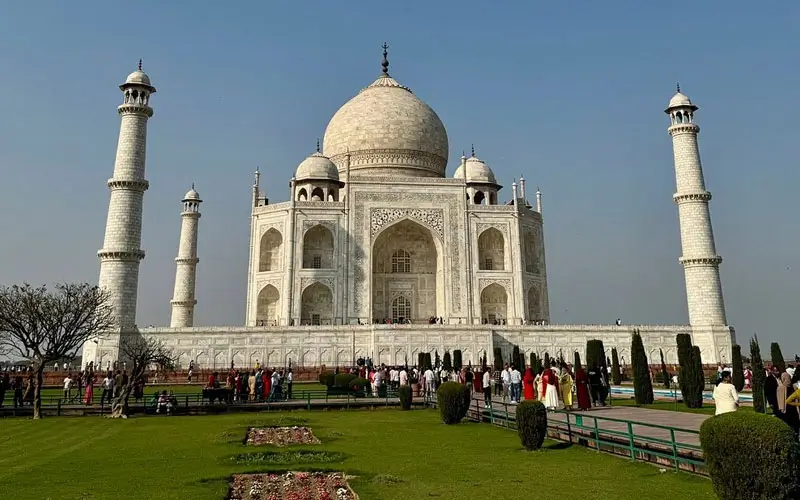
The Taj Mahal is not simply a sightseeing stop. It is a protected heritage complex with strict entry regulations, designated movement paths, and controlled access points. For first-time visitors, understanding this structure helps manage expectations and plan time effectively.
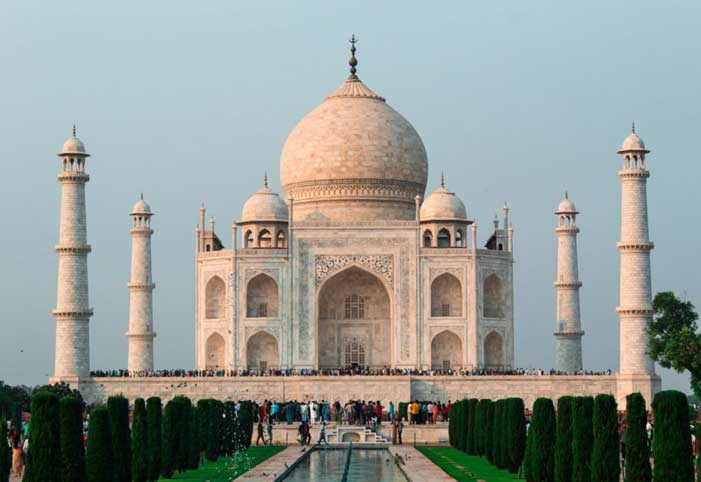
The experience involves walking through landscaped gardens, passing security checkpoints, entering the marble mausoleum, and spending time around reflective pools. Each element contributes to the overall atmosphere.
Arrival in Agra for First-Time Visitors
Most first-time visitors reach Agra from Delhi. The journey typically involves several hours of road travel. Choosing private car and driver travel from Delhi to Agra allows visitors to arrive rested rather than fatigued.
A professional driver ensures timely arrival, assists with hotel access, and helps coordinate entry timing. This is especially useful for travelers unfamiliar with Indian road travel.
Plan Your First-Ever Taj Mahal Tour!
Make your first visit to the iconic Taj Mahal memorable. Contact us for expert travel help, booking support and best travel tips!
Entry Process and Security Awareness
Security procedures at the Taj Mahal are detailed and systematic. First-time visitors should expect checks similar to major international monuments. Certain items are restricted, and movement inside the complex follows defined routes.
Understanding this process reduces anxiety and allows visitors to move through checkpoints smoothly without delays.
Choosing the Right Time for a First Visit
Timing significantly affects the experience. Early visits offer quieter surroundings and cooler conditions, which are ideal for first-time travelers adjusting to local climate and crowds.
Arriving at the right time also allows visitors to explore without feeling rushed, especially when navigating an unfamiliar environment.
Navigating the Complex Comfortably
The Taj Mahal complex covers a large area. First-time visitors should be prepared for walking across gardens, pathways, and marble platforms.
Comfortable pacing makes a difference. Taking breaks, pausing for observation, and moving slowly enhances appreciation and reduces fatigue.
Cultural Awareness for First-Time Visitors
India’s cultural environment may feel different for international travelers. Modest behavior, respectful movement, and awareness of local customs contribute to a smoother experience.
First-time visitors benefit from observing local etiquette, especially in heritage and culturally significant sites.
Photography Considerations for Beginners
Photography rules exist within the Taj Mahal complex. Certain areas allow photography, while others restrict it.
First-time visitors interested in photography should understand where cameras are permitted and plan shots accordingly without disrupting movement or rules.
Managing Crowds Without Stress
Crowds are part of the Taj Mahal experience, but they can be managed. First-time visitors often feel overwhelmed if unprepared.
Staying calm, following signage, and moving with the flow allows visitors to enjoy the monument despite crowd presence.
The Role of Private Transport for First-Time Visitors
Using private transport with an English-speaking driver significantly improves the experience. Drivers coordinate timing, manage traffic delays, and assist with logistics outside the complex.
This support reduces uncertainty, allowing first-time visitors to focus entirely on the visit itself.
Understanding Local Facilities Around the Taj Mahal
Facilities such as rest areas, shoe covers, and entry guidance are available near the complex. Knowing what to expect avoids confusion.
First-time visitors benefit from having a clear understanding of available amenities and how to use them.
Avoiding Common Mistakes
Many first-time visitors make avoidable mistakes such as arriving during peak congestion hours, underestimating walking distances, or not planning return transport.
Awareness and preparation prevent these issues and improve overall satisfaction.
Emotional Impact of the First Visit
For first-time visitors, seeing the Taj Mahal in person often carries emotional significance. Quiet moments, symmetry, and light reflections create lasting impressions.
Allowing time for these moments rather than rushing enhances emotional connection.
Travel Pace and Energy Management
First-time visitors may underestimate the physical effort involved. Managing energy through proper pacing ensures the visit remains enjoyable.
Resting between sections and staying hydrated helps maintain comfort.
Combining the Taj Mahal with Agra Sightseeing
Many first-time visitors combine the Taj Mahal with nearby attractions. Planning this carefully prevents overload.
Private transport allows flexible scheduling and smooth transitions between locations.
Respecting the Monument’s Environment
The Taj Mahal is a protected heritage site. Respectful behavior ensures preservation and a pleasant atmosphere for all visitors.
First-time travelers benefit from understanding these responsibilities.
Plan Your First-Ever Taj Mahal Tour!
Make your first visit to the iconic Taj Mahal memorable. Contact us for expert travel help, booking support and best travel tips!
Preparing Mentally for the Experience
Preparation is not just logistical but mental. Knowing that crowds, security, and movement are part of the process helps maintain calm.
This mindset allows visitors to appreciate the monument without frustration.
Making the First Visit Meaningful
A first visit sets the tone for how travelers remember the Taj Mahal. Calm planning, appropriate timing, and clear expectations lead to a fulfilling experience.
For many international travelers, this visit becomes a defining memory of India.