Teej Festival Jaipur - Culture, Celebration & Travel Guide
Teej Festival in Jaipur: Best Places to Experience the Celebrations
Imagine arriving in Jaipur at a time when the city feels like it has stepped back into its royal past. The streets of the old city become alive with colour, music, and traditional processions that look like a moving painting. Women dressed in bright green attire, jewellery shining under soft daylight, folk musicians creating a rhythmic atmosphere, and decorated elephants and camels slowly walking through historic gates—this is the experience of the Teej Festival Jaipur. For foreign tourists, this is not just another festival; it is one of the most elegant and culturally rich celebrations in Rajasthan.
The Teej festival in Jaipur is deeply rooted in tradition and celebrates the monsoon season, symbolising renewal, love, and devotion. It is associated with Goddess Parvati and her reunion with Lord Shiva, which represents marital harmony and devotion. While the religious aspect is important for locals, what makes this festival particularly attractive for international visitors is its visual and cultural richness. Unlike festivals that are loud or chaotic, Teej offers a refined and structured experience that allows tourists to observe and appreciate Indian culture without feeling overwhelmed.
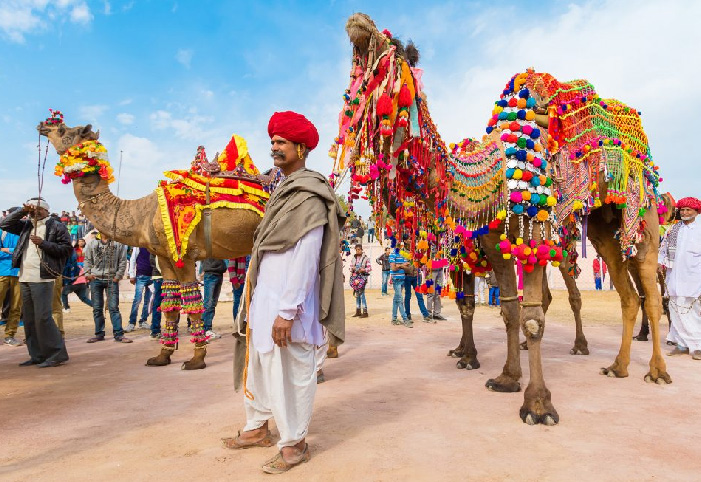
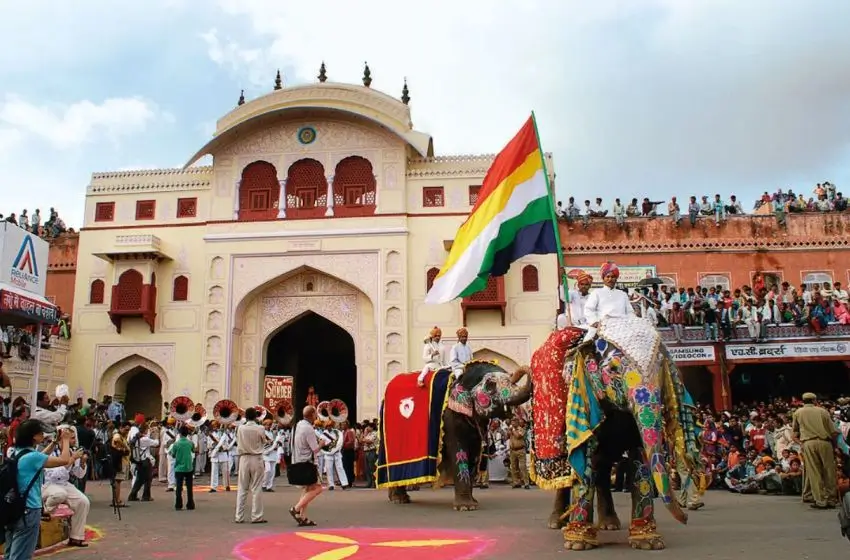
One of the most defining features of the festival is the royal procession that moves through Jaipur’s old city. This procession is carefully organised and reflects the city’s royal heritage. It includes a beautifully decorated idol of Goddess Teej carried in a palanquin, accompanied by traditional dancers, musicians, and animals adorned with colourful fabrics and ornaments. The entire procession feels like a celebration of history, giving visitors a glimpse into Rajasthan’s royal traditions.
For travelers, the Teej Festival Jaipur travel experience is unique because it combines culture, history, and visual beauty in one place. It is not just about watching an event; it is about feeling connected to a tradition that has been preserved for generations. The atmosphere is welcoming, and tourists often find it easier to engage with locals compared to more intense festivals.
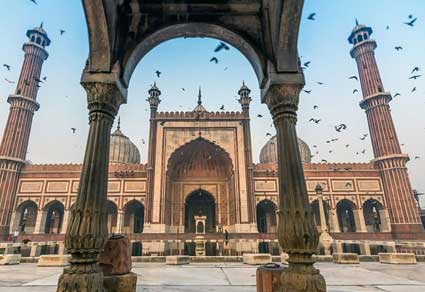
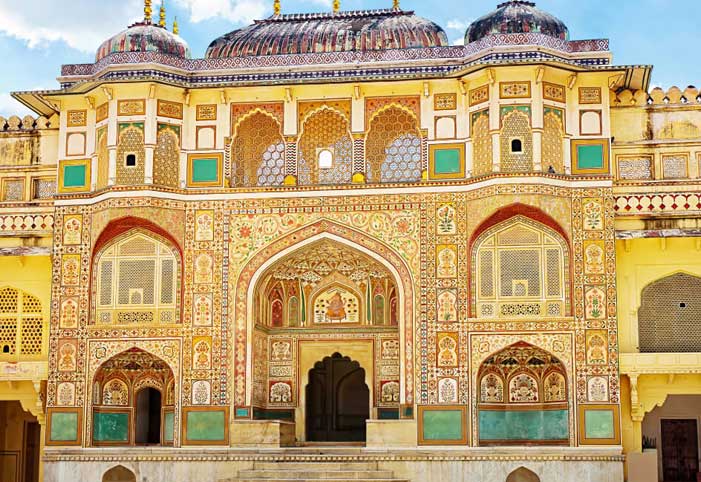
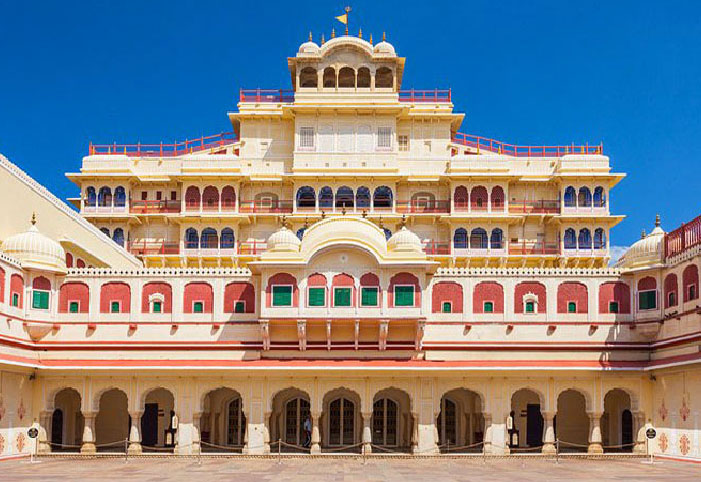
Another important aspect is the setting. Jaipur itself is a city known for its architecture, palaces, and heritage, and during Teej, these elements become part of the celebration. The combination of historic surroundings and cultural activities creates a complete travel experience.
Using a private car with driver in India during this festival allows tourists to move comfortably between locations, especially since certain areas become crowded during the procession. It also ensures that visitors can explore the city at their own pace.
For foreign tourists, Teej is not just a festival—it is an elegant cultural experience that reflects the beauty and traditions of Rajasthan in a way that is both accessible and memorable.
Witness Jaipur's Most Colorful Royal Celebration
Step into the heart of Rajasthan's cultural heritage during the vibrant Teej Festival in Jaipur. Watch grand processions, beautifully decorated elephants and camels.
When is Teej Festival Celebrated and Best Time to Visit Jaipur
Understanding the timing of the Teej Festival Jaipur Rajasthan is essential for planning a successful trip. The festival is celebrated during the monsoon season, typically in July or August, based on the Hindu lunar calendar. This timing is significant because it marks the arrival of rain after the intense summer heat, bringing a sense of freshness and renewal to the region.
For travelers, this period offers a different perspective of Jaipur. The weather becomes relatively cooler compared to the scorching summer months, and occasional rainfall adds a refreshing atmosphere to the city. However, the monsoon season also requires some preparation, as rain can affect outdoor activities and travel plans. Carrying appropriate clothing and planning your schedule carefully ensures a comfortable experience.
The festival itself usually lasts for a few days, but the main highlight is the day of the grand procession. This is when the city’s old streets come alive with celebrations, and it is the best time for tourists to witness the festival in its full form. Arriving in Jaipur at least one or two days before the main event allows you to settle in, explore the city, and prepare for the celebrations.
The procession typically takes place during the afternoon or early evening, when the lighting conditions enhance the visual appeal of the event. Streets are decorated, and crowds gather to watch the procession, creating a lively yet organised environment. For foreign tourists, this timing is ideal because it allows them to experience the festival without dealing with extreme heat.
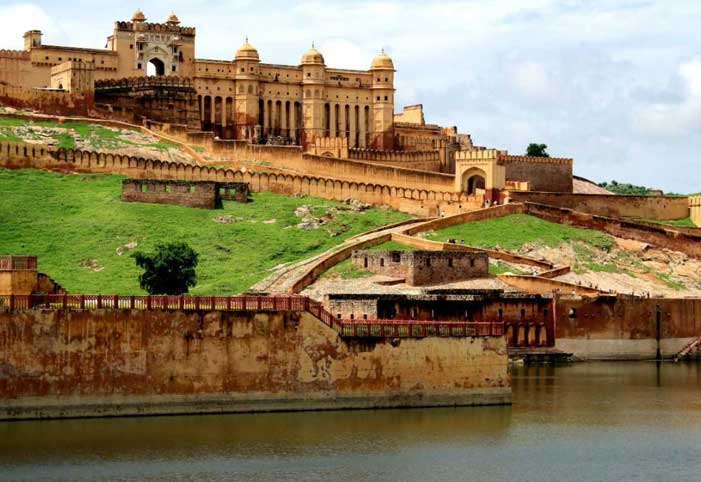
Planning your itinerary around the Teej Festival Jaipur travel dates ensures that you can make the most of your visit. It also allows you to combine the festival with sightseeing in Jaipur, including visits to Amber Fort, City Palace, and local markets.
Using a private driver in India for Jaipur travel is particularly helpful during this time, as it allows you to manage your schedule efficiently and avoid delays caused by traffic or road closures. It also provides flexibility in exploring different parts of the city before and after the festival.
Choosing the right time to visit Jaipur for Teej ensures that your experience is not only enjoyable but also well-organised, allowing you to fully appreciate the cultural significance of the festival.
Teej Festival Celebration in Jaipur – Procession, Rituals and Atmosphere
The Teej Festival celebration in Jaipur is a carefully organised event that combines tradition, culture, and visual spectacle. Unlike some festivals that feel spontaneous or chaotic, Teej offers a structured and elegant experience that is particularly appealing to foreign tourists.
The main highlight of the festival is the grand procession, which begins from the old city and moves through historic streets. The procession features a beautifully decorated idol of Goddess Teej placed in a palanquin. This palanquin is carried by attendants dressed in traditional attire, adding to the authenticity of the event. Surrounding the palanquin are musicians playing traditional instruments, dancers performing folk routines, and animals such as elephants and camels adorned with colourful decorations.
The atmosphere during the procession is lively but not overwhelming. People gather along the streets to watch, take photographs, and enjoy the performances. For tourists, this creates an opportunity to observe the festival comfortably while still being part of the celebration.
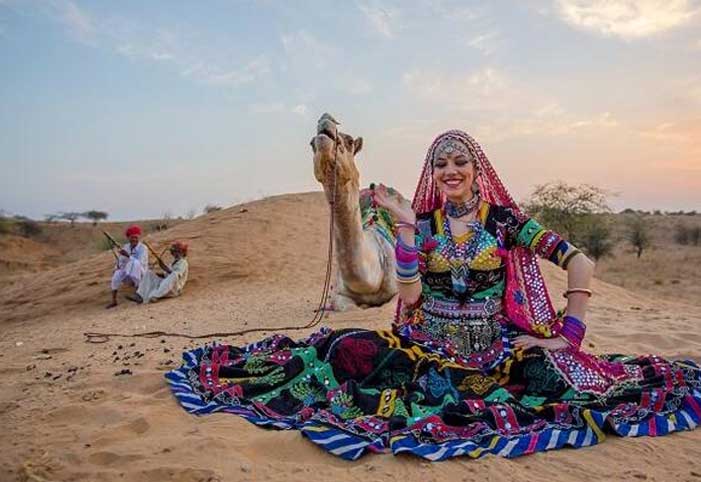
Rituals are an important part of the festival. Women dress in traditional clothing, often in shades of green, symbolising the monsoon season. They participate in prayers and cultural activities, adding a spiritual dimension to the celebration. While tourists may not directly participate in these rituals, observing them provides insight into local traditions.
Markets and streets also play a significant role during the festival. Shops are decorated, and local vendors sell traditional items, creating a festive environment throughout the city. Exploring these areas allows tourists to experience the festival beyond the main procession.
Using a private car with driver in India ensures that you can move between different locations comfortably, especially if you want to explore multiple viewpoints of the procession or visit nearby attractions.
The Teej Festival Jaipur experience is not just about watching a single event; it is about immersing yourself in a cultural atmosphere that reflects the heritage and traditions of Rajasthan.
See Jaipur Come Alive During the Teej Festival
For a few magical days each year, Jaipur transforms into a spectacle of color, tradition, and celebration.
Travel Tips, Best Viewing Spots and Cost Planning for Teej Festival
Planning your Teej Festival Jaipur trip properly ensures that you enjoy the experience without unnecessary stress. Since the festival attracts both locals and tourists, preparation is key to making the most of your visit.
Choosing the right viewing spot is important. The old city area, particularly around Tripolia Gate, is one of the best places to watch the procession. Arriving early helps secure a good position and allows you to enjoy the event without being pushed by crowds.
Accommodation should be booked in advance, as demand increases during the festival. Jaipur offers a wide range of options, from budget hotels to luxury heritage properties. Mid-range hotels typically cost between $50 and $120 per night, while luxury options can go higher.
Transport is another important factor. Using a private driver in India for festival travel ensures that you can navigate the city comfortably and reach key locations without delays. Daily costs for such services usually range between $40 and $70.
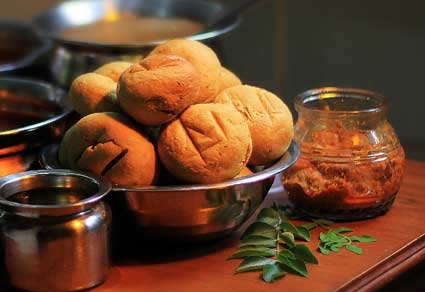
Food expenses are reasonable, with daily costs ranging from $10 to $30 depending on your preferences. Exploring local cuisine during the festival adds to the experience.
Comfort is important due to long hours of standing and walking. Wearing comfortable shoes and carrying essentials like water and light snacks helps maintain energy levels.
Safety is generally not a major concern, but staying aware of your surroundings and keeping valuables secure is always advisable.
Planning your itinerary carefully ensures that you can combine the festival with sightseeing, creating a complete travel experience.