Temple Trails of South India: A 10-Day Itinerary Covering Hoysala & Vijayanagara Architecture
Must-Visit Temple Trails Across South India
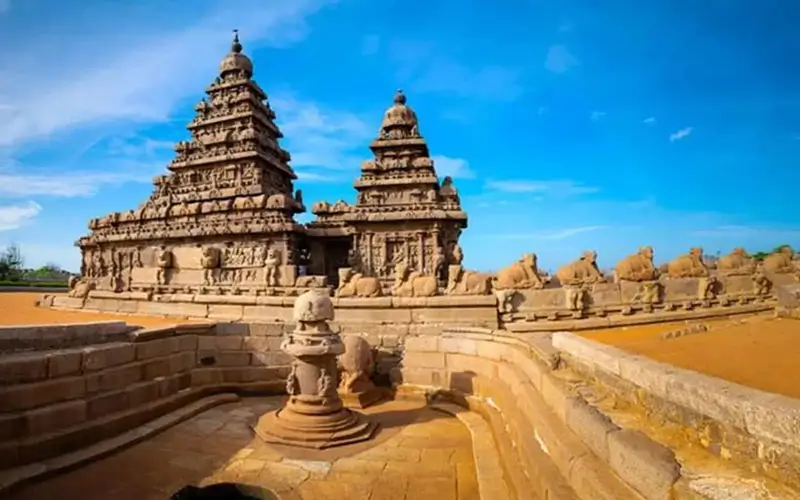
South India holds one of the richest temple architecture traditions in the world. Across the region, temples built centuries ago still stand with extraordinary detail carved into stone. These monuments were not simply places of worship. They were centers of art, culture, music and learning that shaped the development of entire kingdoms.
The architectural styles created by the Hoysala dynasty temples and the Vijayanagara empire architecture represent two of the most remarkable periods in South Indian history. The Hoysalas were known for their incredibly intricate stone carvings, while the Vijayanagara rulers built massive temple complexes and royal cities that reflected the power of their empire.
Travelers interested in history, architecture and culture often plan journeys specifically to explore these temples. The best way to experience them is through a carefully designed South India temple road trip that connects multiple historic locations.
Because many of these temples are located in different towns across Karnataka, traveling with a private car and driver in South India allows visitors to move comfortably between destinations while enjoying the scenic countryside along the way.
The Artistic Genius of Hoysala Temple Design
The Hoysala dynasty ruled large parts of Karnataka and left behind some of the most detailed temple sculptures in India. Their temples are famous for star-shaped platforms, elaborate carvings and finely polished stone surfaces that appear almost like jewelry carved from rock.
One of the most remarkable features of Hoysala architecture is the extraordinary level of detail found in the sculptures. Every surface of the temple walls contains carvings depicting mythology, dance, animals and royal life.
The temples were constructed using soapstone, a material that allowed sculptors to create extremely delicate patterns. Over centuries these carvings have remained remarkably well preserved, allowing visitors to observe artistic techniques that seem almost impossible to achieve with stone.
Exploring these temples reveals the devotion and skill of craftsmen who spent years working on a single structure.
A Karnataka temple heritage road trip allows travelers to visit multiple Hoysala temples while experiencing the cultural landscape that shaped their creation.
Begin Your Spiritual Temple Journey
Explore the sacred temples of South India and experience peaceful surroundings, rich traditions, and timeless architecture. Travel with a private driver and enjoy a comfortable and well-planned spiritual journey.
Belur: The Beginning of the Hoysala Trail
Belur stands as one of the most important centers of Hoysala architecture. The Chennakeshava Temple in Belur was built during the twelfth century and remains one of the finest examples of sculptural artistry in India.
The temple’s exterior walls are covered with hundreds of detailed carvings depicting scenes from epics such as the Ramayana and Mahabharata. Rows of sculpted dancers and musicians create a sense of movement across the temple walls.
Inside the temple, beautifully carved pillars support the ceiling while intricate sculptures decorate every corner of the hall. Visitors often spend hours observing the extraordinary craftsmanship.
The temple complex continues to function as an active place of worship, creating a living connection between ancient architecture and modern spiritual life.
Travelers exploring Belur temple architecture often begin their temple trail journey from this historic town.
Halebidu: The Sculptural Masterpiece
A short drive from Belur lies Halebidu, another important Hoysala capital known for the Hoysaleswara Temple. The temple is dedicated to Lord Shiva and represents one of the most impressive achievements of Hoysala craftsmanship.
Unlike many temples that emphasize height, Hoysala temples focus on horizontal detail. The outer walls of the Hoysaleswara Temple are covered with endless bands of carvings that depict elephants, lions, dancers, warriors and mythological stories.
Each sculpture is unique, demonstrating the creativity of the artisans who worked on the temple centuries ago. Even small details such as jewelry, clothing folds and facial expressions are carved with astonishing precision.
Visitors interested in Halebidu temple sculpture photography often find the site particularly rewarding because of the rich textures and patterns carved into the stone surfaces.
Traveling between Belur and Halebidu during a private driver temple tour in Karnataka allows visitors to fully appreciate the artistic brilliance of the Hoysala dynasty.
Shravanabelagola: Sacred Hills and Jain Heritage
South India’s temple trail also includes important Jain pilgrimage sites. Shravanabelagola is one of the most sacred Jain destinations in the country and is famous for its towering statue of Lord Bahubali.
The statue stands nearly eighteen meters tall and is carved from a single block of granite. Located at the top of a hill, the monument overlooks the surrounding countryside and attracts pilgrims from across India.
Climbing the stone steps to reach the statue offers panoramic views of the landscape. The experience combines spiritual significance with scenic beauty.
For travelers exploring Jain pilgrimage architecture in Karnataka, Shravanabelagola offers a unique addition to the temple trail.
A South India spiritual road trip by car allows visitors to include both Hindu and Jain heritage sites within a single journey.
Hampi: The Magnificent Vijayanagara Capital
No temple trail across South India would be complete without visiting Hampi. Once the capital of the powerful Vijayanagara Empire, Hampi was among the largest cities in the world during its peak.
Today the landscape is filled with temple ruins, royal pavilions, stone markets and massive gateways that reveal the grandeur of the empire. The Virupaksha Temple remains an active place of worship and stands as one of the oldest functioning temples in the region.
Nearby, the Vittala Temple complex contains the famous stone chariot and musical pillars. These pillars produce musical tones when tapped gently, reflecting the advanced engineering and artistic imagination of Vijayanagara craftsmen.
Exploring Hampi temple ruins and architecture reveals how the Vijayanagara Empire built monumental structures that blended artistic beauty with urban planning.
Travelers often spend several days exploring the site because of its enormous size and historical importance.
Uncover Hidden Stories of Ancient Kingdoms
Travel off the beaten path and explore forgotten forts, historic towns, and timeless landscapes. Book a private driver and enjoy a unique journey through India’s rich and lesser-known heritage.
The Landscapes of Karnataka’s Temple Regions
Beyond the temples themselves, the landscapes surrounding these historic sites contribute to the beauty of the journey. Rolling hills, coconut plantations and quiet villages create scenic drives between destinations.
Road journeys through Karnataka reveal agricultural communities where traditional lifestyles continue alongside modern development. Travelers often pass through fields, small towns and roadside temples that reflect everyday spiritual life.
A Karnataka temple road journey allows visitors to experience these landscapes slowly while connecting major historical destinations across the region.
Traveling with a private driver temple itinerary in South India ensures comfortable travel between cities while allowing flexibility for scenic stops.
Planning a Temple Road Trip in South India
A typical South India temple road trip itinerary begins in Bengaluru before traveling toward the historic temple towns of Belur and Halebidu. From there the journey continues toward Shravanabelagola and eventually reaches Hampi.
This route connects some of the most important architectural sites of southern India while offering opportunities to experience local culture and cuisine along the way.
Working with experienced travel providers such as India Trip Driver helps visitors plan comfortable journeys between these destinations. Professional drivers ensure safe travel while allowing travelers to focus on exploring historic temples and cultural landmarks.
A well-planned private car temple tour in Karnataka transforms a simple sightseeing trip into a deep exploration of South India’s architectural heritage.