Textile Trail Rajasthan – Sanganer, Bagru, Barmer & Jaisalmer: A 7-Day Fabric Lover's Road Trip with Private Driver
The Ultimate Rajasthan Textile Trail for Fabric and Handloom Enthusiasts
Rajasthan’s architectural grandeur often dominates travel narratives, yet its textile heritage represents an equally profound cultural legacy. From intricate hand block printing to desert embroidery traditions, the state has nurtured fabric artistry for centuries. A thoughtfully designed Textile Trail Rajasthan invites travelers to journey through Sanganer, Bagru, Barmer, and Jaisalmer, uncovering craftsmanship that continues to shape global fashion and interior design.
Unlike conventional sightseeing tours, this 7-day fabric-focused road trip immerses travelers in workshops, dyeing yards, artisan homes, and rural printing clusters. Traveling with a Private Driver in Rajasthan ensures smooth movement between villages and towns while maintaining flexibility for spontaneous stops at craft cooperatives and local markets.
The route introduces varied textile traditions shaped by geography, climate, and trade history. Sanganer and Bagru near Jaipur showcase block printing heritage, while Barmer is renowned for vibrant appliqué and embroidery styles. Jaisalmer adds desert influences and cross-border textile techniques shaped by historic caravan routes.
This itinerary appeals to designers, collectors, photographers, and cultural travelers seeking deeper engagement beyond palace walls. It transforms Rajasthan from a visual spectacle into a tactile and artistic exploration.
Sanganer – The Heart of Fine Block Printing
Located near Jaipur, Sanganer stands as one of Rajasthan’s most important textile hubs. The town is globally recognized for its delicate hand block printing on cotton and silk fabrics. Exploring Sanganer block printing workshops reveals the precision and patience required to create layered patterns using carved wooden blocks.
Artisans dip hand-carved blocks into natural dyes before pressing them onto stretched fabric with rhythmic consistency. Each layer requires alignment accuracy to maintain pattern continuity. Designs often include floral motifs inspired by Mughal aesthetics, reflecting centuries-old artistic exchange.
Unlike factory production lines, Sanganer workshops retain a handcrafted identity. Visitors can observe dye preparation using natural ingredients such as indigo, turmeric, and pomegranate rind. Many workshops allow hands-on participation, enabling travelers to print small swatches under guidance.
The region’s soft water quality historically contributed to color vibrancy, giving Sanganer prints their distinctive appeal. Finished textiles often appear in global boutiques under various brand labels.
Including Sanganer in a Rajasthan textile road trip provides foundational understanding of traditional printing techniques that influenced modern fabric design worldwide.
Explore Rajasthan’s Textile and Craft Heritage
Discover vibrant fabrics, traditional block printing, and local artisan workshops across Rajasthan. Travel comfortably with a private driver and experience the region’s rich textile culture up close.
Bagru – Natural Dyes and Earthy Aesthetics
Bagru, situated west of Jaipur, offers a contrasting yet complementary textile narrative. Known for its earthy tones and resist-dye techniques, the town specializes in mud-resist and natural dye block printing. A visit to Bagru textile villages introduces travelers to dye vats, drying yards, and community-based craft systems.
The mud-resist process involves applying clay-based paste to fabric before dyeing, preventing color absorption in specific areas. This technique creates intricate negative patterns once washed and dried. The reliance on vegetable dyes reflects sustainable practices passed down through generations.
Unlike Sanganer’s delicate motifs, Bagru prints often feature bold geometric designs and deep indigo shades. The village atmosphere feels more rural and traditional, offering intimate access to artisan families.
Travelers on a private car textile tour in Rajasthan can explore narrow lanes lined with dyeing yards, where fabrics dry under open skies. Conversations with artisans provide insight into challenges faced by craft communities in contemporary markets.
Bagru’s authenticity reinforces the importance of preserving handmade textile heritage.
Barmer – Desert Embroidery and Vibrant Appliqué
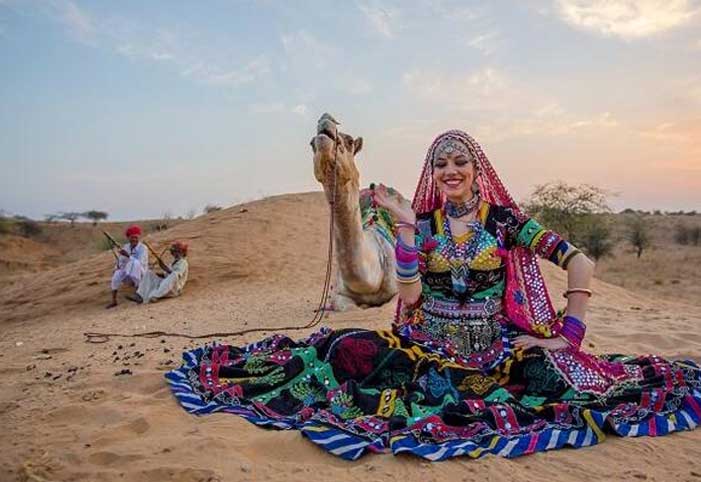
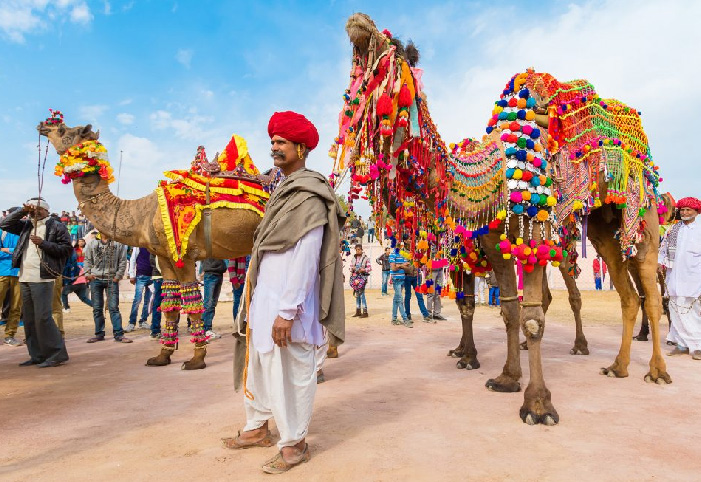
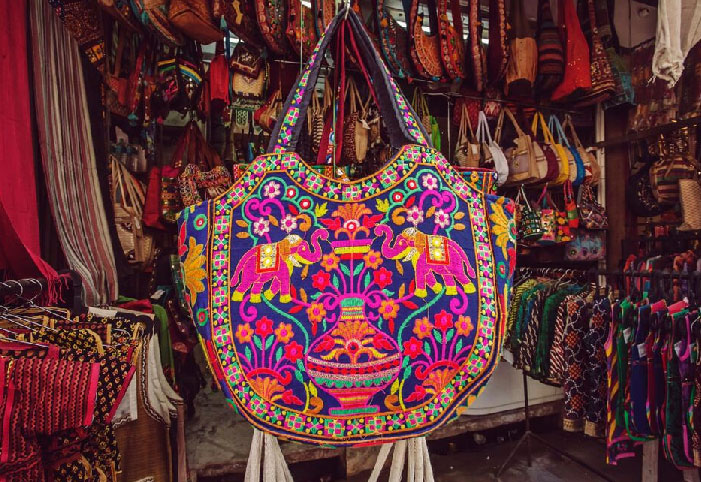
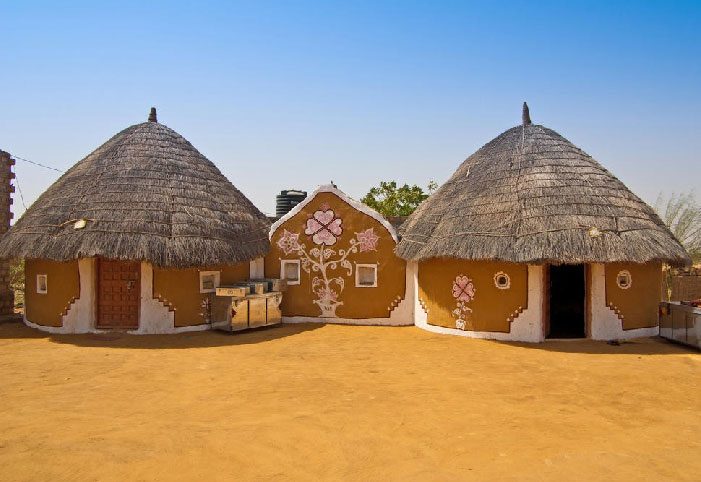
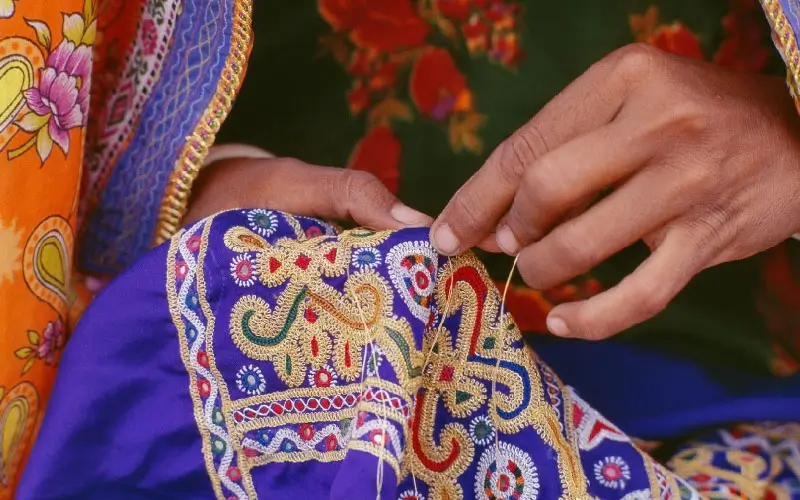
Moving westward toward Barmer introduces travelers to Rajasthan’s desert textile traditions. The region’s arid landscape influenced bold color usage and intricate embroidery techniques. Exploring Barmer embroidery villages reveals handcrafted garments adorned with mirror work, patchwork, and vibrant thread patterns.
Women artisans often lead embroidery production within village households. Their craft represents both cultural identity and economic livelihood. Designs frequently incorporate motifs inspired by desert flora and folklore narratives.
Barmer’s appliqué technique involves stitching contrasting fabric pieces onto base cloth, creating textured compositions. These textiles appear in traditional attire, home décor, and contemporary fashion collections.
Travelers visiting Barmer through a Rajasthan fabric road trip with private driver gain access to artisan clusters beyond mainstream retail markets. Purchasing directly from producers supports sustainable craft economies.
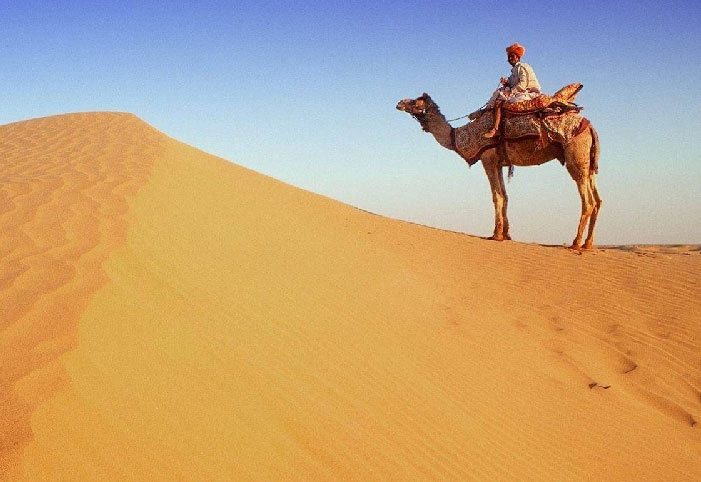
The desert backdrop amplifies appreciation for these colorful textiles, highlighting resilience and creativity in challenging climates.
Jaisalmer – Caravan Trade and Cross-Cultural Textile Influence
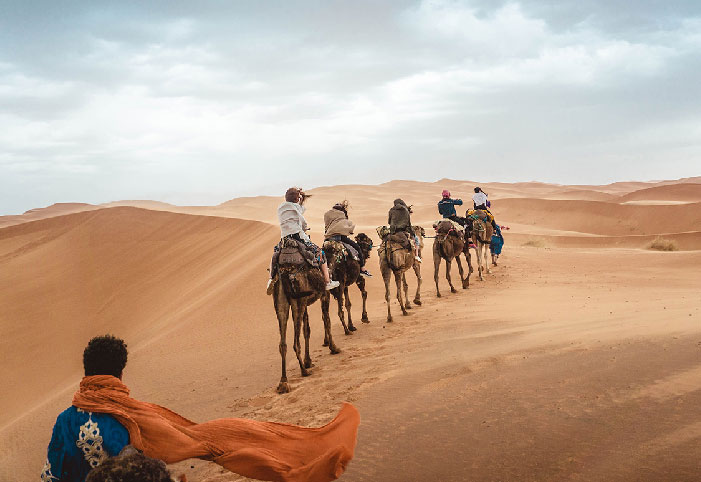
Jaisalmer’s historical position along ancient trade routes shaped its textile identity. Caravan merchants once transported fabrics across borders, blending regional styles with imported influences. Today, exploring Jaisalmer textile markets reveals embroidered shawls, bandhani tie-dye fabrics, and desert-inspired garments.
Tie-dye, known locally as bandhej, involves binding small sections of fabric before dyeing, producing intricate dotted patterns. This technique remains widely practiced across western Rajasthan.
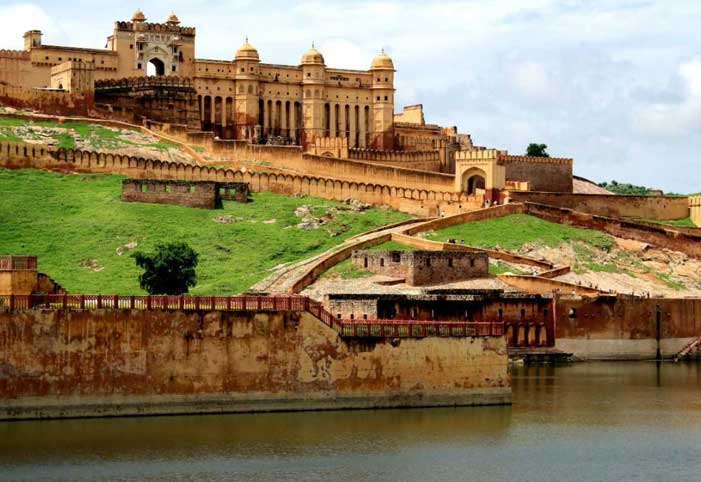
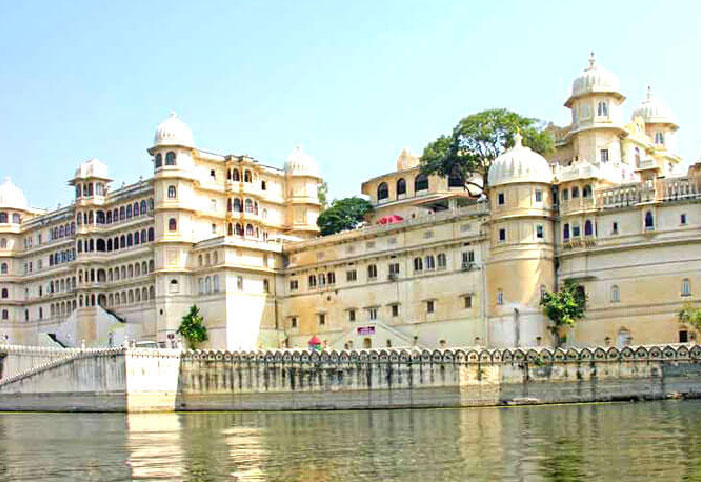
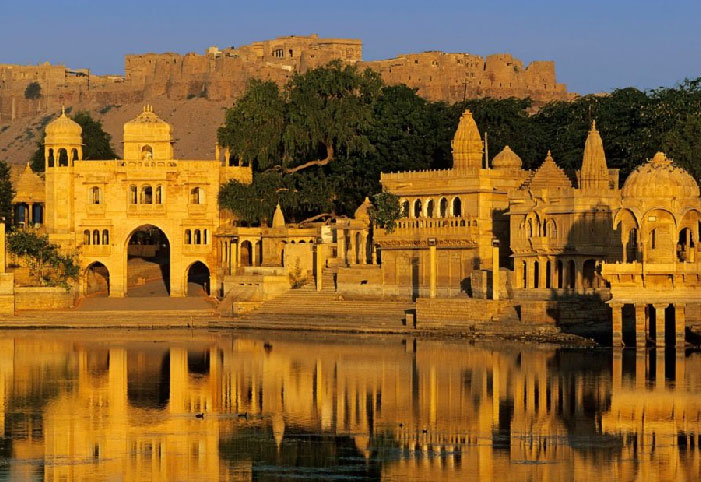
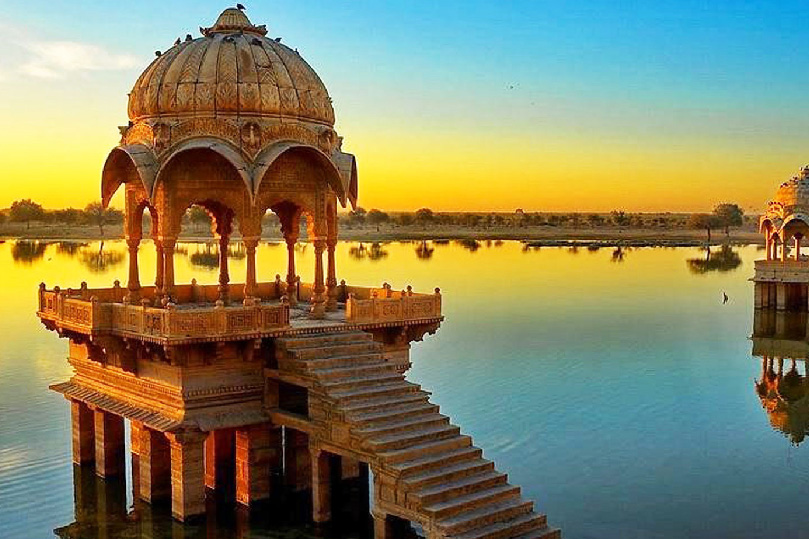
The golden sandstone architecture of Jaisalmer Fort provides a dramatic setting for textile photography. Narrow lanes house small shops selling handcrafted garments, often produced by nearby rural communities.
Travelers following a 7-day Rajasthan textile trail find Jaisalmer an evocative culmination point where history and craftsmanship intersect.
The Advantage of a Private Driver for Textile Exploration
Navigating between artisan villages requires reliable transportation. Hiring a Private Driver for Rajasthan textile tour ensures flexibility and safety. Rural roads and small-town routes can be complex for self-navigation.
Private vehicles allow storage space for textile purchases and comfortable intercity travel. Drivers familiar with craft clusters often recommend lesser-known workshops not listed in guidebooks.
This logistical support transforms the journey into a seamless cultural immersion rather than a stressful navigation exercise.
Discover Rajasthan’s Traditional Textile Journey
Explore colorful markets, handloom traditions, and skilled artisan workshops across Rajasthan. Travel with a private driver and enjoy a comfortable cultural journey through the state’s rich textile heritage.
Designing a 7-Day Textile Itinerary
Initial days focus on Jaipur, Sanganer, and Bagru workshops. Midweek travel transitions toward Barmer’s desert craft communities. Final days in Jaisalmer combine market exploration with heritage sightseeing.
Balanced pacing allows both educational engagement and leisure moments.
Best Time for Textile Road Trips
Winter months offer comfortable temperatures for village exploration. Monsoon enhances landscape color but requires flexible scheduling.
Summer travel is possible with early morning planning and air-conditioned vehicles.
Who Should Consider This Fabric Trail
Fashion designers, textile historians, cultural travelers, photographers, and craft collectors benefit most from this itinerary.
It appeals to those who value handmade authenticity over mass-produced souvenirs.