Ultimate 2026 Guide to India Visa, E-Visa & Travel Insurance for Tourists

India Visa Guide: Everything International Travellers Need to Know
Planning a trip to India in 2026 starts with understanding how to get the right visa, arrange proper travel insurance, and ensure all documents are ready before your flight.
Whether you’re visiting for a few days or several weeks, knowing how to handle paperwork early can make your journey smooth, stress-free, and secure.
This comprehensive guide walks you through the India visa process, explains the updated e-Visa categories, highlights essential insurance coverage, and gives you smart advice from the perspective of seasoned travelers and local experts who assist international guests every day.
Why India Requires a Visa for Almost Every Traveler
India welcomes millions of foreign visitors annually, but most nationalities require a visa before entering. The Government of India has streamlined this process with the e-Visa system, eliminating the need for long embassy queues.
The visa acts as your entry permit — specifying your travel purpose, validity, and stay duration. Over 170 countries can now apply online, making it one of the world’s easiest digital visa programs.
For travelers booking tours with India Trip Driver or other professional operators, completing this process online ensures you can start your trip confidently the moment you land at Delhi, Mumbai, or Kochi airport.
Types of India Tourist Visas for 2026
India offers several categories of tourist visas, each designed for different travel lengths and purposes. Here’s what travelers should know:
Tourist E-Visa (Most Common)
The Tourist e-Visa remains the most popular choice in 2026 for short leisure or cultural visits.
It allows travelers to enter India for sightseeing, holidays, or visiting friends and relatives.
- Validity Options: 30 days (double entry), 1 year (multiple entry), or 5 years (multiple entry).
- Maximum Stay: 90 days per visit for most countries (180 days for U.S., U.K., Japan, and Canada).
- Application Mode: Fully online via the official Indian e-Visa portal.
- Processing Time: Usually 3–5 business days, though it’s wise to apply 10 days in advance.
The digital approval (ETA) is sent via email, which travelers must print and present upon arrival.
Regular Paper Visa (Embassy Visa)
For those planning long educational, work, or research stays, the embassy visa is still required. It involves biometric submission and personal visits to the Indian consulate.
Tourists rarely need this unless planning to remain in India beyond 180 continuous days.
Step-by-Step Process for Applying Online (2026 Update)
The e-Visa process remains simple, but every year the portal sees small updates. Here’s the 2026 version summarized clearly:
Step 1 – Visit the Official Government Website:
Go to https://indianvisaonline.gov.in/evisa/ — never use agents or third-party links.
Step 2 – Fill the Application Form:
Provide personal details, passport information, travel dates, and your entry/exit airports. Accuracy is crucial — small errors can delay approval.
Step 3 – Upload Documents:
- Passport scan (bio page, clear and color).
- Recent passport-size photograph (white background, less than 1 MB).
- Optional: hotel booking or itinerary confirmation.
Step 4 – Pay the Visa Fee:
Fees vary by nationality and duration. Payments are made securely online via credit/debit card.
Step 5 – Receive the Electronic Travel Authorization (ETA):
Within a few days, your e-Visa approval letter arrives by email. Print it and carry a copy for both arrival and hotel check-ins.
Step 6 – Immigration on Arrival:
At designated airports, show your printed ETA and passport. The immigration officer stamps your visa officially into your passport.
That’s it — you’re ready to begin your India private car tour right away.
Common Reasons for Visa Rejection (and How to Avoid Them)
- Uploading unclear or low-resolution documents.
- Using mismatched names between passport and form.
- Applying too early (more than 120 days before travel) or too late.
- Selecting the wrong category (e.g., business instead of tourist).
- Typographical errors in passport number or nationality.
Always double-check every detail before final submission. Avoid agents promising “express approvals” — only official processing ensures security and authenticity.
Visa Fees Overview (Indicative 2026 Rates)
The cost of an India e-Visa ranges from $25 – $80, depending on nationality and duration.
Short 30-day visas are cheapest, while multi-year multiple-entry visas cost more but provide flexibility for repeat visits.
Remember to include small currency conversion fees charged by your card provider.
All fees are non-refundable once payment is completed.
Entry Points and Valid Airports
India’s e-Visa is accepted at 29 airports and 5 seaports, including:
Delhi, Mumbai, Chennai, Bengaluru, Kochi, Goa, Jaipur, Hyderabad, Kolkata, Ahmedabad, and more.
Exit can occur through any authorized Immigration Check Post (ICP) across the country.
This flexibility allows travelers to start in North India and end in South India — for example, landing in Delhi and flying out from Kochi after a private driver tour through Rajasthan and Kerala.
Travel Insurance — The Essential Companion to Your Visa
Once your visa is approved, the next vital step is arranging travel insurance.
Many travelers underestimate this, but good insurance can protect you from huge costs if something goes wrong.
Even though India is affordable for tourists, unexpected medical or travel disruptions can be costly. The small daily premium is worth every dollar.
What a Good India Travel Insurance Policy Should Include
A strong policy should cover all potential travel risks — from delayed flights to medical emergencies. Look for these essentials:
Medical Coverage: Minimum of $50,000–$100,000 recommended.
Trip Cancellation or Interruption: For refunding prepaid hotels or driver bookings.
Lost Baggage or Passport: Replacement and emergency assistance.
24-Hour Helpline: Global support in English.
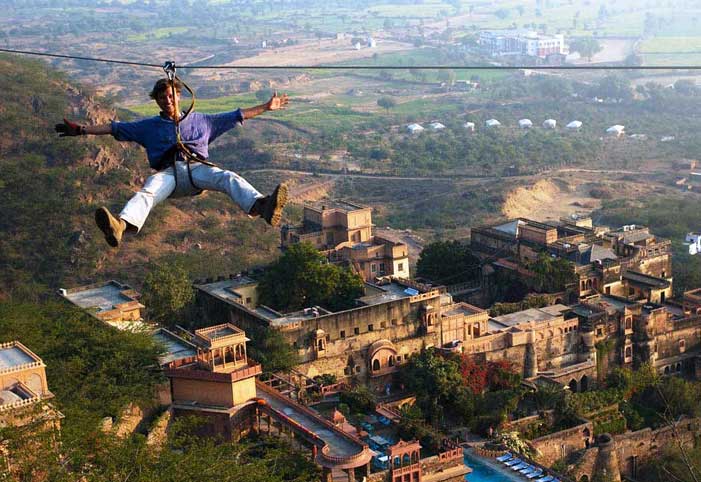
Adventure Activity Coverage: If your itinerary includes safaris, treks, or camel rides.
Companies like Allianz, World Nomads, and AXA provide tailored India policies.
Before purchasing, check that “India” is listed in the coverage region and confirm hospital partnerships in major cities.
Why Insurance Is Crucial Even on Budget Tours
Travelers on affordable itineraries often assume they can skip insurance — a risky mistake.
Hospitals in Delhi, Jaipur, or Udaipur provide excellent care but require immediate payment for foreign patients.
A single hospital visit can cost more than your entire week’s tour.
Similarly, lost luggage, cancelled flights, or trip interruptions can easily disrupt plans. Insurance turns these obstacles into manageable inconveniences.
Documents You Must Carry While Traveling in India
Once you arrive, keep both digital and printed copies of the following:
- Passport (with entry stamp)
- Printed e-Visa approval
- Travel insurance policy summary
- Hotel confirmations or driver’s booking voucher
- Emergency contact list (embassy, travel agency, and insurance hotline)
Keeping photocopies separate from originals helps if you misplace anything.
Your private driver can also store digital copies on your behalf for added safety.
Visa Extensions and Renewals
For 2026, tourist e-Visas cannot be extended. You must exit and re-enter if planning a longer stay.
Some travelers schedule a quick trip to Nepal or Sri Lanka, then return with a fresh e-Visa — a simple process if planned ahead.
If you accidentally overstay, visit the nearest FRRO (Foreigners Regional Registration Office) immediately to regularize your record and avoid fines.
Health Regulations & Entry Requirements (2026 Updates)
Post-pandemic travel has stabilized, but basic requirements remain:
- Fully vaccinated travelers may enter without quarantine.
- Random health checks at airports continue for surveillance.
- Carry a printed vaccination certificate if asked.
- Travelers from yellow-fever-risk countries must show valid yellow-fever certificates.
Following these steps ensures smooth immigration and zero delays at arrival counters.
Practical Tips for First-Time Visitors
Apply for your India e-Visa at least 2 weeks before departure.
Double-check your airport of entry — it must match your application.
Print two copies of your ETA (one for arrival, one for hotel registration).
Save the approval email on your phone and cloud backup.
Inform your driver or travel company once your visa is approved so they can schedule airport pickup.
Prepared travelers clear formalities faster and begin enjoying their journey right away.
Insurance Add-Ons Worth Considering
- Gadget Coverage: India is photography heaven — insure your cameras and drones.
- Trip Delay Allowance: Compensation for delayed connections or road closures.
- Emergency Evacuation: Especially important for travelers heading to high-altitude or rural zones.
- Theft Protection: For wallets, electronics, or documents.
For only $3–$5 extra per day, these upgrades can save hundreds during emergencies.
Sample Cost Breakdown for Visa + Insurance
| Component | Typical Cost (USD) | Validity |
| 30-Day India e-Visa | $25 – 40 | Up to 30 days |
| 1-Year Multiple-Entry e-Visa | $60 – 80 | 1 Year |
| Travel Insurance Basic Plan | $25 – 40 | 1 Month |
| Comprehensive Plan | $60 – 75 | 1 Month |
| Total Estimated Pre-Travel Cost | $85 – 150 | Complete Coverage |
For under $150, travelers can handle all formalities and enjoy secure travel with full peace of mind.
Smart Coordination with Your Tour Operator
Many local travel companies, including India Trip Driver, help clients check visa validity, airport arrival options, and driver pickup timing.
They may also suggest affordable travel insurance partners trusted by previous guests.
Coordinating this before arrival ensures zero confusion and allows seamless transition from paperwork to travel comfort.
Handling Immigration Smoothly
At Indian airports, follow these simple steps:
Use the e-Visa queue, usually faster than regular counters.
Keep your passport open to the photo page.
Present printed ETA and your return ticket.
Remain patient; officers may ask brief questions about itinerary or stay.
With organized documents, you’ll be through in minutes — greeted outside by your smiling driver ready to begin your private India tour.
Why This Preparation Matters
Many travelers underestimate how much easier their journey becomes when paperwork is sorted early.
A stress-free visa and valid insurance mean you can focus on the real purpose of your trip — the color, chaos, and charm of India.
Whether you’re exploring Jaipur’s palaces, Kerala’s backwaters, or Varanasi’s ghats, your journey stays worry-free and secure when formalities are handled professionally.